


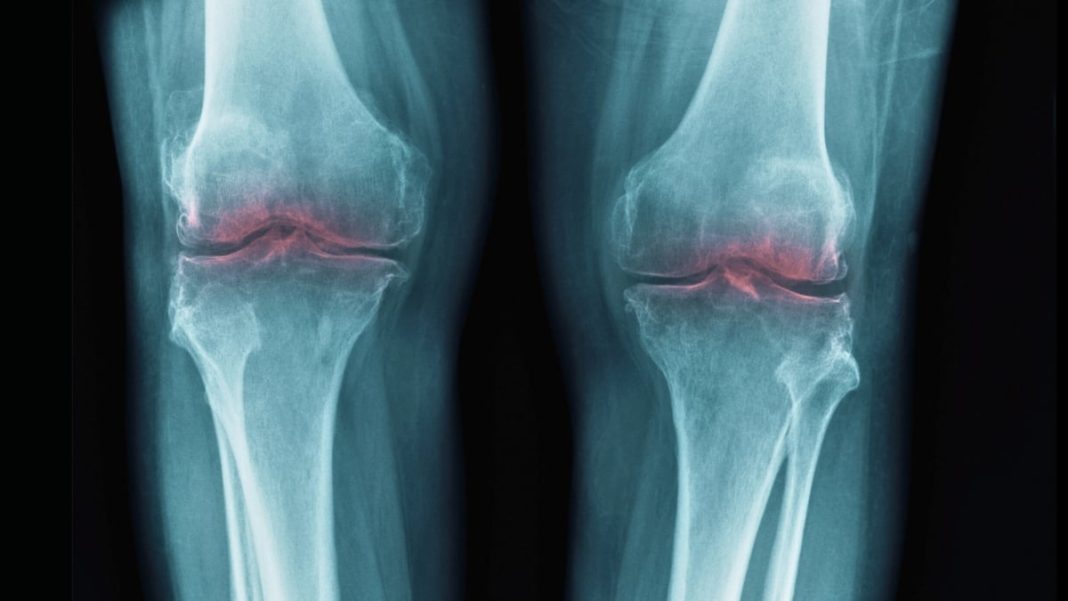
The persistent ache. The stiffness that makes every morning a challenge. The slow, insidious grind of cartilage wearing away, turning simple movements into a painful ordeal. For millions worldwide, this is the reality of osteoarthritis (OA), a condition that silently erodes quality of life, often forcing individuals to scale back activities they once loved. For too long, treatments have focused on managing symptoms or, at best, replacing severely damaged joints with artificial ones. But what if we told you a true game-changer is on the horizon? A breakthrough that promises not just relief, but actual restoration of aging, damaged joints, offering a profound sense of hope where once there was only resignation.
The Wear and Tear: Understanding Osteoarthritis’s Impact
Osteoarthritis isn’t merely a condition of aging; it’s a degenerative joint disease where the protective cartilage that cushions the ends of your bones gradually wears down. This leads to bone-on-bone friction, causing pain, swelling, and reduced mobility. Imagine the tires on your car slowly eroding until the metal rims scrape the road – that’s a crude but effective analogy for the daily agony OA sufferers endure. Current interventions, while valuable, often feel like temporary fixes. Painkillers, anti-inflammatory drugs, physical therapy, and even corticosteroid injections offer symptomatic relief. Joint replacement surgery, while transformative for many, is an invasive procedure with a finite lifespan, typically reserved for the most severe cases. The fundamental problem, the degenerating cartilage, has remained largely beyond our direct ability to repair or regenerate effectively. Until now.
A New Dawn: Regenerative Medicine Steps Up
Imagine a future where your body’s own healing mechanisms are harnessed, guided, or even enhanced to rebuild what was lost. This is the promise of a groundbreaking approach emerging from the cutting edge of regenerative medicine. Scientists are exploring novel techniques that go beyond simply masking pain or replacing parts. The focus is shifting to biological restoration – encouraging the body to regrow healthy cartilage, repair underlying bone structures, and restore the joint’s natural function. This isn’t just about slowing down degeneration; it’s about actively reversing it, prompting the cells within the joint to regenerate and repair themselves.
From advanced stem cell therapies that deliver potent regenerative signals to bio-engineered scaffolds that provide a framework for new tissue growth, and even targeted gene therapies designed to kickstart cellular repair processes, the toolbox of future OA treatment is expanding dramatically. The implications are staggering. As Dr. Anya Sharma, a specialist in bio-orthopedic research, recently put it, “We’re moving beyond merely managing symptoms; the goal is true biological restoration. This isn’t science fiction; it’s the meticulous work of understanding and harnessing the body’s innate capacity for repair. The potential to give people back their mobility and freedom is immense.“
Beyond Pain Relief: The Future of Active Living
The vision this breakthrough offers extends far beyond simply being pain-free. It speaks to a future where healthy aging means truly active aging. Imagine grandparents able to play on the floor with their grandchildren without wincing, athletes returning to their passions years longer, or simply the everyday freedom to walk, garden, or dance without the constant specter of joint pain. This isn’t just about extending lifespan; it’s about enhancing healthspan – the years we live independently and vibrantly. The ability to restore, rather than just replace or relieve, promises a paradigm shift in how we approach one of humanity’s most widespread chronic conditions. While much research and clinical trials lie ahead, the scientific foundation is strong, and the momentum is building towards a healthier, more mobile future for us all.
The journey to widespread clinical application will undoubtedly be long and rigorous, but the early signs are undeniably thrilling. For those who have lived with the relentless burden of osteoarthritis, this breakthrough isn’t just a scientific marvel; it’s a beacon of hope for a life regained.

