


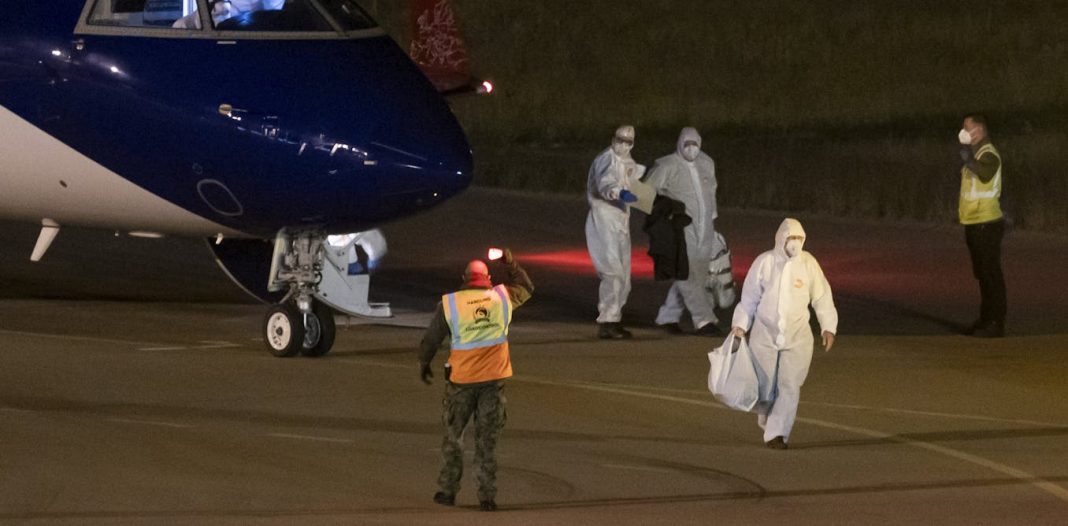
As the world grappled with the devastating impact of COVID-19, a brief, yet potent, alarm bell rang from China in March 2020: reports emerged of a Hantavirus death in Yunnan province. While the subsequent panic was quickly mitigated by scientific understanding of its limited human-to-human transmission, the incident served as an unsettling echo of our collective vulnerability. It was a stark reminder that even as one pandemic raged, another potential threat could be lurking, underscoring the urgent global imperative to fortify our pandemic preparedness strategies.
The Hantavirus Scare: A Familiar Echo
Hantavirus, primarily spread by rodents, is not new. It encompasses several strains, some causing Hantavirus Pulmonary Syndrome (HPS) and others Hemorrhagic Fever with Renal Syndrome (HFRS). The virus itself isn’t novel, but the timing of its reported fatality — amidst the nascent global understanding of COVID-19’s severity — amplified public anxiety. Unlike the highly contagious SARS-CoV-2, most Hantavirus strains are not known to transmit easily between humans. Infection typically occurs through contact with rodent urine, droppings, or saliva, or by inhaling aerosolized particles from these sources. Symptoms can range from fever and muscle aches to severe respiratory distress or kidney failure, making it a potentially fatal disease.
The swift global reaction to the Hantavirus news, despite its non-pandemic potential, highlighted a crucial psychological shift. The world, reeling from one zoonotic spillover event, was on edge, acutely aware that the next novel pathogen could emerge from anywhere, anytime. This episode, though quickly de-escalated by scientific clarity, provided a valuable opportunity for introspection into the fragility of our health systems and the speed at which misinformation can travel, further complicating crisis management.
India’s Vulnerability and the Global Preparedness Gap
For a nation like India, with its dense population, diverse ecosystems, and extensive human-animal interface, the lessons from Hantavirus and COVID-19 are particularly pertinent. India faces constant threats from zoonotic diseases, alongside existing endemic challenges like dengue, malaria, and tuberculosis. Our public health infrastructure, though significantly strengthened in recent years, continues to face immense pressure, as evidenced by the intense second wave of COVID-19.
The Hantavirus scare, therefore, was a mirror reflecting the broader global preparedness gap. It underscored the need for robust surveillance systems, not just for known pathogens but also for emerging threats. Rapid diagnostic capabilities, contact tracing mechanisms, and a resilient healthcare workforce are paramount. Perhaps most critically, it highlighted the importance of a ‘One Health’ approach – recognizing that human health is intrinsically linked to animal health and environmental health. Preventing zoonotic spillover requires addressing issues like deforestation, wildlife trade, and agricultural practices that bring humans into closer contact with potential disease vectors.
“The Hantavirus incident, following on the heels of COVID-19, underscores a critical truth: our health is inextricably linked to animal health and environmental health. A reactive approach is no longer sustainable; we need robust ‘One Health’ strategies and consistent investment in public health infrastructure,” stated Dr. Priya Sharma, a leading epidemiologist based in Bengaluru. This sentiment resonates deeply, urging India and the world to move beyond symptomatic treatment to foundational prevention.
Building Resilience: A Proactive Approach
Improving pandemic preparedness is not merely about stockpiling vaccines or PPE; it’s about building a multi-layered, proactive defense system. This includes strengthening primary healthcare at the grassroots level, investing heavily in public health research and development, fostering international collaboration for rapid information sharing and vaccine equity, and developing agile supply chains for medical necessities. Public awareness campaigns, emphasizing hygiene and safe interactions with wildlife, also play a crucial role in mitigating risk.
For India, this means leveraging its scientific prowess to develop indigenous diagnostic tools and vaccines, enhancing disease surveillance in rural and tribal areas where zoonotic spillover is more likely, and creating integrated data platforms that allow for real-time monitoring and response. The goal must be to detect, understand, and contain outbreaks before they escalate into global crises. The Hantavirus warning, though fleeting, emphasized that the time to prepare is always now, not when the next pathogen is already at our doorstep.
The Hantavirus incident, while fortunately not escalating into another pandemic, served as a potent and timely reminder. It demonstrated our collective fragility and the persistent threat of emerging pathogens. The world, particularly nations like India with vast populations and diverse ecological interfaces, must view this as a clear call to action. Building true pandemic preparedness requires sustained investment, global cooperation, and a fundamental shift towards proactive, preventative health strategies. Only then can we hope to mitigate the impact of the inevitable next warning.

