


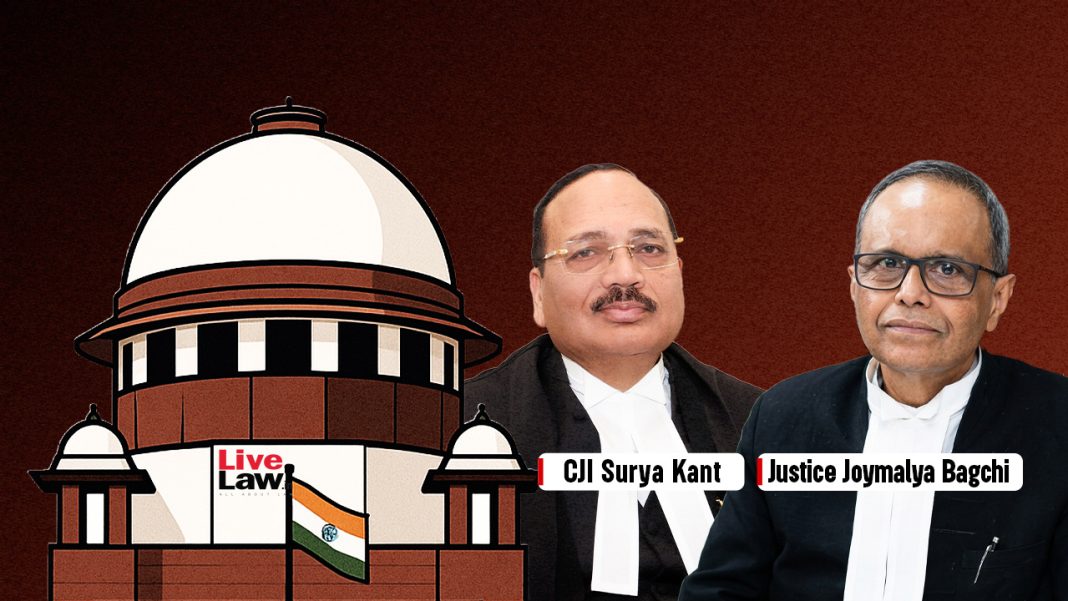
The wheels of justice in India often turn slowly, a reality particularly stark for countless undertrials awaiting bail. Recognising the profound impact of delayed bail adjudications on individual liberty and the overburdened justice system, the Supreme Court of India recently stepped in with a set of crucial suggestions to High Courts. These directives aim to streamline the process, ensuring faster and more equitable disposal of bail pleas across the country, a move keenly observed by legal fraternity and citizens alike.
The Growing Challenge of Delayed Bail
India’s correctional facilities grapple with severe overcrowding, a persistent issue largely exacerbated by the alarming number of undertrial prisoners. Statistics consistently reveal that a significant majority of those incarcerated are yet to be proven guilty, languishing in jails for extended periods, often merely awaiting the resolution of their bail applications. This not only infringes upon the fundamental right to personal liberty enshrined in Article 21 of the Constitution but also strains state resources and perpetuates a cycle of deprivation for individuals and their families. The sheer volume of cases, coupled with procedural delays and judicial vacancies, has created a bottleneck, turning the pursuit of temporary freedom into a prolonged struggle. The Supreme Court’s intervention underscores the urgency of addressing this systemic issue, which affects the very core of a fair criminal justice system.
Apex Court’s Directives for Expedited Processes
A bench of the Supreme Court, acknowledging the critical need for reform, meticulously outlined several practical suggestions for High Courts to adopt. These recommendations are designed to infuse efficiency and uniformity into the bail adjudication process. Among the key directives is the suggestion for High Courts to issue specific guidelines to subordinate courts for timely disposal of bail applications, possibly even setting clear timelines. The Apex Court emphasised the need for judges to rigorously apply the principles of bail, particularly distinguishing between cases requiring custodial interrogation and those where liberty should not be unduly curtailed. Furthermore, the use of technology, such as video conferencing for remand and bail hearings, was encouraged, especially in remote areas or during exigencies. The suggestions also included categorising bail pleas based on the severity of the offence and the period of incarceration already served, prioritising older cases, and ensuring that similar matters are heard by the same bench to maintain consistency. These measures reflect a holistic approach, aiming to address both the procedural and practical hurdles that often delay justice.
Highlighting the gravity of the situation and the constitutional mandate, the Supreme Court remarked, “The constitutional guarantee of personal liberty is not a mere platitude; it is the bedrock of a civilised society. Courts must remain vigilant against any unwarranted incarceration, understanding that justice delayed is not merely justice denied, but often, liberty extinguished.” This powerful observation serves as a guiding principle for all judicial bodies tasked with the responsibility of safeguarding individual freedoms.
Ensuring Liberty: The Path Ahead for High Courts
The Supreme Court’s suggestions represent a significant step towards reforming India’s criminal justice system, particularly concerning bail jurisprudence. However, the true impact of these directives hinges on their diligent implementation by High Courts and, subsequently, by lower courts across the nation. High Courts are now tasked with the crucial responsibility of translating these suggestions into actionable guidelines, adapting them to their specific regional contexts while maintaining the spirit of the Supreme Court’s intent. This includes regular monitoring of bail disposal rates, identifying bottlenecks, and perhaps even establishing dedicated benches or fast-track mechanisms for older bail applications. The effective utilisation of technology, judicial training, and a renewed emphasis on upholding personal liberty will be paramount. Should these suggestions be implemented with the seriousness they demand, India could witness a substantial reduction in its undertrial population, a decongestion of prisons, and a more responsive, humane, and efficient justice delivery system that truly upholds the rights of its citizens.
The Supreme Court’s proactive stance is a clarion call for a paradigm shift in how bail pleas are handled. It underscores the judiciary’s commitment to protecting fundamental rights and ensuring that the procedural aspects of law do not become an insurmountable barrier to justice. The coming months will be crucial in observing how High Courts embrace and operationalise these vital recommendations, ultimately shaping the landscape of criminal justice in India.

