


A recent wave of geopolitical pronouncements emanating from Tehran has once again captured global attention, underscoring the Islamic Republic’s complex dual strategy of projecting military strength while navigating the intricate channels of international diplomacy. At the heart of these statements are unverified claims of a significant military achievement and a cautious outlook on ongoing negotiations, creating a dynamic that bears close scrutiny for international observers, particularly nations like India with deep strategic interests in the stability of the Middle East.
The Unverified F-35 Claim: A Symbolic Victory?
Recent reports from Iran have featured audacious claims by senior military officials regarding an alleged incident involving a highly advanced stealth fighter. While specific details remain scarce and independent verification is absent, the essence of the declaration revolves around the assertion that Iran has successfully engaged and potentially “shot down” an F-35 Lightning II aircraft. An unnamed Iranian military official was quoted stating, “Shooting down an F-35 is not a small event,” implying a significant escalation in capability and a direct challenge to the aerial dominance of powers like the United States and its allies.
The F-35, a fifth-generation multirole combat aircraft, represents the pinnacle of modern aviation technology, boasting stealth capabilities, advanced sensor fusion, and networked operations. Its perceived invulnerability makes any claim of its downing a powerful symbolic gesture, regardless of its veracity. For Iran, such a claim, even if unsubstantiated, serves multiple strategic purposes. Domestically, it can galvanize nationalistic sentiment and project an image of military prowess in the face of persistent external pressures and sanctions. Regionally, it aims to deter potential adversaries, particularly Israel and the United States, by suggesting an enhanced defensive capacity that could complicate any future military operations in Iranian airspace or close proximity.
Internationally, however, the claim has been met with significant skepticism. US military officials have routinely dismissed such allegations as Iranian propaganda, stating that no F-35 has been lost to Iranian action. For nations like India, which closely monitor regional military developments and procure advanced defence systems, these claims highlight the ongoing information warfare and the challenges of discerning fact from strategically crafted narratives in a highly volatile region. While the immediate military implications of such an unverified event are negligible, its psychological and political ramifications in the Middle East cannot be entirely discounted.
Ghalibaf on Negotiations: Managing Expectations Amidst Assertions
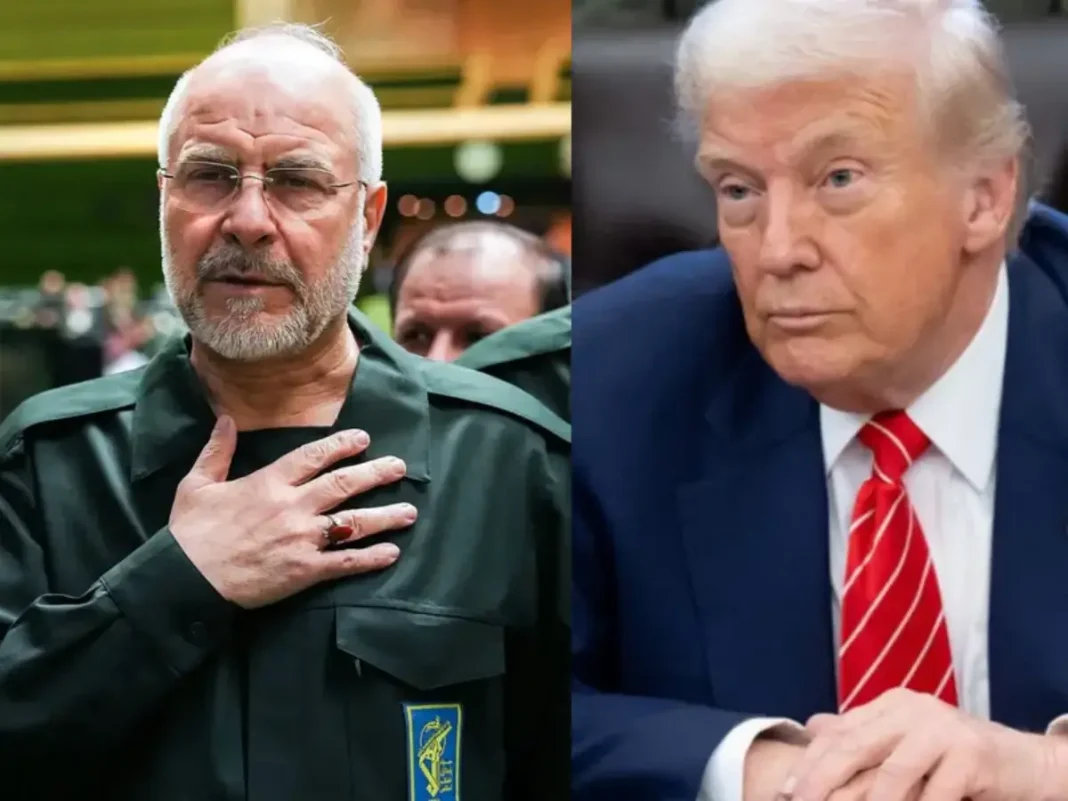
Concurrently with these military assertions, Iran’s political leadership continues to engage in high-stakes diplomatic maneuvering. Mohammad Bagher Ghalibaf, the influential Speaker of the Iranian Parliament, recently offered a pragmatic assessment of ongoing international talks concerning Iran’s nuclear program and broader regional security. His statement poured cold water on any premature optimism, asserting that negotiations are “far from a final agreement.” This declaration reflects a continued cautious approach from Tehran, indicating that despite periodic dialogues and various proposals, significant gaps remain between Iran and the P5+1 nations (China, France, Russia, the United Kingdom, the United States, plus Germany).
Ghalibaf’s comments serve as a strategic signal, both to the international community and domestic audiences. They aim to manage expectations, preventing any perception of weakness or desperation for a deal while simultaneously reinforcing Iran’s resolve. This dual messaging – projecting military strength through unverified claims and tempering diplomatic hopes – suggests a calculated strategy to enhance Iran’s leverage at the negotiating table. Tehran appears keen to convey that it is not negotiating from a position of weakness and that any eventual agreement must comprehensively address its security concerns and economic interests, including the lifting of crippling sanctions.
The negotiations often revolve around the revival of the Joint Comprehensive Plan of Action (JCPOA), the 2015 nuclear deal from which the US unilaterally withdrew in 2018. However, broader regional issues, including Iran’s missile program and its influence in countries like Syria, Yemen, and Lebanon, frequently complicate these discussions. Ghalibaf’s realistic outlook underscores the deep-seated mistrust and divergent objectives that continue to plague efforts to achieve a lasting and comprehensive resolution.
India’s Stake in a Volatile Region
For India, a nation with historical ties and substantial contemporary interests in the Middle East, these developments demand careful scrutiny. India maintains a delicate diplomatic balance, engaging with both Iran and its regional rivals, as well as global powers like the US. New Delhi’s concerns span energy security, given its historical reliance on Gulf oil, even as it diversifies its sources. More critically, the strategic Chabahar Port in Iran, a crucial Indian-backed initiative, serves as a vital gateway for trade with Afghanistan and Central Asia, bypassing Pakistan. Long-term stability in the region is paramount for the port’s viability and India’s broader connectivity ambitions.
Furthermore, the safety and well-being of the large Indian diaspora in the Gulf region remain a top priority. Any escalation of conflict, whether military or economic, could have severe repercussions, impacting remittances and potentially necessitating complex evacuation operations. India’s foreign policy traditionally advocates for dialogue and de-escalation, urging all parties to resolve differences through peaceful means. The current Iranian posture, combining assertive military claims with cautious diplomatic statements, adds layers of complexity to an already volatile geopolitical landscape, demanding India’s continuous, nuanced engagement to safeguard its multifaceted interests.
In conclusion, Iran’s recent pronouncements paint a picture of a nation simultaneously flexing its military muscle, however controversially, and tempering expectations on the diplomatic front. The unverified F-35 claim serves as a potent, if unsubstantiated, symbol of resistance, while Ghalibaf’s statements reflect the arduous reality of international negotiations. For India and the wider world, this dual narrative from Tehran underscores the persistent geopolitical tensions in the Middle East, necessitating vigilance and a continued push for stability amidst conflicting claims and complex diplomatic hurdles.

