


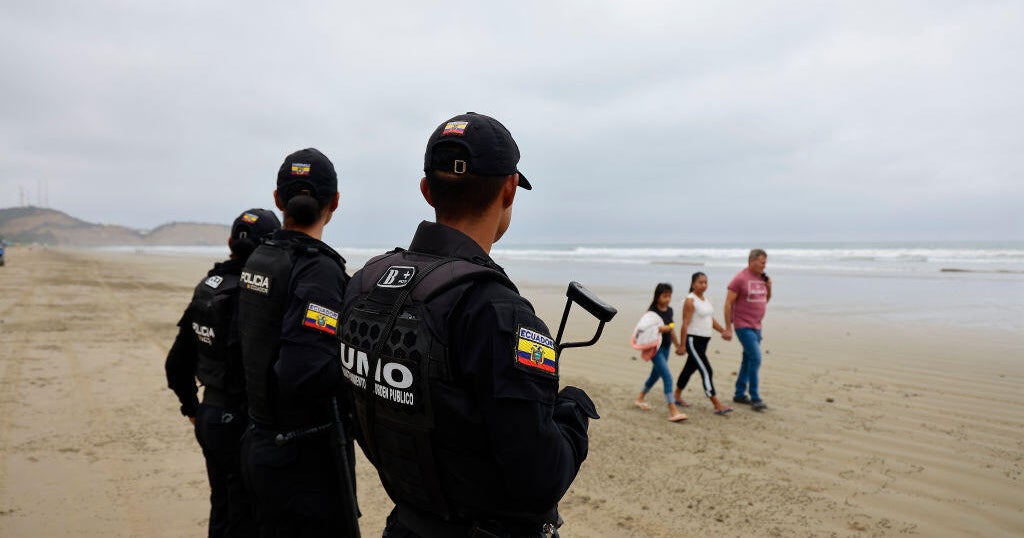
The gentle lapping of waves, the cries of seabirds, the warm embrace of the sun—these are the sensations usually associated with Ecuador’s stunning Pacific coastline. But recently, a chilling tableau shattered that idyllic image, transforming a vibrant tourist beach into a stage for unspeakable horror. Severed human heads, reportedly accompanied by a warning message, were discovered, leaving a nation reeling and sending a stark, terrifying message to rival gangs.
This wasn’t merely an act of brutality; it was a meticulously calculated display designed to maximize terror and project an undeniable assertion of power. The choice of a public, tourist-frequented beach was no accident. It was a deliberate, audacious challenge, a horrifying billboard erected by those who seek to dominate through fear. The implicit message is clear: nowhere is safe, no authority is respected, and their reach is absolute. For a country that has long prided itself on its natural beauty and relative tranquility, this incident marks a harrowing plunge into a darker reality.
The Anatomy of a Warning
The act itself is a grotesque form of communication, a primal scream of dominance in the escalating war between criminal organizations. Placing human remains in such a visible, public location is a tactic meant to achieve several goals simultaneously. First, it serves as an unequivocal warning to opposing factions, demonstrating the perpetrators’ ruthlessness and capacity for extreme violence. It’s a gruesome promise of what awaits those who cross them or challenge their territories. Second, it’s a profound act of intimidation directed at the wider populace, designed to instill fear and discourage any cooperation with authorities. The casual discovery of such horrors by ordinary citizens—families enjoying a day out, tourists seeking relaxation—is a traumatic event that embeds terror deep within the collective psyche.
The psychological impact extends beyond the immediate shock. It corrodes trust, erodes the sense of safety, and forces communities to live under a shadow of fear. “We used to feel safe here, proud of our beautiful coasts,” one local resident, shaken by the incident, reportedly commented. “Now, fear is a tide that washes over everything, and you wonder what horror will surface next.” This sentiment encapsulates the profound shift occurring in regions once considered havens of peace.
Ecuador’s Shifting Landscape of Fear
For years, Ecuador largely avoided the extreme levels of cartel violence that plagued some of its South American neighbors. However, that relative peace has rapidly eroded. The country’s strategic location, wedged between major cocaine producers Colombia and Peru, has made it an increasingly vital transit point for drug trafficking. This lucrative trade has attracted powerful transnational criminal organizations, turning port cities and coastal regions into battlegrounds for control of drug routes and distribution networks. Prisons, too, have become hotbeds of gang activity, with massacres frequently reported, reflecting the brutal power struggles within their walls.
The recent events on the beach are a chilling manifestation of this escalating conflict. It signals a new, brazen phase where gangs are not merely operating in the shadows but are openly asserting their power, challenging the state, and terrorizing citizens in broad daylight. The warning isn’t just for rival gangs; it’s a message to the government and society itself, a grim declaration of a pervasive, violent presence that demands attention and confronts the very fabric of national security and public order.
The road ahead for Ecuador is fraught with immense challenges. Reclaiming public spaces, restoring a sense of security, and dismantling these powerful criminal networks requires a concerted, multi-faceted approach. The severed heads on the beach are more than just a gruesome discovery; they are a stark, terrifying reminder of a nation grappling with an insidious, encroaching darkness, a warning that demands global recognition and understanding.

