


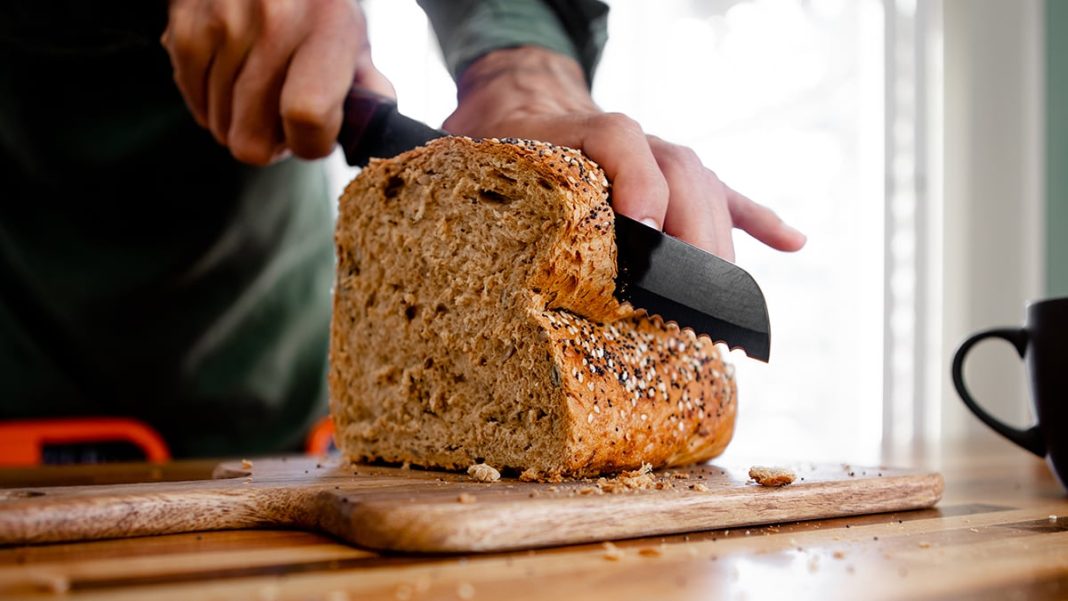
Ah, bread. The comforting, crusty, pillowy staple that has graced our tables for millennia. From the humble sandwich slice to the artisanal sourdough, it’s often the first thing we reach for and the last thing we want to give up. We love it, we crave it, and for many of us, it’s a source of quiet frustration when the scale stubbornly refuses to budge. We meticulously count calories, limit toppings, and yet, bread seems to cling to our waistlines like a persistent shadow. Well, scientists have been digging into this very enigma, and what they’ve uncovered isn’t just about portion sizes or butter. It’s about the silent metabolic dance bread orchestrates inside our bodies, even when we think we’re being moderate.
The Invisible Sugar Spike and Insulin’s Command
For years, the conventional wisdom around bread and weight gain revolved around its calorie density or the delicious spreads we pair it with. And while those factors certainly play a role, recent insights point to something far more fundamental: how bread interacts with our blood sugar and, subsequently, our hormones. When you eat a slice of bread, particularly the refined white varieties but even many whole-grain options, your body rapidly breaks down its carbohydrates into glucose. This causes a swift and often significant spike in your blood sugar levels.
What happens next is crucial. Your pancreas springs into action, releasing a hormone called insulin. Insulin’s primary job is to shuttle that excess sugar out of your bloodstream and into your cells for energy. But insulin is also a powerful storage hormone. When there’s more sugar than your cells immediately need, insulin signals your body to convert that glucose into fat and store it. So, even if you’re not overeating by traditional calorie counts, that rapid blood sugar surge followed by an insulin rush can prime your body for fat storage, making it harder to burn existing fat.
“It’s not just about the calories in the bread itself,” explained Dr. Anya Sharma, a nutritionist specializing in metabolic health. “It’s the metabolic ripple effect. That rapid sugar influx and subsequent insulin spike often nudge our bodies into a fat-storage mode, even if the overall caloric intake for that meal seems reasonable.” This explains why a seemingly innocent piece of toast can contribute to a cycle that makes weight loss feel like an uphill battle.
The Satiety Shortfall and the Hunger Rebound
Beyond the immediate insulin response, bread’s impact on our satiety—how full and satisfied we feel—is another key player in the weight gain puzzle. While a warm slice might feel comforting in the moment, many types of bread, especially those low in fiber and protein, don’t provide lasting fullness. This is partly due to that initial blood sugar spike.
After the rapid rise, there often comes a quick crash. As insulin clears the sugar from your blood, your levels can dip below their baseline, triggering a rebound hunger response. You might find yourself feeling hungry again surprisingly soon after eating bread, even if you just had a meal. This isn’t a sign of lack of willpower; it’s a physiological response. This rapid hunger can lead to reaching for more food, more often, unknowingly increasing your overall caloric intake throughout the day without ever truly feeling satisfied.
The lack of sustained satiety from bread can lead to a sneaky overconsumption pattern. We eat bread, feel a temporary comfort, but then quickly feel a nagging emptiness, prompting us to snack or eat larger portions at our next meal. This cycle of quick satisfaction followed by rapid hunger can quietly contribute pounds over time, making you feel perpetually caught in a loop of trying to eat “enough” but never quite feeling truly nourished or full.
Mindful Bites, Lasting Results
Understanding these intricate metabolic responses isn’t about villainizing bread. It’s about empowering ourselves with knowledge. It reveals that the path to a healthier weight isn’t always about rigid calorie counting, but about understanding how different foods interact with our unique physiology. For bread lovers, this insight offers an opportunity to make more informed choices. Perhaps it’s opting for varieties higher in fiber and protein, pairing it with healthy fats or lean proteins to slow down digestion, or simply being more mindful of those invisible blood sugar surges. The science suggests that a little understanding can go a long way in transforming our relationship with our beloved bread, and ultimately, with our bodies.
It turns out, the “why” behind bread’s pound-adding power is less about quantity alone and more about the quality of its journey through our systems. And that, dear reader, is a game-changer.

