


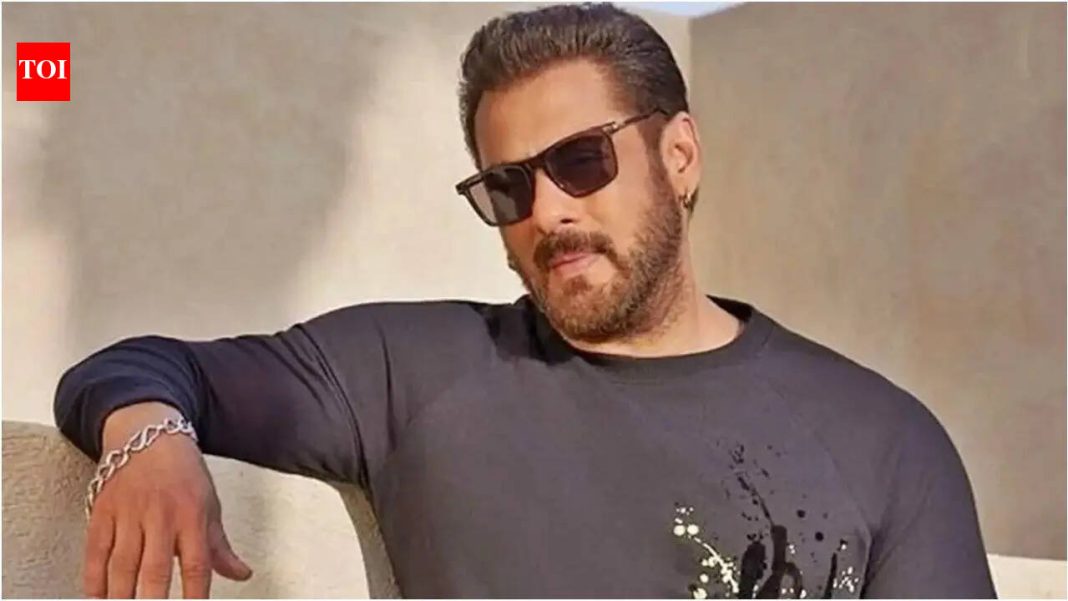
In a move that has sent ripples through Bollywood and legal circles, superstar Salman Khan’s legal team has initiated proceedings against a newly announced film titled Kala Hiran. The legal offensive seeks a permanent injunction against the film’s release, distribution, and promotion, asserting that the project directly infringes upon Khan’s personality rights and is defamatory, drawing an undeniable parallel to his long-standing blackbuck poaching case. The development underscores the intricate balance between artistic freedom and an individual’s right to reputation, especially when public figures are involved in narratives that mirror their personal controversies.
The Legal Challenge Against ‘Kala Hiran’
According to sources close to Khan’s legal representatives, the lawsuit was filed in a Mumbai civil court, seeking to halt the production and exhibition of Kala Hiran. The title itself, which translates to ‘Blackbuck’, is at the heart of the dispute, immediately evoking the infamous incident involving Khan. The legal notice reportedly alleges that the film, even in its conceptual stage, appears to exploit and fictionalize a sensitive and ongoing legal matter concerning the actor. Khan’s legal team argues that any such portrayal could prejudicially influence public perception and potential legal outcomes, besides causing irreparable damage to his personal and professional standing.
The core of the argument rests on several points:
- Defamation: The legal team contends that the film’s premise, given its title and presumed subject matter, is inherently defamatory and aims to present Khan in a negative light regarding an incident for which he has faced significant legal scrutiny.
- Personality Rights: It is argued that the film infringes upon Khan’s personality rights, including the right to privacy and the right to control the commercial use of his identity. Using his life story, even with fictionalized elements, without consent is deemed illegal.
- Prejudicing Ongoing Legal Matters: The blackbuck poaching case has seen various twists and turns over decades. Khan’s lawyers assert that a film on the subject could potentially prejudice future judicial proceedings or appeals.
The makers of Kala Hiran, reportedly an independent production house, have yet to issue an official statement regarding the lawsuit. This legal action highlights a growing trend in the Indian entertainment industry where celebrities are increasingly vigilant about unauthorized depictions of their lives and controversies.
Echoes of the Past: The Blackbuck Controversy
The controversy surrounding Salman Khan and the blackbuck dates back to October 1998, during the filming of the movie Hum Saath-Saath Hain in Rajasthan. Khan was accused of poaching two blackbucks, an endangered species, in the Kankani village near Jodhpur. What followed was a protracted legal battle spanning over two decades, involving multiple court appearances, convictions, acquittals, and appeals.
Over the years, Khan has been convicted in some related cases and acquitted in others. The legal labyrinth has been a constant shadow over his illustrious career, often resurfacing in public discourse. The sensitivity of the issue stems not only from its legal complexities but also from its cultural and ethical dimensions, particularly concerning wildlife protection. For Khan’s legal team, any creative work that directly references this chapter without his consent is an unwelcome and potentially harmful intrusion.
The timing of the film’s announcement and the subsequent legal challenge underscores the lingering impact of the incident on Khan’s public image and personal life. While the film industry often draws inspiration from real-life events, the direct naming and obvious thematic connection in Kala Hiran have evidently crossed a line for the actor’s legal advisors.
Artistic Freedom vs. Personal Reputation
This case reignites the perennial debate in India concerning freedom of artistic expression versus an individual’s right to protect their reputation and privacy. Article 19(1)(a) of the Indian Constitution guarantees freedom of speech and expression, but this right is not absolute and is subject to reasonable restrictions, including those related to defamation and public order.
Filmmakers often argue for their right to interpret and depict real-life events and figures as part of creative storytelling. However, when these depictions delve into ongoing or sensitive legal matters concerning living individuals, especially prominent ones, the lines blur. The legal system is often tasked with balancing these competing rights.
Speaking on the broader implications, Advocate Meera Sharma, a prominent legal expert specializing in media law, commented, “Cases like these underscore the complexities of defamation and personality rights in the age of content creation. While artistic freedom is paramount, it cannot be a license to defame or infringe upon an individual’s privacy, especially when the subject matter is an active legal issue. The courts often have to weigh the public interest in dissemination against the individual’s right to a fair trial and untarnished reputation.”
The outcome of this lawsuit will likely set a significant precedent for how biographical or semi-biographical films are approached in India, particularly when they touch upon controversies involving public figures. It will be keenly watched by filmmakers, legal professionals, and celebrities alike.
The legal battle surrounding Kala Hiran is poised to be a complex and closely watched affair. For Salman Khan, it’s an effort to control the narrative surrounding a deeply personal and legally fraught chapter of his life. For the makers of Kala Hiran, it’s a test of artistic freedom and their right to tell a story. As the legal proceedings unfold, the entertainment industry will undoubtedly be assessing the implications of this high-profile clash for the future of biographical and controversial storytelling in India.
*

