


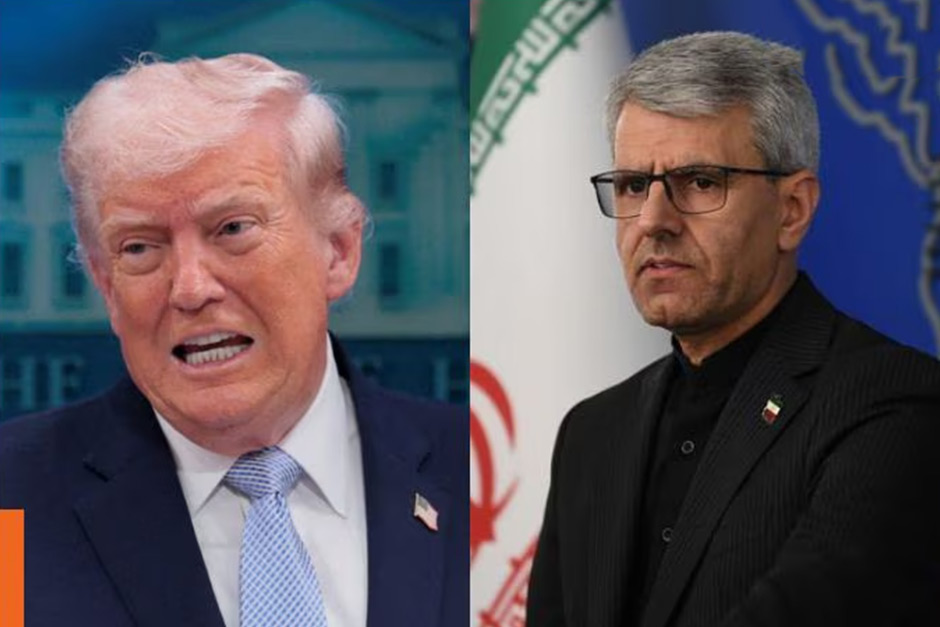
The geopolitical chessboard is rarely static, and the intricate dance around Iran’s nuclear program continues to be a focal point of international concern. In a significant reaffirmation of its position, Iran has once again pushed back against claims made by former U.S. President Donald Trump regarding its enriched uranium stockpiles. The firm declaration that its enriched uranium “is not going to be transferred” underscores the ongoing chasm between Tehran and Washington, a dynamic that holds considerable implications for global stability, including for nations like India.
This rejection highlights a long-standing point of contention that predates Trump’s presidency but intensified dramatically during his tenure. At the heart of the matter lies the 2015 Joint Comprehensive Plan of Action (JCPOA), a landmark agreement that sought to curb Iran’s nuclear ambitions in exchange for sanctions relief. Trump’s unilateral withdrawal from the deal in 2018, followed by the re-imposition of crippling sanctions, plunged the region into heightened uncertainty and pushed Iran to gradually scale back its commitments under the accord.
Iran’s Defiant Stance and the JCPOA’s Shadow
The recent assertion from Tehran reiterates a consistent theme: Iran views its nuclear program as solely for peaceful purposes and under international safeguards, despite increasing its enrichment levels beyond the JCPOA limits following the U.S. pullout. This steadfast rejection, articulated by an Iranian Foreign Ministry Spokesperson, directly counters accusations, often voiced by the former U.S. administration, suggesting malfeasance or clandestine transfers of nuclear material.
When questioned about past claims, a senior Iranian Foreign Ministry Spokesperson recently stated, “Our enriched uranium is for our peaceful nuclear program, and it is not going to be transferred.” This statement reflects Iran’s determination to maintain its nuclear capabilities while denying any intent for proliferation. Under the JCPOA, Iran was required to limit its enriched uranium stockpile and enrichment purity. Following the U.S. withdrawal, Iran incrementally reduced its compliance, citing the failure of other signatories to uphold their end of the deal, particularly regarding economic benefits. This has led to a gradual increase in both the quantity and purity of its enriched uranium, raising alarm bells in Western capitals and among monitoring bodies like the International Atomic Energy Agency (IAEA).
The ongoing stalemate presents a complex challenge for the international community. While Iran maintains that its actions are reversible if sanctions are lifted and the deal is reinstated, the trust deficit between Tehran and Washington remains profound. The implications extend beyond the immediate region, impacting energy markets, maritime security, and diplomatic efforts globally.
Geopolitical Ripples and India’s Strategic Balancing Act
For India, the unfolding situation in the Middle East and the trajectory of Iran’s nuclear program are of paramount importance. India has historically maintained robust ties with Iran, rooted in shared cultural heritage, energy security needs, and strategic connectivity projects. The volatility stemming from U.S.-Iran tensions poses a significant challenge to India’s foreign policy, which prioritizes regional stability and strategic autonomy.
India is a major energy consumer, and disruptions in oil and gas supplies from the Middle East directly impact its economic stability. Iran, a traditional energy supplier, has seen its crude exports severely curtailed by U.S. sanctions, forcing India to diversify its sources. Furthermore, the Chabahar Port in Iran is a cornerstone of India’s vision for connectivity to Afghanistan and Central Asia, bypassing Pakistan. The port’s development has faced hurdles due to the fear of secondary U.S. sanctions, even though waivers have been granted in the past for humanitarian and developmental purposes.
New Delhi’s approach has consistently advocated for diplomatic resolution and de-escalation of tensions. India believes that dialogue, rather than confrontation, is the most viable path to ensure the stability of the region and uphold the principles of international law. The ongoing rhetoric and counter-rhetoric between Tehran and Washington complicate this delicate balancing act, requiring India to navigate its relationships with both powers carefully while safeguarding its national interests.
The Path Forward: Diplomacy Amidst Distrust
The current Iranian rejection of claims regarding enriched uranium transfer serves as a stark reminder of the deep-seated mistrust that continues to plague U.S.-Iran relations. With calls for a renewed diplomatic engagement often meeting political hurdles on both sides, the future of the JCPOA and Iran’s nuclear program remains uncertain. International bodies, particularly the IAEA, continue their monitoring efforts, albeit with limitations and challenges imposed by the escalating tensions.
The international community largely hopes for a return to a diplomatic framework that prevents nuclear proliferation while addressing Iran’s legitimate security concerns. However, bridging the gap between Iran’s demand for sanctions relief and the U.S.’s insistence on a broader deal addressing ballistic missiles and regional influence proves to be an arduous task. For countries like India, the stakes remain high. A stable, peaceful, and nuclear non-proliferation-compliant Iran is crucial for regional security and India’s broader strategic objectives. The statements from Tehran, therefore, are not just a reiteration of a stance but a reflection of the continuing deadlock that demands urgent, thoughtful, and multilateral diplomatic engagement to avert further escalation.

