


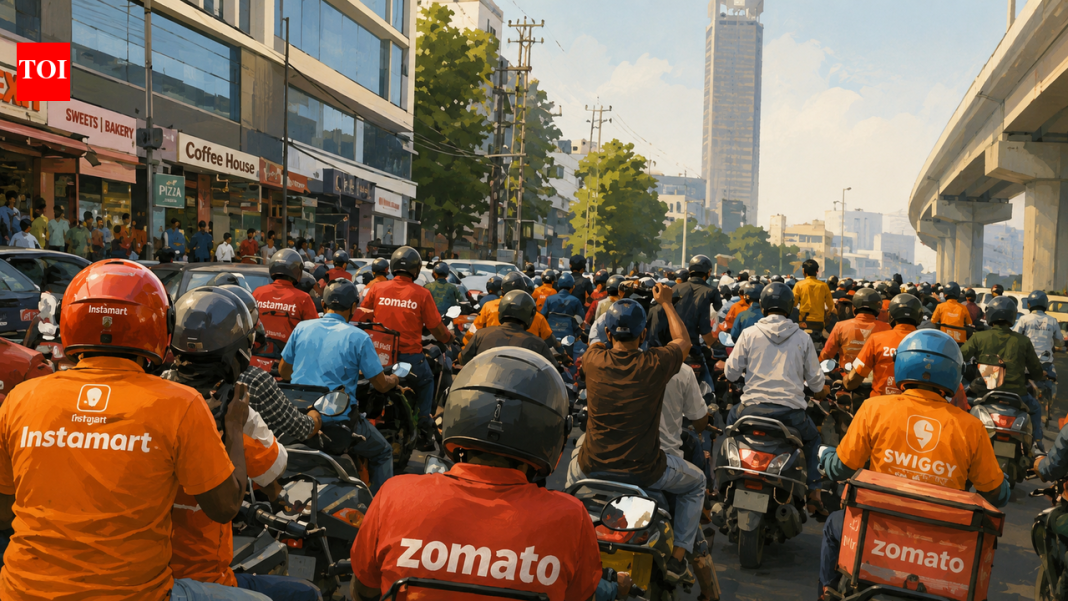
Recent weeks have seen a relentless upward trend in petrol and diesel prices across India, pushing essential commodities and daily commutes into the spotlight of public discourse. While the general public grapples with increased expenses, one segment of the workforce faces a particularly acute challenge: the app-based gig workers. From ride-hailing drivers to food and grocery delivery partners, these individuals form the backbone of India’s burgeoning digital economy. Now, pushed to their financial limits, various associations representing these workers have collectively called for a nationwide strike, demanding urgent intervention. TrendLyric.com delves into the heart of this brewing crisis, exploring the grievances, demands, and potential ramifications of this significant industrial action.
The Gig Economy’s Fuel Dilemma
India’s gig economy, a vibrant ecosystem of flexible work arrangements, has boomed over the past decade, creating millions of livelihoods. However, the seemingly flexible nature of this work often masks deep-seated vulnerabilities. For app-based drivers and delivery personnel, their vehicle is their primary tool of trade, and fuel is their most significant recurring expense. With petrol and diesel prices hovering at unprecedented highs, often exceeding ₹100 per litre in many cities, the economics of their profession have been severely disrupted.
Platforms like Ola, Uber, Swiggy, Zomato, and Dunzo operate on a commission-based model, typically taking a significant percentage – often between 20-35% – of the fare or order value. This leaves the worker with the remainder, out of which they must cover fuel, vehicle maintenance, EMIs, and other operational costs. The escalating fuel costs directly erode their net earnings, making it increasingly difficult to sustain a livelihood, let alone save for the future. Unions and associations such as the Indian Federation of App-based Transport Workers (IFAT) and the Gig Workers’ Union (GWU) have been vocal about this unsustainable situation, highlighting how daily take-home pay has dwindled despite working longer hours. The recent price hikes have merely exacerbated an already precarious financial position, pushing many to the brink.
Demands for Fairer Compensation and Sustainable Livelihoods
The call for a nationwide strike is not a sudden outburst but the culmination of prolonged frustration and unaddressed demands. The core objective behind this industrial action is to compel app-based companies and, by extension, the government, to acknowledge the critical impact of fuel prices on gig workers’ earnings and implement compensatory measures.
Among the primary demands are:
- Revision of Commission Rates: Workers are advocating for a reduction in the commission charged by platforms, arguing that the current rates are unsustainable given the operational costs.
- Increase in Base Fares/Per-Kilometre Rates: A significant demand is an upward revision of the base fares for rides and delivery charges per kilometre, which have largely remained stagnant for years, failing to keep pace with inflation and fuel price surges.
- Fuel Price-Linked Compensation: A crucial proposal is the introduction of a dynamic compensation mechanism that automatically adjusts fares or offers a fuel surcharge whenever petrol and diesel prices cross a certain threshold. This would provide a much-needed buffer against market volatility.
“We are working 12-14 hours a day, but after deducting fuel costs and platform commissions, we are barely left with enough to feed our families,” states Ravi Kumar, a ride-hailing driver and spokesperson for a local transport union in Bengaluru. “The companies keep increasing their profits, but our income has been shrinking. We need a fair share, or we simply cannot continue.” This quote succinctly captures the sentiment driving the strike. Beyond direct earnings, there are also calls for better social security provisions, accident insurance, and predictable working conditions, underscoring a broader desire for dignified work within the gig economy.
Potential Disruptions and the Road Ahead
A nationwide strike by app-based gig workers, if widely observed, promises significant disruption across urban centres. Commuters relying on ride-hailing services for daily travel could face severe shortages and surge pricing. Similarly, the convenience of doorstep food and grocery deliveries, a staple for millions, could be severely impacted, affecting not just consumers but also the vast network of restaurants and stores dependent on these delivery services.
The situation presents a complex challenge for the app-based platforms. While they aim to maintain service availability and profitability, ignoring the legitimate concerns of their workforce could lead to prolonged unrest and a damaged public image. The ball is now largely in their court to engage constructively with worker representatives. The government, too, might find itself needing to mediate, given the large number of livelihoods at stake and the potential for public inconvenience. The outcome of this strike will not only determine the immediate future of gig workers but could also set a precedent for how India’s rapidly expanding gig economy addresses the critical balance between innovation, profitability, and worker welfare. As the strike date approaches, all eyes will be on the platforms and policymakers to see if a sustainable and equitable solution can be forged.

