


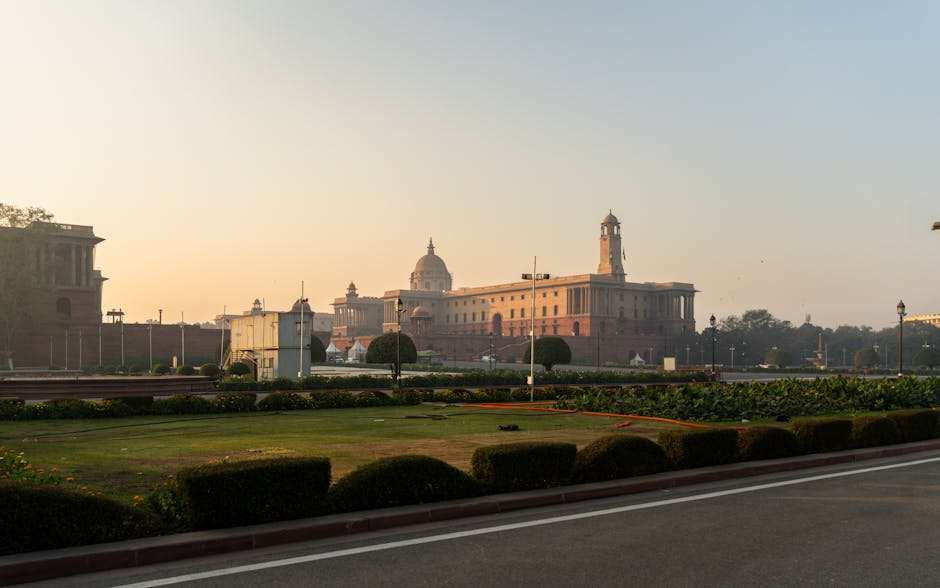
The Indian Parliament is set to embark on a momentous journey today as its highly anticipated Special Session gets underway. Kicking off with a sitting in the historic Old Parliament building, lawmakers will soon transition to the newly inaugurated edifice, marking a symbolic passage from the past to a future brimming with legislative possibilities. The air is thick with anticipation, primarily centered around a proposal that could fundamentally reshape India’s political landscape: the Women’s Reservation Bill, now officially introduced as the Nari Shakti Vandan Adhiniyam.
This session, slated to run for five days, is more than just a routine parliamentary exercise. It represents a critical juncture, bringing to the forefront issues of representation, democratic evolution, and the nation’s commitment to inclusive governance. As the proceedings unfold, TrendLyric.com brings you a closer look at the key agendas, the historical context, and the potential impact of the deliberations.
A Historic Session Begins: The Agenda Unfolds
The Special Session commenced with customary parliamentary proceedings, including discussions on India’s parliamentary journey over the past 75 years. This reflective exercise served as a prelude to the legislative business ahead, symbolizing a bridge between the foundational principles of Indian democracy and its contemporary challenges. The relocation to the new Sansad Bhavan, a modern architectural marvel, is not just a change of venue but a powerful statement about India’s aspirations and evolving stature on the global stage.
While various governmental agendas are on the table, the spotlight has been undeniably seized by the re-introduction of the Women’s Reservation Bill. This move has generated considerable political buzz and public discourse, given its decades-long history of attempts and stalemates. The government’s decision to table this bill in a Special Session underscores its perceived urgency and significance, setting the stage for what could be a defining moment for women’s political empowerment in India.
The Women’s Reservation Bill: A Decades-Old Quest Revived
The concept of reserving seats for women in legislative bodies is not new to India’s political discourse. The Women’s Reservation Bill, proposing 33% reservation for women in the Lok Sabha and State Legislative Assemblies, has been a subject of intense debate and several failed attempts since it was first introduced in 1996. Its revival signifies a renewed political will to address the glaring gender disparity in India’s representative institutions.
The bill, if passed, aims to ensure greater participation of women in decision-making processes, thereby enriching policy formulation with diverse perspectives and experiences. Proponents argue that increased female representation is crucial for a truly equitable and representative democracy, fostering policies that are more sensitive to the needs of half the population. “This legislation is not just about numbers; it’s about empowering half our population and enriching our democratic discourse with diverse perspectives,” a senior government official was quoted as saying, emphasizing the long-term vision behind the bill.
However, a crucial element of the re-introduced bill that has garnered attention is its proposed implementation timeline. The bill stipulates that the reservation will come into effect only after the next census and subsequent delimitation exercise. This conditionality means that the immediate impact of the bill on the upcoming general elections is unlikely, deferring its practical application to a future legislative cycle, potentially post-2029.
Delimitation and Census: The Road Ahead
The link between the Women’s Reservation Bill and the processes of Delimitation and the Census is pivotal to understanding its delayed implementation. Delimitation refers to the act of redrawing boundaries of Lok Sabha and state assembly constituencies to represent changes in population. This exercise is typically undertaken after every decennial census to ensure that each constituency has roughly the same number of voters, maintaining the principle of ‘one person, one vote’.
The current parliamentary constituencies are based on the 2001 census data, and the next delimitation is mandated to occur after the first census following the year 2026. By tying the women’s reservation to this future census and delimitation, the government has essentially set a long-term roadmap for its implementation. Critics argue that this condition introduces an unnecessary delay, while proponents suggest it ensures a more scientifically sound and politically acceptable allocation of reserved seats, preventing potential challenges based on demographic shifts.
The implications of this staggered implementation are significant. While the passage of the bill itself would be a landmark legislative achievement, the delayed enforcement means that the immediate electoral landscape will remain unchanged. It highlights the complex interplay of constitutional provisions, demographic realities, and political considerations in India’s legislative process.
As the Special Session progresses, the discussions surrounding these nuances will be critical. The eventual passage of the Women’s Reservation Bill, even with its future implementation clause, would undoubtedly mark a historic step towards greater gender equality in India’s political arena, demonstrating a profound commitment to inclusive governance and the empowerment of Nari Shakti.
The journey of this bill reflects the perseverance required to bring about significant social and political reforms in a diverse democracy like India. While the immediate impact may be tempered by procedural requirements, the long-term vision it espouses could very well redefine the future of Indian politics for generations to come.

