


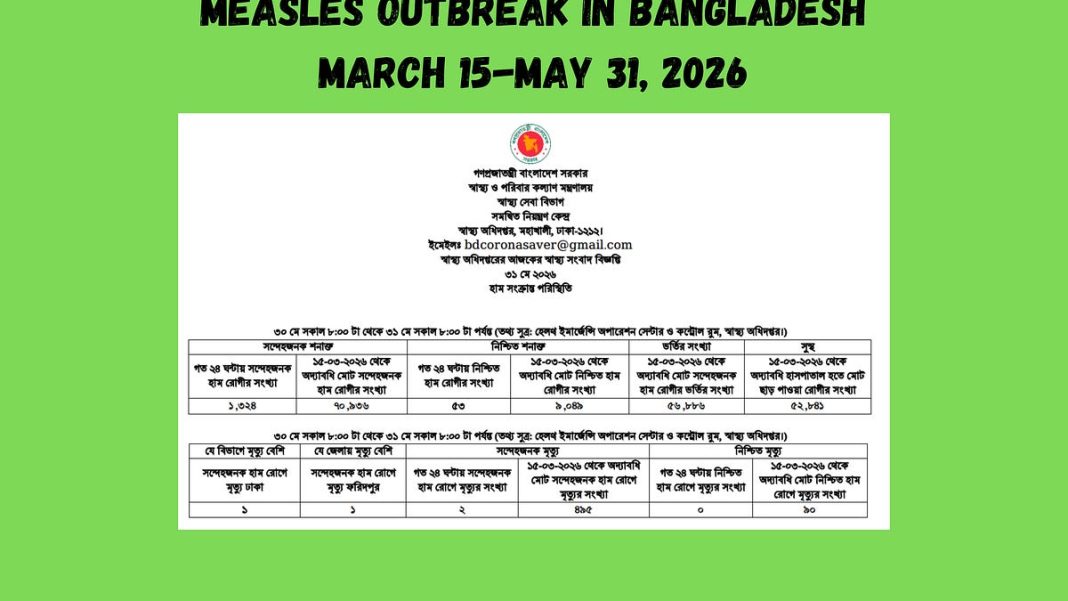
A severe measles outbreak has gripped Bangladesh, with over 70,000 cases reported in a mere 2.5 months. This alarming figure, indicative of a rapidly unfolding public health crisis, underscores significant challenges in India’s eastern neighbour, demanding urgent attention and raising concerns across the South Asian region. Measles, a highly contagious viral disease, is entirely preventable through vaccination, making the scale of this outbreak particularly concerning. For India, given its extensive shared border and ongoing efforts towards disease elimination, the situation in Bangladesh serves as a critical reminder of the interconnectedness of regional health security and the imperative for sustained vigilance.
The Alarming Spread and Vulnerable Populations
The recent surge in measles cases across Bangladesh has reached critical levels, threatening to overwhelm local health infrastructure. Reports indicate that over 70,000 individuals, predominantly children, have contracted the disease between December and mid-February. This rapid transmission is a stark indicator of underlying vulnerabilities within certain communities, particularly in areas with historically low vaccination coverage or disrupted healthcare services.
Children under the age of five are disproportionately affected, facing severe complications such as pneumonia, diarrhoea, blindness, encephalitis, and even death. The densely populated Rohingya refugee camps, which often present unique challenges for robust health interventions, are also particularly susceptible to such outbreaks. Factors such as malnutrition, crowded living conditions, and limited access to comprehensive healthcare services exacerbate the risk and speed of transmission within these communities. Health officials are scrambling to identify unvaccinated populations and initiate emergency immunisation drives to contain the spread, but the sheer volume of cases presents an enormous logistical hurdle.
Regional Implications and India’s Stake
The proximity of Bangladesh to India naturally places this outbreak on India’s public health radar. With a porous border stretching over 4,000 kilometres, the potential for cross-border transmission of infectious diseases is a persistent concern. While India has made significant strides in controlling measles and is actively working towards its elimination, a large-scale outbreak in a neighbouring country poses a formidable challenge to these hard-won gains. India’s Universal Immunization Programme (UIP) has been instrumental in drastically reducing measles incidence within its own borders, but continued vigilance and robust surveillance are paramount.
The movement of people across the border, whether for trade, tourism, or migration, necessitates strong surveillance mechanisms on the Indian side to detect and prevent potential importations of the virus. An unchecked outbreak in one nation can easily undermine the health security of its neighbours, highlighting the critical need for strengthened regional cooperation in disease surveillance, information sharing, and coordinated vaccination strategies. This shared challenge underscores the importance of a unified approach to public health in South Asia.
“The sheer volume of cases in such a short period is a grave concern, not just for Bangladesh but for the entire South Asian region,” commented Dr. Alok Sharma, a public health expert specialising in infectious diseases, reflecting on the situation. “Measles knows no borders, and sustained, coordinated efforts in vaccination and surveillance are essential to protect vulnerable populations everywhere, including in India. Proactive engagement with our neighbours on health security is not merely an act of goodwill, but a necessity for our own national health.”
The Path Forward: Vaccination and Public Health Response
In response to the escalating crisis, Bangladeshi health authorities, supported by international partners like the World Health Organization (WHO) and UNICEF, have launched intensified vaccination campaigns. These efforts aim to reach every eligible child, focusing particularly on high-risk areas and previously unvaccinated populations. However, significant challenges persist, including logistical hurdles in reaching remote and displaced communities, vaccine hesitancy fueled by misinformation, and the immense scale of the population requiring intervention amidst resource constraints.
Strengthening routine immunisation programmes remains the cornerstone of long-term prevention. This involves improving healthcare infrastructure, ensuring a consistent supply of vaccines, and engaging communities to build trust and understanding regarding the importance of vaccination. The current outbreak serves as a stark reminder that even preventable diseases can resurface with devastating consequences if public health vigilance wavers and immunization coverage drops below critical thresholds. International aid and regional collaboration are vital for Bangladesh to overcome the immediate crisis and build more resilient health systems for the future.
The measles outbreak in Bangladesh is a stark reminder of the fragile balance of public health, especially in densely populated regions. While the immediate focus remains on containing the current crisis through emergency vaccination and treatment, the long-term lesson is clear: robust routine immunisation programmes and strong regional health cooperation are indispensable. For India, maintaining its hard-won gains against measles means not only strengthening its own health systems but also actively engaging with neighbours like Bangladesh to foster a resilient and disease-free South Asia. The collective health of the region hinges on such collaborative efforts and a shared commitment to public health security.

