


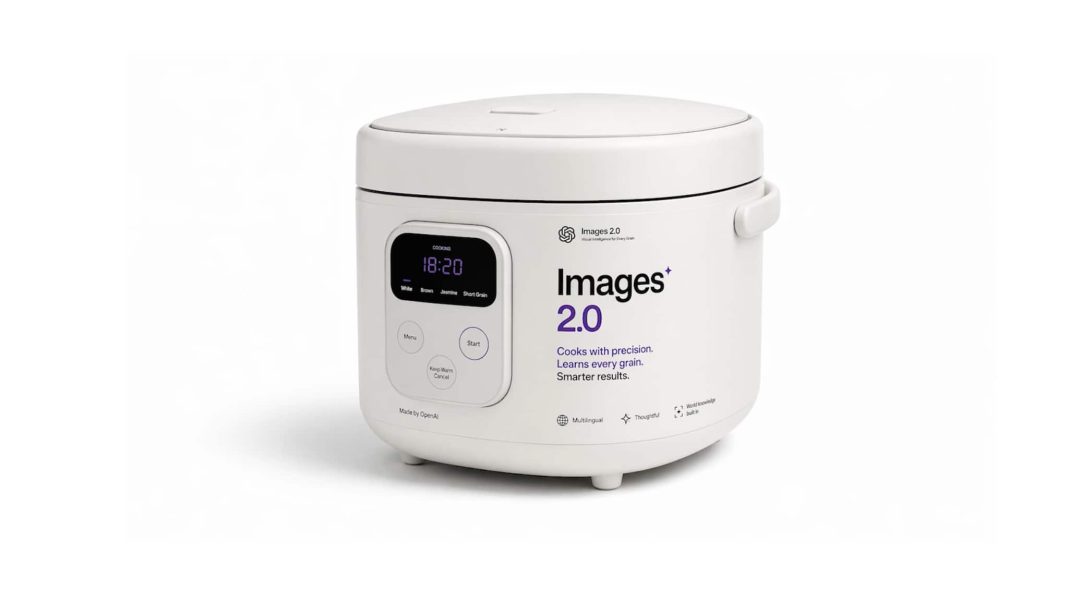
OpenAI’s ChatGPT Image 2.0 has rapidly become a significant tool in the burgeoning landscape of AI-powered creativity, especially in a culturally rich and digitally-forward nation like India. The platform’s ability to transform textual prompts into compelling visual art has unlocked new avenues for expression, capturing the imagination of millions. Recent insights from OpenAI highlight fascinating trends emerging from India, revealing that self-expression, local and global pop culture, and the ever-growing appeal of anime are key drivers shaping the country’s generative AI art scene. These trends underscore a unique fusion of technology with India’s diverse creative spirit.
The Digital Canvas of Indian Self-Expression
At the heart of India’s ChatGPT Image 2.0 usage lies a profound desire for self-expression. Users are leveraging the tool to create highly personalised visuals that reflect their unique identities, daily lives, and aspirations. From custom avatars that blend traditional Indian attire with futuristic aesthetics to visualisations of personal dreams and hypothetical scenarios, the platform offers an unparalleled medium for individual narratives. This trend transcends mere utility; it speaks to a deeper need for representation in the digital realm.
Many users are generating images that depict themselves or their loved ones in various cultural contexts, be it celebrating festivals like Diwali or Holi, or simply engaging in everyday Indian scenes – a chai stall animated in a fantastical style, or a busy street market rendered with a painterly touch. The tool empowers individuals to craft visual stories that resonate deeply with their personal experiences and cultural background, creating a sense of ownership and connection to the AI-generated output. This allows for a creative exploration of identity, often blending the modern with the traditional in innovative ways, providing a fresh perspective on India’s rich tapestry of life.
Pop Culture’s Dynamic Digital Resonance
Beyond personal narratives, pop culture – both indigenous and international – emerges as another dominant force in India’s ChatGPT Image 2.0 landscape. Bollywood, with its vibrant aesthetics and larger-than-life characters, frequently serves as a muse. Users are generating images inspired by iconic movie scenes, recreating beloved actors in new avatars, or even envisioning hypothetical crossovers between different cinematic universes. This trend extends to regional cinema, music videos, and fashion, showcasing the deep impact these cultural touchstones have on the Indian psyche.
The influence isn’t limited to local content. Global pop culture phenomena, from K-pop idols to Hollywood blockbusters and popular video games, also find their visual interpretations through ChatGPT Image 2.0. Users are adept at blending these global influences with an Indian sensibility, perhaps imagining a K-pop star in traditional Indian attire or a Marvel superhero navigating a bustling Indian city. This fusion highlights India’s global outlook while firmly grounding it in local cultural pride. The tool acts as a playground for fan art, satirical takes, and speculative art, allowing enthusiasts to push the boundaries of their favourite universes.
“The sheer variety of prompts we’re seeing from India underscores the nation’s incredible creative energy,” remarks Priya Sharma, a leading AI art enthusiast and digital culture observer. “People aren’t just using these tools; they’re truly making them their own, infusing them with a distinctly Indian flavour, whether it’s through personal stories or their take on popular culture.”
Anime and Manga’s Ascendant Visual Appeal
The third significant trend identified by OpenAI points to the soaring popularity of anime and manga aesthetics among Indian users. Once a niche interest, anime has firmly established itself within mainstream youth culture across India, driven by streaming platforms and social media. ChatGPT Image 2.0 has become a preferred tool for fans to bring their anime-inspired visions to life.
Users are actively generating images of characters in various anime styles, from classic shonen aesthetics to contemporary slice-of-life visuals. This includes creating original characters, reimagining existing Indian mythological figures or historical personalities in an anime style, or even illustrating everyday Indian scenarios through an anime lens. The vivid colours, dynamic poses, and expressive character designs inherent to anime perfectly complement the generative capabilities of the AI, allowing for intricate and captivating visuals. This trend is particularly prevalent among India’s vast young demographic, who are digitally native and eager to experiment with new forms of artistic expression that resonate with their globalised interests. The blend of traditional Indian themes with anime styles showcases a fascinating cross-cultural dialogue facilitated by AI.
The trends highlighted by OpenAI regarding ChatGPT Image 2.0 usage in India paint a vivid picture of a nation actively engaging with cutting-edge AI technology for creative pursuits. Self-expression, pop culture’s vibrant tapestry, and the widespread appeal of anime are not just prompts; they are reflections of India’s dynamic cultural landscape and its digital aspirations. As AI tools become more sophisticated, they will undoubtedly continue to unlock unprecedented levels of creativity, fostering new artistic forms and communities. For TrendLyric.com, these insights confirm that India is not just consuming digital content but is at the forefront of shaping the next generation of visual storytelling through artificial intelligence. The future promises an even richer, more diverse spectrum of AI-generated art, deeply rooted in Indian identity and global influences.

