


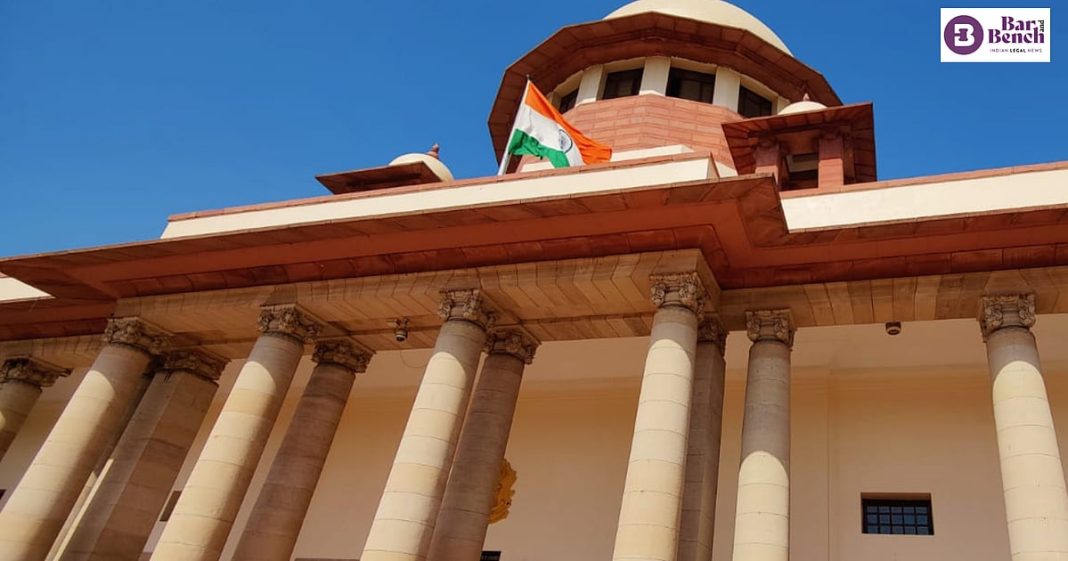
The Supreme Court of India has issued a significant directive to the Uttar Pradesh Police, ordering them to produce individuals arrested during a workers’ protest in Noida. This stern intervention comes amidst grave allegations of custodial torture, casting a spotlight on police accountability and the sanctity of fundamental rights in the country. The top court’s move underscores its unwavering commitment to upholding justice and scrutinizing state actions, particularly when allegations of human rights violations surface.
Supreme Court Demands Accountability
A bench of the Supreme Court, upon hearing a plea concerning the arrests, did not mince words in its directive to the UP Police. The court emphasized the serious nature of the allegations, which include not just arbitrary arrests but also physical abuse and inhumane treatment while in custody. The bench has explicitly demanded that the accused individuals be presented before a competent court, allowing judicial scrutiny of their detention and the conditions under which they were held.
This order is a critical reminder to law enforcement agencies across the nation that due process and respect for human dignity are paramount. It effectively puts the onus on the police to explain their actions and demonstrate adherence to legal procedures. The Supreme Court’s immediate response to these allegations highlights the judiciary’s role as the ultimate guardian of civil liberties, stepping in when state machinery is accused of overstepping its bounds.
Noida Protests and Allegations of Torture
The genesis of this legal battle lies in a workers’ protest in Noida, a bustling industrial hub in Uttar Pradesh. Details surrounding the exact nature of the protest vary, but reports suggest workers were agitating over issues such as alleged unfair labour practices, demanding better wages, improved working conditions, or protesting wrongful dismissals. Such protests are not uncommon in India’s industrial belts, often leading to clashes with authorities.
The Custodial Torture Allegations
Following the protests, several workers were reportedly arrested by the UP Police. It is during their subsequent detention that the disturbing allegations of custodial torture emerged. Petitioners, likely family members or human rights advocates, approached the Supreme Court with claims that those arrested were subjected to severe physical beatings, denial of basic rights, and other forms of ill-treatment while in police custody. These allegations, if proven true, constitute a serious violation of constitutional rights and international human rights norms, which India is a signatory to.
Custodial torture is a deep-seated issue in India, despite numerous judicial pronouncements and guidelines aimed at preventing it. The D.K. Basu guidelines, laid down by the Supreme Court, provide a detailed framework for arrest and detention procedures to safeguard against such abuses. Yet, cases continue to surface, underscoring the gap between legal mandates and ground realities.
Judicial Oversight and the Path to Justice
The Supreme Court’s intervention in the Noida case serves as a powerful testament to the judiciary’s role in maintaining checks and balances against potential state excesses. By demanding the production of the accused, the court is essentially initiating a process of habeas corpus, compelling the state to justify the detention and ensuring the physical well-being of the individuals. This is a crucial step in ensuring transparency and accountability within the police force.
Legal experts have often emphasized the critical importance of such judicial interventions. “The Supreme Court’s intervention is a crucial reminder that no authority is above the law, and the sanctity of individual liberty, even for those accused, must be fiercely protected,” stated a prominent legal analyst. “Allegations of custodial torture strike at the very heart of our democratic values and require the most stringent judicial oversight.”
The coming days will be critical as the UP Police responds to the Supreme Court’s directive. The proceedings are expected to shed more light on the circumstances of the arrests, the conditions of detention, and the veracity of the torture allegations. The outcome of this case will not only determine the fate of the arrested Noida workers but also send a strong message regarding the state’s responsibility to protect human rights, even in the context of law enforcement.
Ultimately, the Supreme Court’s robust stance reinforces the foundational principle that justice must not only be done but must also be seen to be done, safeguarding the trust citizens place in the rule of law.
*

