


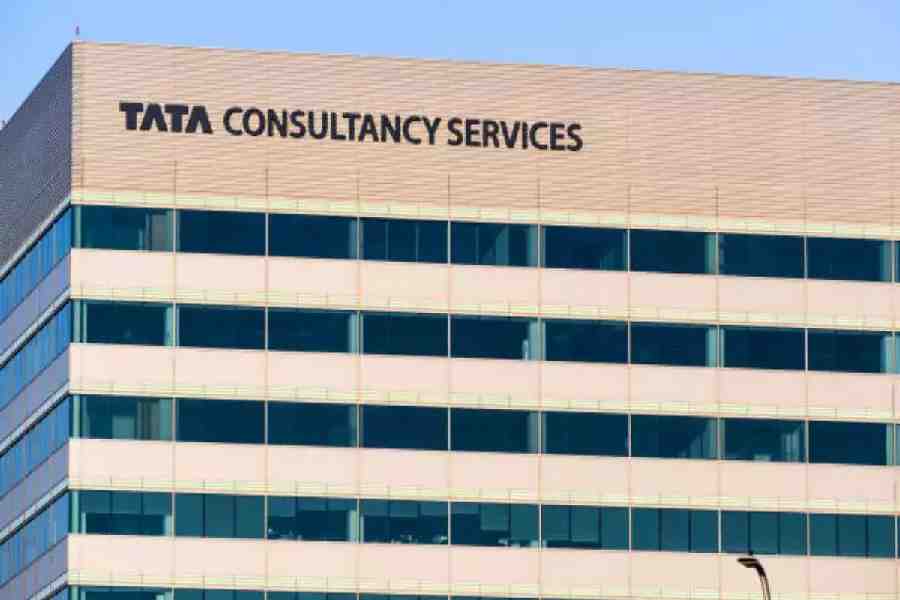
The spotlight remains firmly fixed on Tata Consultancy Services (TCS) as the IT behemoth navigates a significant workplace controversy. Following initial internal investigations that reportedly found no formal complaints under the Prevention of Sexual Harassment (POSH) Act, TCS has escalated its probe by engaging external experts. Global consulting firm Deloitte and prominent law firm Trilegal have now joined the investigation into the allegations surrounding a recruitment-for-bribes scheme, often referred to as the “Nashik row,” ensuring a layer of independent scrutiny and reinforcing commitment to ethical practices.
TCS’s Internal Findings and the Call for External Oversight
The controversy, which surfaced earlier this year, involved allegations of a sophisticated scheme where certain employees allegedly accepted bribes from staffing firms for recruitment. While the core of the issue revolved around unethical recruitment practices, subsequent reports and discussions in the public domain touched upon broader concerns regarding workplace conduct and potential coercion, implicitly raising questions around the spirit of POSH compliance.
TCS had initially launched a rigorous internal investigation into these allegations. According to recent statements from the company, this internal probe, which examined thousands of complaints and escalations, concluded that
“no complaints related to sexual harassment have been reported against any employee”
. This finding, however, did not fully address the wider concerns regarding the integrity of the hiring process and the potential for a hostile work environment, which some reports had alluded to.
Recognising the gravity of the situation and the need for absolute transparency and impartiality, TCS made the strategic decision to onboard external entities. The move to bring in Deloitte and Trilegal signals a strong intent to leave no stone unturned and to provide an unbiased assessment of the situation. This proactive step aims to not only ascertain the facts but also to reassure employees, stakeholders, and the public about the company’s commitment to ethical conduct and a safe workplace culture.
Deloitte and Trilegal’s Mandate: Reinforcing POSH Compliance
The entry of Deloitte and Trilegal into the investigation underscores the multi-faceted nature of the probe. Deloitte, with its expertise in forensic investigations and process audits, is expected to conduct a comprehensive review of the recruitment processes, identify any systemic vulnerabilities, and ascertain the extent of any malpractices. Their role will likely involve examining digital footprints, interviewing relevant personnel, and scrutinising contractual agreements with staffing agencies.
Trilegal, a leading Indian law firm, brings specialized legal acumen to the table, particularly in areas of corporate governance, labor laws, and POSH compliance. While TCS’s internal findings indicated no formal POSH complaints, Trilegal’s involvement ensures that all aspects related to workplace conduct, employee rights, and the framework for addressing grievances are thoroughly vetted. They will likely advise on the legal ramifications, review the robustness of internal policies, and ensure that the investigation adheres to the highest standards of legal due diligence.
The Prevention of Sexual Harassment (POSH) Act, 2013, is a cornerstone of workplace safety for women in India, mandating clear guidelines for complaint mechanisms and redressal. Even in the absence of formal complaints, any perceived environment of coercion or misconduct can erode trust and contravene the spirit of the Act. The involvement of legal experts like Trilegal highlights the importance of not just compliance on paper, but fostering a culture where employees feel genuinely safe and empowered to report any form of harassment or unethical behaviour without fear of reprisal.
“A thorough and unbiased investigation is crucial, not just for the individuals involved, but for reinforcing trust in an organization’s commitment to a safe and equitable workplace,” states Dr. Priya Sharma, a Mumbai-based corporate ethics consultant. “This multi-pronged approach, integrating forensic and legal expertise, is a testament to the evolving standards of corporate governance in India, where accountability and transparency are paramount.”
Broader Implications for Indian Corporate Governance
The ongoing investigation at TCS extends beyond a single company; it carries significant implications for corporate governance standards across India’s vast IT sector and other industries. The Nashik row has cast a spotlight on the intricate relationship between recruitment ethics, employee well-being, and the robustness of internal compliance mechanisms.
This case serves as a powerful reminder for all Indian corporations about the critical need for proactive vigilance against corruption and the maintenance of an unimpeachable ethical environment. It emphasizes that while internal checks are essential, external independent oversight can significantly bolster credibility and ensure a comprehensive review, especially when serious allegations surface. The outcomes of this high-profile probe will undoubtedly set precedents and encourage other companies to review and strengthen their own anti-bribery policies, POSH compliance frameworks, and overall ethical codes of conduct, fostering a culture of integrity that benefits employees and shareholders alike.
As Deloitte and Trilegal delve deeper into the matter, the corporate world watches closely. The findings will be instrumental in shaping future best practices, demonstrating TCS’s resilience, and reinforcing its foundational commitment to ethical business operations and creating a workplace that upholds the highest standards of safety, fairness, and integrity.

