


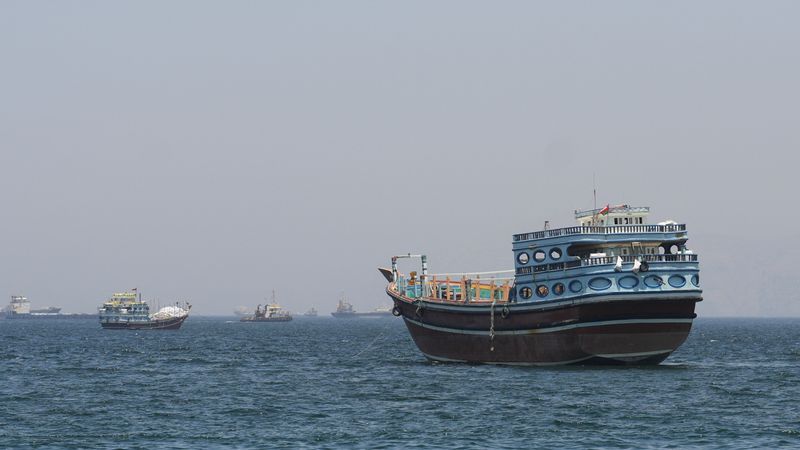
The Strait of Hormuz, a narrow yet profoundly vital waterway connecting the Persian Gulf to the open ocean, is once again at the epicentre of global economic anxiety. This crucial maritime chokepoint, through which a staggering 20% of the world’s total petroleum consumption and 25% of its liquefied natural gas (LNG) transits, has seen a marked slowdown in shipping activity. Despite the latest assurances and pledges of increased security by the United States, including enhanced naval patrols and military presence, the majority of commercial shipping lines appear to be holding back, creating a de facto standstill that threatens global energy markets and supply chains. For a nation like India, heavily reliant on energy imports from the Gulf, this uncertainty casts a long shadow over its economic stability and strategic interests.
The Strait’s Chokepoint Challenge and India’s Vulnerability
The geopolitical significance of the Strait of Hormuz cannot be overstated. Flanked by Iran to the north and the UAE and Oman to the south, its narrowest point is just 39 kilometres wide, making it a highly vulnerable transit route. Any disruption here reverberates across the globe, impacting crude oil prices, insurance premiums, and ultimately, consumer costs. For India, the stakes are particularly high. A significant portion of India’s crude oil imports, essential for powering its rapidly growing economy, originates from the Middle East and must pass through this strait. Indian refiners, including state-owned giants like IOCL and BPCL, as well as private players like Reliance Industries, depend on the uninterrupted flow of oil to meet the nation’s energy demands. The current state of flux, driven by escalating regional tensions, directly threatens India’s energy security, potentially leading to higher fuel prices at home and increased inflationary pressures.
Beyond energy, the Strait is a critical artery for India’s trade with the Middle East, Europe, and Africa. Bulk carriers laden with commodities, container ships carrying manufactured goods, and vessels transporting crucial raw materials all navigate these waters. A slowdown or stoppage not only increases shipping costs but also causes delays, disrupting supply chains and impacting the competitiveness of Indian exports. The Indian government has consistently advocated for the freedom of navigation in international waters, deploying its own naval assets at times to protect Indian-flagged vessels and ensure the safety of its maritime trade.
Assurances vs. Realities: Why Shipping Remains Hesitant
The latest US pledge, which includes bolstering its military presence in the region and explicit commitments to defend freedom of navigation, aims to instill confidence in the shipping industry. While these assurances are militarily significant, they appear to fall short of fully restoring normalcy. The reluctance of shipping companies stems from a confluence of factors that transcend mere military might.
Firstly, the perceived threats are often asymmetric and difficult to counter with conventional naval power. Drone attacks, mine laying, and vessel seizures pose a complex challenge that even a robust military presence cannot entirely nullify. Secondly, the fundamental economics of maritime transport have shifted dramatically. War risk insurance premiums have skyrocketed, making transit through the Strait prohibitively expensive for many operators. These added costs erode profit margins and are often passed on to consumers, making alternative, albeit longer, routes more financially viable for some.
A senior maritime analyst, speaking on condition of anonymity due to the sensitivity of the issue, observed, “While the US commitment is a strong deterrent, shipping firms prioritize two things above all: crew safety and financial viability. When insurance costs make a voyage uneconomical, or the threat perception to human lives remains high despite military pledges, companies will naturally seek safer harbour or alternative routes, even if longer. It’s a risk-reward calculation that military patrols alone can’t fully recalibrate in the short term.” This sentiment underscores the dilemma faced by the global shipping community, which remains wary of becoming collateral damage in an increasingly volatile region.
Beyond Militarization: India’s Call for Stability and Diplomacy
The ongoing situation in the Strait of Hormuz highlights the urgent need for a multifaceted approach that extends beyond military assurances. For India, a nation that prides itself on its strategic autonomy and diplomatic prowess, the emphasis has consistently been on de-escalation and dialogue. India’s External Affairs Minister has repeatedly stressed the importance of resolving regional tensions through peaceful means, advocating for all parties to exercise restraint and uphold international law.
The long-term solution lies in fostering regional stability through robust diplomatic engagement, addressing the underlying causes of friction, and promoting cooperative security frameworks. International bodies and regional stakeholders, including India, have a crucial role to play in facilitating discussions that can lead to a durable peace and ensure the unimpeded flow of global trade. The current standstill is a stark reminder that military solutions, while providing temporary deterrence, often do not address the complex economic and political factors that drive such crises. The world, and particularly energy-hungry economies like India, cannot afford prolonged disruption in such a vital maritime corridor.
Ultimately, the freedom of navigation through the Strait of Hormuz is a shared global responsibility. Reinstating full confidence in its safety will require a concerted effort from all parties to reduce tensions, ensure adherence to international maritime law, and prioritize the stability of a region critical to global prosperity.

