


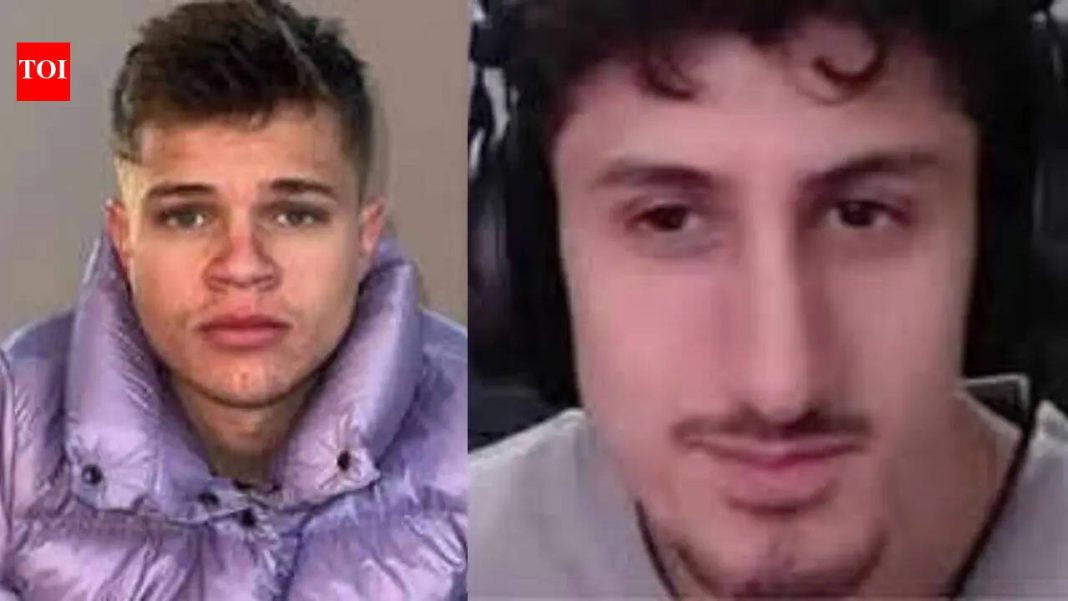
The competitive world of esports thrives on skill, precision, and lightning-fast reflexes. Yet, it’s also a realm frequently shadowed by accusations of unfair play. The recent ban of Indian Rainbow Six Siege player ‘Mooda’ (identity unconfirmed, often a pseudonym in gaming) following a high-stakes victory against prominent streamer Jynxzi has sent ripples through the global R6S community, igniting a fervent debate about competitive integrity, the swiftness of justice, and the specter of past controversies. This incident has put the spotlight squarely on the challenges of maintaining fair play in a rapidly evolving digital arena, particularly resonating with India’s burgeoning esports scene.
The Upset That Sparked a Storm: Mooda vs. Jynxzi
The saga began with what appeared to be an underdog triumph. Mooda, a lesser-known player, managed to defeat Jynxzi, one of Rainbow Six Siege’s most recognizable and popular figures, in a high-profile online match. Jynxzi, known for his engaging streams and skilled gameplay, commands a massive following, and any defeat, particularly one deemed suspicious, inevitably draws intense scrutiny from his dedicated fanbase. Clips of Mooda’s gameplay from the match quickly began circulating across social media platforms. Fans and fellow players meticulously dissected every kill, every pre-fire, and every seemingly impossible shot, with many alleging the use of third-party software, commonly referred to as cheats or hacks.
The accusations were swift and vocal. Social media platforms, particularly X (formerly Twitter) and Reddit, became battlegrounds where replays were scrutinised frame-by-frame. While some argued that Mooda’s plays, though exceptional, were within the realm of high-level competitive play, a significant portion of the community pointed to uncanny crosshair placements, unnatural reactions, and consistent headshots as irrefutable evidence of foul play. The sheer volume and intensity of these claims exerted considerable pressure on Ubisoft, the game’s developer and publisher, to investigate.
Ubisoft’s Swift Action and the Shadow of the Past
In response to the mounting pressure and the viral nature of the accusations, Ubisoft acted decisively. Within a short period, Mooda was reportedly banned from Rainbow Six Siege. While Ubisoft rarely provides specific details regarding individual bans to protect player privacy and prevent cheat developers from understanding detection methods, the timing of the ban, immediately following the widespread accusations, left little doubt as to its cause. This rapid intervention was met with mixed reactions; some lauded Ubisoft for upholding competitive integrity, while others questioned the transparency of the process, wishing for more explicit explanations for such significant decisions.
However, this wasn’t merely a standalone incident. The “past truth” mentioned in the community discussions hinted at prior suspicions surrounding Mooda’s gameplay. Unconfirmed reports and whispers from various corners of the R6S community suggested that Mooda had been under the microscope before, with some players recalling instances of similarly questionable performance in previous matches or tournaments. While concrete evidence of past bans or official warnings remains elusive to the public, the resurfacing of these old doubts amplified the current controversy. It created a narrative where the Jynxzi match wasn’t just a single isolated event, but potentially the latest in a pattern of suspicious activity.
A prominent Indian esports analyst, speaking on condition of anonymity due to the sensitivity of the issue, remarked,
“In esports, especially for games with high stakes like R6S, trust is paramount. When a player, particularly one under previous suspicion, delivers an unexpectedly dominant performance against a top-tier personality, it inevitably raises red flags. Ubisoft’s quick ban, while seen by some as reactive, is also a strong message to the community about their commitment to fair play.”
Implications for India’s Esports Landscape
The Mooda controversy has a particular resonance within the Indian esports scene. India is experiencing an unprecedented boom in competitive gaming, with titles like Rainbow Six Siege attracting a growing player base and significant investment. Incidents of cheating, especially involving players associated with the region, can cast a shadow on the entire ecosystem, affecting its credibility and growth trajectory. Aspiring Indian esports professionals watch these events closely, and the debate surrounding fair play versus unproven accusations impacts their perception of the competitive ladder.
For India to solidify its position as a major player in global esports, maintaining a pristine reputation for fair competition is crucial. This incident serves as a stark reminder to both players and developers that the battle against cheating is ongoing. While the community demands transparency, developers grapple with protecting their anti-cheat technology. The Mooda-Jynxzi saga is a complex narrative that highlights the tightrope walk between player freedom, community vigilance, and developer responsibility in the ever-evolving world of competitive gaming.
As the dust settles on this particular incident, the core questions remain: How can game developers ensure transparent yet secure anti-cheat measures? How can the community balance suspicion with due process? And how will this affect the careers of individual players caught in the crossfire? The answers will undoubtedly shape the future of competitive esports, not just in India, but globally.

