


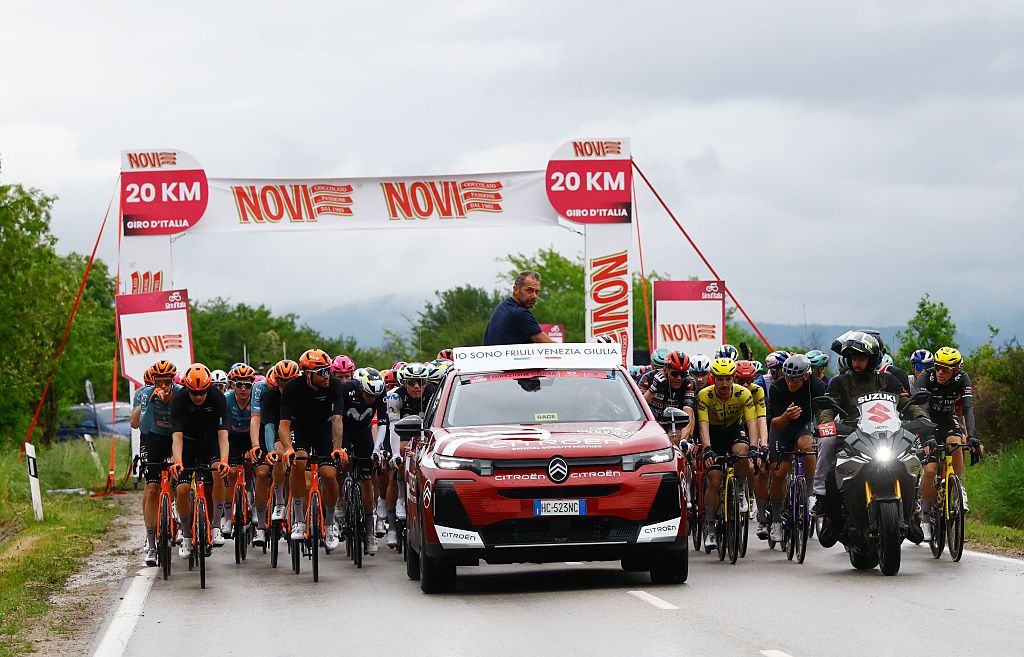
The world of professional cycling, often celebrated for its grit and determination, is currently abuzz with sharp criticism leveled at the Giro d’Italia’s director. In a fiery outburst that has sent ripples through the peloton and beyond, cycling stalwart Jasper Stuyven didn’t hold back, lambasting the handling of Stage 2’s neutralisation. His choice of words? That the director acted “like a frightened dog,” an indictment that speaks volumes about the frustration and safety concerns simmering beneath the surface.
The Precipice of Peril: Stage 2’s Unfolding Drama
Stage 2 of the Giro d’Italia was anticipated to be a challenging day, but few predicted the level of chaos that would ensue. As the peloton navigated treacherous conditions, marked by persistent rain and slick roads, the atmosphere grew increasingly tense. Riders, already pushing their limits, found themselves grappling not just with the course, but with the palpable fear of a serious incident.
The call for neutralisation – a temporary halt or slowing of the race due to unsafe conditions – began to echo through the ranks. In such moments, the race director’s role is paramount, tasked with making swift, critical decisions that prioritize rider safety above all else. However, from the perspective of many riders, the response was anything but swift or decisive. The perceived delay and uncertainty in invoking the safety protocols left many feeling exposed and vulnerable, raising questions about the leadership guiding one of cycling’s Grand Tours.
Stuyven’s Scathing Assessment: “Like a Frightened Dog”
It was this handling, or rather mishandling, of the situation that prompted Jasper Stuyven’s unvarnished critique. His comparison of the director’s actions to those of “a frightened dog” is potent. It suggests not just hesitation, but a deeper lack of control, a paralysis in the face of escalating danger. For riders who train relentlessly and risk serious injury daily, clear leadership in moments of crisis is non-negotiable.
Stuyven’s words resonate with a broader frustration within the peloton regarding rider safety. Incidents where adverse weather or course conditions lead to calls for intervention are not uncommon, and the consistency and timeliness of race officials’ responses are often under scrutiny. When a rider of Stuyven’s stature speaks out so forcefully, it underscores a profound lack of confidence in the decision-making process, highlighting a breakdown in the crucial trust between those who race and those who officiate.
As veteran cycling analyst, Dr. Elara Vance, succinctly put it, “A situation like this truly tests the mettle of race organizers. Riders put their lives on the line, and they expect clear, decisive leadership, especially when conditions become perilous. Hesitation can be more dangerous than a firm, albeit unpopular, decision.” Her sentiments mirror the palpable unease felt by many in the cycling community.
The Unfolding Debate: Safety, Leadership, and the Grand Tours
This incident throws a harsh spotlight on the ongoing debate surrounding rider safety in professional cycling. While the sport inherently carries risks, there’s a growing demand for organizers to implement robust, clear, and consistently applied safety protocols. The “frightened dog” comment isn’t merely an insult; it’s a stark metaphor for what Stuyven and many others perceive as a systemic flaw when it comes to protecting the athletes.
For a prestigious event like the Giro d’Italia, such criticism is particularly damaging. It questions the integrity of the race management and could impact the morale and confidence of the riders throughout the remaining stages. Moving forward, the incident will undoubtedly fuel further discussions among teams, riders, and governing bodies about the responsibilities of race directors and the need for proactive, rather than reactive, safety measures. The call is clear: leadership must be strong, decisive, and always put the well-being of the riders at the forefront.

