


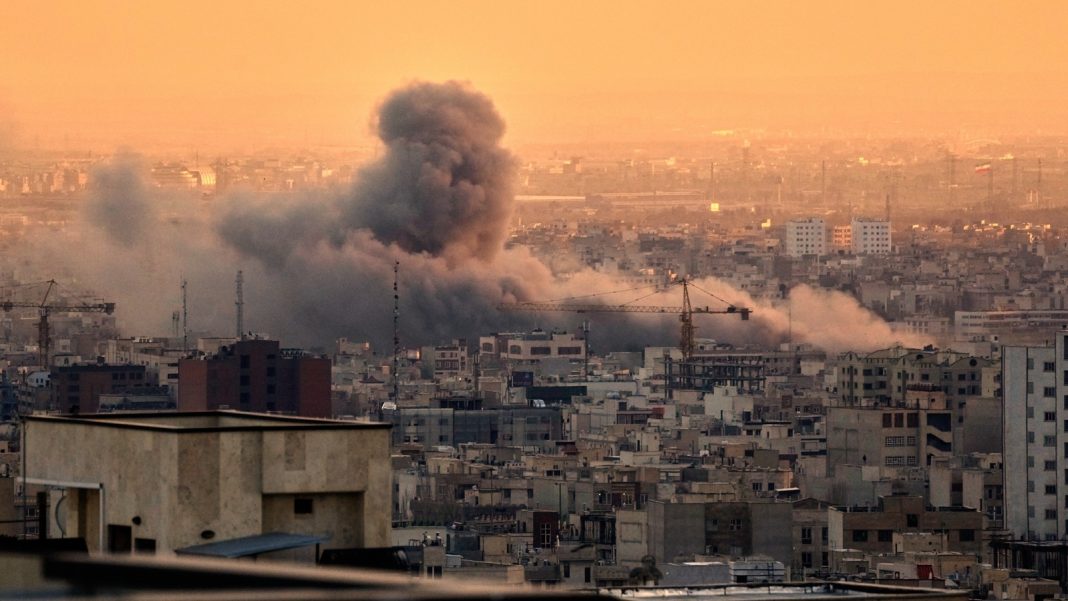
The Strait of Hormuz, a narrow yet profoundly vital waterway connecting the Persian Gulf to the open ocean, has long been a focal point of global energy security and geopolitical tensions. Amidst escalating rhetoric and incidents in recent years, a recent report suggests a potential diplomatic thaw: Iran has reportedly offered to reopen the crucial shipping lane, but only if the United States, under President Donald Trump, agrees to meet three specific conditions. This development, if confirmed, marks a significant potential shift in the deeply entrenched standoff between Washington and Tehran, with far-reaching implications for international relations and, crucially, for major oil-importing nations like India.
The Reported Offer and Iran’s Stance
According to the report, which has circulated among diplomatic circles, Iran’s overture is contingent upon the Trump administration fulfilling a trio of demands. While specific details remain somewhat fluid, these conditions are understood to broadly include: a comprehensive lifting of all sanctions re-imposed by the US since its withdrawal from the Joint Comprehensive Plan of Action (JCPOA), a commitment from Washington to return to and uphold its obligations under the original nuclear agreement, and a cessation of aggressive military posturing and rhetoric in the Persian Gulf region.
The Strait of Hormuz is more than just a shipping channel; it is a global economic artery. Approximately one-fifth of the world’s total petroleum consumption, including nearly all the oil exports from Saudi Arabia, Iran, Iraq, Kuwait, Qatar, and the UAE, passes through this 21-mile wide chokepoint. Any disruption, whether from military action, blockades, or even heightened tensions, sends immediate shockwaves through global oil markets, impacting prices and supply chains worldwide. Iran, controlling the northern bank of the Strait, has historically leveraged its strategic position as a deterrent and a bargaining chip in its dealings with international powers.
Global Repercussions and India’s Stake
A potential reopening of the Strait of Hormuz under a diplomatic agreement could usher in a period of reduced volatility for global oil markets. The persistent threat of disruption has kept a premium on crude prices, and a resolution could lead to more stable and perhaps lower energy costs. However, the political will on both sides to negotiate such a deal remains a formidable challenge.
For India, a resolution to the Hormuz standoff carries immense significance. As the world’s third-largest oil consumer and a major importer, India’s energy security is intricately linked to the stability of the Persian Gulf. A significant portion of India’s crude oil imports, vital for its growing economy, transits through the Strait. Any prolonged disruption or escalation of conflict directly threatens India’s economic stability, potentially leading to higher fuel prices, inflation, and supply chain bottlenecks. India has consistently advocated for diplomatic solutions and de-escalation in the region, understanding that its national interests are best served by peace and unimpeded trade routes. The complexities of US sanctions on Iran have also placed India in a delicate diplomatic position, balancing its strategic partnership with the US against its historical ties and energy needs from Iran.
The Path Ahead: A Fraught Diplomacy
While the reported offer presents a glimmer of hope, the path to a resolution is fraught with diplomatic complexities. The Trump administration has maintained a ‘maximum pressure’ campaign against Iran, aiming to compel Tehran to renegotiate a broader deal that includes its ballistic missile program and regional activities. Whether the US would consider any conditions that involve rolling back sanctions without significant concessions from Iran on these other fronts is highly debatable. The domestic political landscapes in both countries, especially with a US presidential election on the horizon, further complicate any potential negotiations.
‘This reported offer underscores the immense leverage Iran believes it holds over a crucial global chokepoint,’ observes Dr. Rohan Singh, a geopolitical analyst specializing in West Asian affairs. ‘However, bridging the trust deficit and reconciling fundamentally opposing objectives will require extraordinary diplomatic ingenuity. The world, particularly energy-dependent economies like India, will be watching closely for any genuine signs of movement.’
The challenge lies in finding a mutually acceptable framework that addresses Iran’s security and economic concerns while satisfying US demands for regional stability and non-proliferation. The initial reaction from Washington, or lack thereof, to such a report will be crucial in gauging the feasibility of this reported diplomatic opening.
The reported offer from Iran to reopen the Strait of Hormuz, conditioned on specific concessions from the Trump administration, represents a potentially pivotal moment in the ongoing US-Iran saga. While details remain unconfirmed and the obstacles to a deal are substantial, the mere prospect highlights the immense strategic importance of the Strait and the global desire for de-escalation. For India, maintaining stability in the Persian Gulf and ensuring the free flow of oil remains paramount. As diplomatic murmurs continue to surface, the international community, and especially nations like India, hope for a path towards dialogue that can defuse tensions and safeguard global energy security.

