


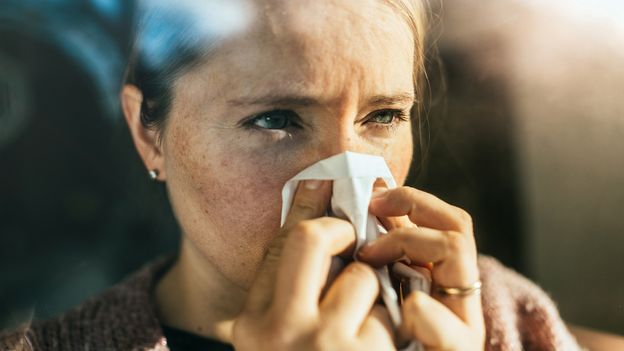
Ah, spring! The birds are singing, the flowers are blooming, and for millions, it’s also the season of itchy eyes, runny noses, and incessant sneezes. Hay fever, or allergic rhinitis, can turn what should be a delightful time of year into a relentless battle against invisible foes: pollen and allergens. While there’s no magic bullet to instantly cure hay fever, understanding how to manage your exposure and symptoms can significantly improve your quality of life. Instead of resigning yourself to a season of discomfort, it’s time to equip yourself with smart strategies to reclaim your spring.
Fortifying Your Personal Sanctuary
Your home and personal space should be your refuge from the pollen onslaught. One of the most effective defenses is to keep windows and doors closed, especially during peak pollen times – typically mid-morning and early evening. Instead, rely on air conditioning, ensuring your filters are clean and set to recirculate air rather than drawing it in from outside. This principle extends to your vehicle; keep car windows up and use your AC on the recirculate setting.
Inside your home, regular cleaning is crucial. Vacuum frequently, ideally with a vacuum cleaner fitted with a HEPA filter, to trap microscopic pollen particles. Dust surfaces with a damp cloth to prevent pollen from becoming airborne again. Don’t forget your bedding; washing sheets, pillowcases, and duvet covers often in hot water can eliminate accumulated allergens. Furthermore, avoid drying laundry outdoors where it can become a pollen magnet. “Keeping my home a pollen-free sanctuary has been a game-changer,” says Sarah Chen, a long-time allergy sufferer. “It’s about making small, consistent efforts that add up to significant relief.“
Smart Strategies for Stepping Out
While staying indoors entirely isn’t practical, being mindful of your outdoor activities can make a world of difference. Before venturing out, check local pollen forecasts, which are readily available online or through weather apps. This allows you to plan your day, perhaps postponing strenuous outdoor activities until pollen counts are lower. If you must be outside when levels are high, consider wearing wrap-around sunglasses to protect your eyes from airborne allergens and a hat to prevent pollen from settling in your hair.
Upon returning indoors, immediately remove outer clothing and shower to wash off any pollen that has collected on your skin and hair. This simple routine prevents you from tracking allergens throughout your home. If you have pets that spend time outdoors, they can inadvertently bring pollen inside on their fur, so giving them a regular wipe-down or bath during high pollen seasons is also a wise step.
Personal Care and Proactive Relief
Beyond environmental controls, proactive personal care plays a vital role in managing hay fever symptoms. Over-the-counter medications, such as antihistamines, nasal sprays, and eye drops, can provide significant relief. Antihistamines help block the chemical histamine, which causes allergy symptoms, while nasal sprays can reduce inflammation and clear congestion, and eye drops soothe irritated, itchy eyes. Always read the labels carefully and consult with a pharmacist or doctor to find the best option for your specific symptoms and health needs.
Staying well-hydrated is another simple yet effective measure. Drinking plenty of water can help thin mucous, making it easier to manage congestion. Additionally, consider using a saline nasal rinse. These rinses can flush pollen and other irritants from your nasal passages, providing immediate, non-medicinal relief. By combining these personal care routines with environmental controls, you create a comprehensive strategy to navigate hay fever season with greater comfort and ease.
Dealing with hay fever doesn’t have to mean enduring a season of misery. By understanding how pollen impacts you and implementing these practical tips, you can significantly reduce your exposure and alleviate your symptoms. A proactive approach, from fortifying your home to thoughtful outdoor planning and consistent personal care, empowers you to enjoy the beauty of spring without the constant sniffles and sneezes.

