


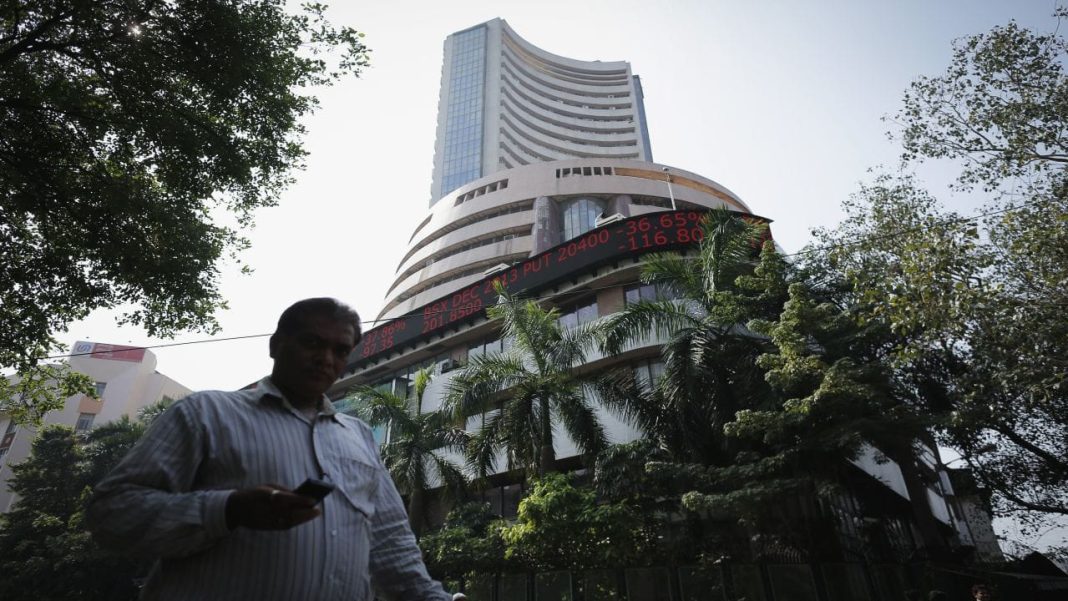
The Indian equity market experienced a significant jolt in May as Foreign Portfolio Investors (FPIs) turned net sellers, withdrawing a substantial Rs 14,231 crore. This sharp reversal comes after a period of robust inflows and highlights the increasing sensitivity of global capital to evolving geopolitical and macroeconomic uncertainties. As global markets brace for a complex landscape, India, despite its inherent strengths, finds itself navigating the ripple effects of international caution.
The Retreat of Capital: Unpacking May’s FPI Outflows
The latest data from depositories reveals a concerning trend for the Indian market. After being net buyers in March and April, FPIs reversed course dramatically in May, pulling out a staggering Rs 14,231 crore from Indian equities. This marks a significant shift in sentiment, driven primarily by a confluence of global factors that have made emerging markets less attractive in the short term. While FPIs had shown a preference for Indian assets earlier in the year, attracted by robust economic growth projections and strong corporate earnings, the global risk-off sentiment prompted a widespread reallocation of capital. The outflow primarily targeted the equity segment, underscoring a cautious approach towards riskier assets.
This withdrawal is particularly notable given India’s relatively strong domestic economic performance. However, FPI decisions are rarely solely dictated by local fundamentals; they are often a reflection of broader international capital flow dynamics, risk appetites, and comparisons with alternative investment avenues globally. The magnitude of the outflow suggests a deliberate move to reduce exposure amidst heightened uncertainties, rather than a specific concern about India’s long-term potential.
Global Headwinds: The Looming Shadows of Uncertainty
The primary driver behind May’s FPI exodus can be attributed to a cocktail of global headwinds. A significant factor is the persistent hawkish stance from the US Federal Reserve, with market expectations shifting towards a “higher for longer” interest rate scenario. This makes dollar-denominated assets, particularly US treasuries, more appealing, drawing capital away from emerging markets like India. The strengthening dollar also impacts the returns for FPIs when converting profits back to their home currencies, adding another layer of disincentive.
Geopolitical tensions, particularly in the Middle East and ongoing conflicts in Europe, continue to fuel investor apprehension. These uncertainties lead to increased volatility in commodity markets, especially crude oil, which directly impacts India’s import bill and inflation outlook. Furthermore, renewed inflation concerns in developed economies suggest that central banks globally might maintain restrictive monetary policies for longer than initially anticipated, creating an environment of risk aversion.
“FPIs are currently in a wait-and-watch mode, driven by the evolving global interest rate trajectory and lingering geopolitical risks,” states Dr. Ritesh Kumar, Chief Economist at Axis Securities. “The attractiveness of dollar assets in a high-interest rate regime often outweighs the potential gains from emerging market equities, especially when global sentiment turns cautious.” This cautious approach reflects a broader trend of capital seeking safer harbours in times of uncertainty.
India’s Resilience and the Path Forward
Despite the significant FPI outflows, India’s underlying economic story remains compelling. The domestic market has shown remarkable resilience, largely supported by robust inflows from Domestic Institutional Investors (DIIs) and retail investors. DIIs have consistently been net buyers, acting as a crucial counterweight to FPI selling and preventing a sharper market correction. India’s strong economic fundamentals, including a projected healthy GDP growth rate, easing inflation, and robust corporate earnings, continue to present a promising long-term investment landscape.
Furthermore, the recent conclusion of the general elections brought a clear mandate, reducing political uncertainty that might have also contributed to FPI caution in the run-up to the results. A stable government with continuity in policy is generally viewed positively by international investors. While global factors will continue to influence FPI flows in the short term, India’s structural growth story, demographic dividend, and ongoing reforms position it as an attractive destination for capital once the international scenario stabilises.
The current outflows should be viewed within the context of global capital reallocation rather than a fundamental questioning of India’s growth trajectory. As global interest rates eventually peak and geopolitical risks subside, FPIs are expected to reassess and potentially increase their exposure to high-growth emerging markets like India, drawn by its compelling macro story and vibrant domestic demand.
The Rs 14,231 crore withdrawal by FPIs in May serves as a potent reminder of the interconnectedness of global financial markets. While India’s domestic economic indicators remain strong, the prevailing global jitters – from interest rate uncertainties to geopolitical tensions – have undeniably impacted FPI sentiment. However, the Indian market’s ability to absorb these outflows, largely due to strong DII support, underscores its inherent resilience. As the global landscape slowly recalibrates, FPI attention is expected to return to India’s compelling long-term growth prospects, making the current phase a temporary realignment rather than a lasting shift.

