


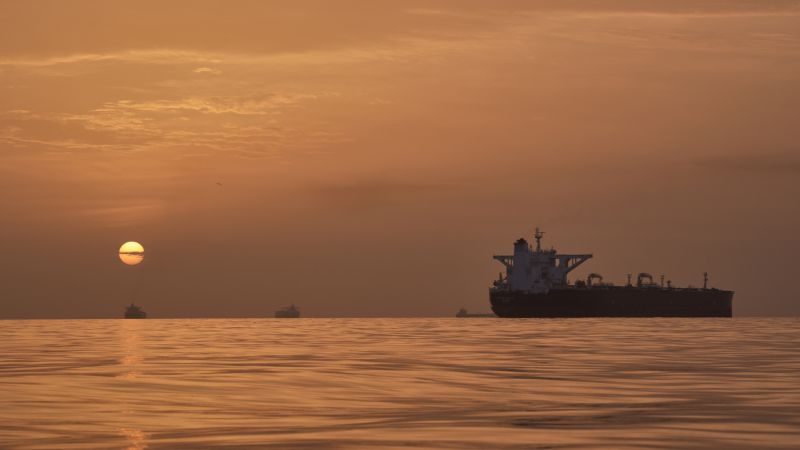
The global stage is holding its breath once more as critical developments unfold in a region perpetually at the heart of international stability. The delicate threads of an Iran ceasefire are rapidly unraveling, pushing the area closer to renewed conflict. Compounding this grave concern is the alarming news: the Strait of Hormuz, a vital artery for global trade and energy, has been shut down again. This isn’t just about political maneuverings; it’s about the ripple effect that touches every single one of us, from our daily commutes to the stability of our economies.
The Fraying Threads of Peace
For weeks, hopes flickered that a nascent ceasefire in the Iranian sphere of influence might hold, offering a much-needed respite from long-standing tensions. But reports now indicate that time is running out, with negotiators struggling to bridge divides that seem to widen by the day. The implications of a failed ceasefire are profound, threatening to reignite conflicts that have already exacted a devastating human toll and destabilized an already fragile region.
When peace efforts falter, it’s not just diplomats who lose; it’s families who fear for their safety, communities who face uncertainty, and economies that brace for further disruption. The human cost is immeasurable, a constant reminder that these geopolitical chess games have real-world consequences for ordinary people. The looming question is whether a path back to dialogue can be found before the window of opportunity slams shut completely.
A Chokehold on Global Commerce: The Strait of Hormuz
As if the ceasefire’s fragility weren’t enough, the decision to shut down the Strait of Hormuz again sends a shiver through global markets and supply chains. For those unfamiliar, the Strait of Hormuz is one of the world’s most critical maritime chokepoints, a narrow waterway through which a significant portion of the world’s oil supply, along with vast amounts of other goods, passes daily. Its closure is not merely a regional issue; it’s a direct hit to the global economy.
The immediate impact is already being felt. Energy prices are on an upward trajectory, a direct consequence of restricted supply and market anxiety. This translates quickly to higher fuel costs for consumers everywhere, affecting everything from your gas tank to the price of groceries. Beyond oil, the Strait’s closure disrupts countless shipping routes, delaying goods and increasing costs for manufacturers and retailers alike. “The Strait’s closure isn’t just about oil; it’s a direct threat to global stability and the wallets of everyday citizens everywhere,” explained Dr. Lena Khan, an expert in international trade routes. Her words underscore the interconnectedness of these events with our daily lives, far removed from the headlines.
What Now? The Global Ripple Effect
The combination of a collapsing ceasefire and a closed Strait of Hormuz creates a perfect storm of uncertainty. The world is watching to see how international bodies and key players will respond to these escalating crises. The immediate priority will undoubtedly be to de-escalate tensions and reopen this vital shipping lane, but the underlying geopolitical challenges remain.
For us, the impact manifests in everyday anxieties: higher prices, supply shortages, and a pervasive sense of unease about the future. It’s a stark reminder of how interconnected our world truly is, and how events in one corner of the globe can send ripples that affect us all. The clock is ticking, and the stakes for global stability, economic well-being, and ultimately, human lives, could not be higher. Let’s hope for diplomacy and a swift resolution to these critical challenges.

