


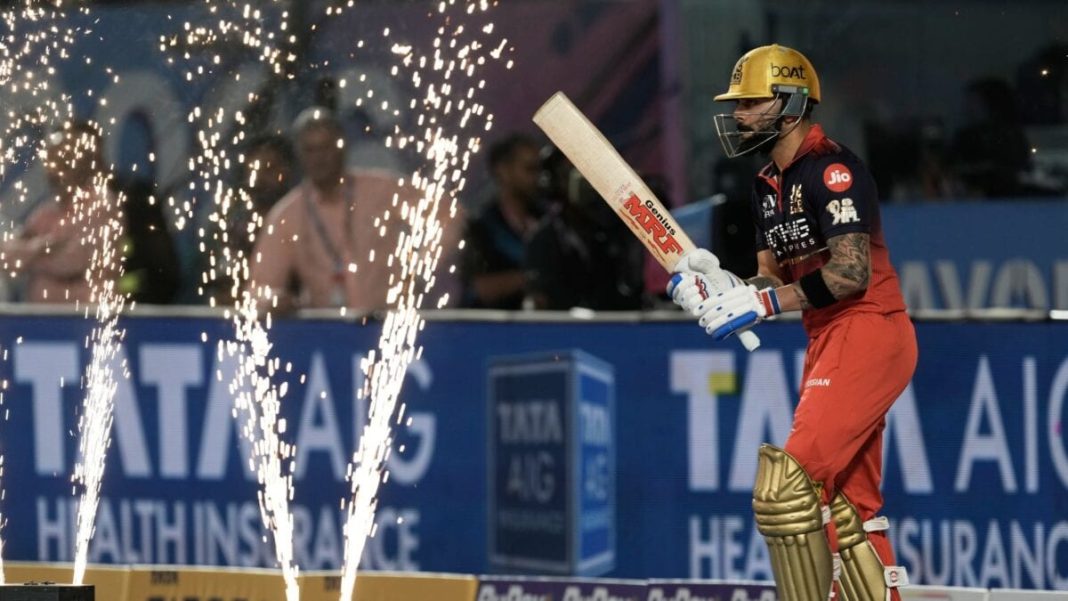
The Indian Premier League (IPL), a cricketing spectacle that captivates millions annually, has traditionally painted the Indian summer in vibrant hues of team jerseys and thrilling contests. However, with India experiencing increasingly severe and prolonged heatwaves during its customary April-May window, stakeholders are reportedly contemplating a significant shift to a cooler, potentially more lucrative, September-October slot. This prospective change isn’t merely about player comfort; it’s a strategic move with profound commercial implications, particularly from an advertiser’s perspective.
India’s Scorching Summers Challenge IPL’s Traditional Slot
For years, the IPL has coincided with the peak of the Indian summer, a period marked by rising temperatures. While fans have braved the heat in stadiums and viewers have tuned in from air-conditioned homes, the physiological toll on players, especially in day games or early evening matches, has become a growing concern. Temperatures often soar past 40 degrees Celsius in many host cities, leading to debates around player welfare, hydration, and overall performance.
The recent seasons have brought these concerns into sharper focus. Players, both domestic and international, have voiced struggles with extreme humidity and heat, impacting their recovery and increasing the risk of heat-related illnesses. Spectator experience also takes a hit, with evening matches offering some respite, but afternoon games proving challenging for live audiences. Broadcast logistics, too, can be complicated by the need for more frequent water breaks and adjustments to schedules. The Board of Control for Cricket in India (BCCI) is acutely aware of these challenges, as the league’s long-term sustainability hinges on optimal playing conditions and fan engagement.
The Allure of September-October: A Commercial and Climatic Advantage
The proposed shift to September-October is being considered for compelling reasons beyond just mitigating the heat. This post-monsoon period typically offers significantly milder weather across most of India, providing a much more conducive environment for both players and spectators. Cooler evenings would likely translate into higher stadium attendance and an enhanced viewing experience, whether at the ground or at home. The air quality also generally improves after the monsoon, further adding to the appeal.
However, the most potent argument for this new window stems from its immense commercial potential. September and October form the heart of India’s festive season, encompassing major celebrations like Durga Puja, Dussehra, and Diwali. This period witnesses a massive surge in consumer spending across various sectors, from automobiles and electronics to fashion and lifestyle. Brands traditionally ramp up their advertising budgets during these months to capture the heightened discretionary spending. Integrating the IPL, India’s biggest sports entertainment property, into this high-spending cycle presents an unprecedented opportunity for advertisers and sponsors.
An industry insider, who requested anonymity due to the sensitivity of discussions, remarked, “From an advertising and sponsorship standpoint, September-October aligns perfectly with India’s festive spending season. It’s a commercial sweet spot where brands are most aggressive, potentially pushing ad revenues to unprecedented levels. The cooler weather would also mean better viewership numbers, as people are more inclined to relax and watch prime-time entertainment.” This perspective underscores the significant financial upside that could accompany such a scheduling change, making the IPL even more attractive to its corporate partners.
Navigating the Global Calendar: The BCCI’s Complex Decision
While the benefits of a September-October window are evident, the path to implementation is fraught with logistical complexities, primarily concerning the international cricketing calendar. The autumn months are often packed with bilateral international series, other domestic T20 leagues (like the Caribbean Premier League, Big Bash League, and The Hundred), and major ICC tournaments such as the T20 World Cup or ODI World Cup. Securing the availability of top international players, who are a cornerstone of the IPL’s global appeal, would be a monumental task.
The BCCI would need to engage in extensive negotiations with the International Cricket Council (ICC) and various national cricket boards to carve out a dedicated window. This would likely require a significant restructuring of the global cricketing schedule, a process that is notoriously difficult and time-consuming. Any decision would also need to consider the impact on India’s own international commitments and the domestic first-class season. The challenge lies in balancing the commercial imperatives and player welfare concerns of the IPL with the intricate web of international cricket responsibilities.
The discussions around moving the IPL represent a critical juncture for Indian cricket. While the extreme heat of the traditional April-May slot poses growing challenges, the September-October window offers a compelling blend of improved climatic conditions and unparalleled commercial opportunities. The BCCI faces the delicate task of weighing these advantages against the immense logistical hurdles of rescheduling. As climate patterns continue to shift and commercial pressures mount, the future of the IPL’s timing remains a dynamic conversation, potentially leading to a transformative shift for the league.

