


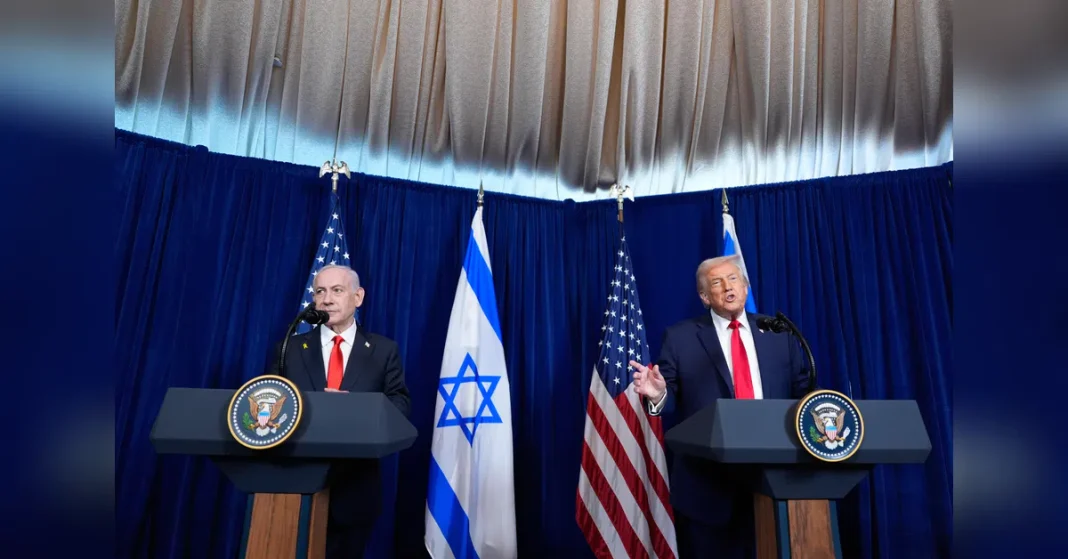
A striking and potentially seismic diplomatic exchange has come to light, involving former U.S. President Donald Trump and Israeli Prime Minister Benjamin Netanyahu. During a phone call concerning escalating tensions on Israel’s northern border with Lebanon, Trump reportedly delivered a blunt assessment to Netanyahu: “Everybody hates Israel now.” This revelation, detailed by sources familiar with the conversation, casts a stark light on the shifting global perceptions of Israel amidst its ongoing military campaign in Gaza and the growing threat of a wider regional conflict.
Trump’s Candid Warning: A Diplomatic Jolt?
The reported phone call between Donald Trump and Benjamin Netanyahu occurred at a critical juncture, as Israel faces increasing pressure from Hezbollah across its northern frontier, leading to intensified cross-border shelling and the displacement of thousands. Against this backdrop of heightened regional instability, Trump’s alleged remark – that “Everybody hates Israel now” – serves as a profound indicator of a perceived decline in international goodwill towards the Jewish state.
Coming from a figure who, during his presidency, was widely regarded as one of Israel’s strongest international allies – moving the U.S. embassy to Jerusalem, recognizing Israeli sovereignty over the Golan Heights, and brokering the Abraham Accords – this statement carries significant weight. It suggests a recognition, even from a historically staunch supporter, that Israel’s actions, particularly in Gaza, have profoundly alienated large swathes of the global community. The context of the conversation, focusing on Lebanon, underscores the immediate and pressing challenges Israel faces on multiple fronts, both military and diplomatic.
The Shifting Sands of Global Opinion and Regional Realities
Trump’s reported comment, while sharp, echoes a sentiment that has been visibly gaining traction across various international platforms. The humanitarian crisis in Gaza, marked by widespread displacement, famine, and a staggering civilian death toll, has drawn condemnation from numerous governments, international bodies, and human rights organizations. Calls for a permanent ceasefire have grown louder, and legal proceedings at the International Court of Justice have added to the pressure on Israel.
From the perspective of the Global South, including nations like India, the conflict in West Asia continues to be a matter of grave concern. While India has historically maintained a balanced approach, advocating for a two-state solution and expressing solidarity with the Palestinian cause, it has also forged strong strategic ties with Israel. However, the scale of human suffering in Gaza has prompted New Delhi to consistently call for immediate de-escalation, unimpeded humanitarian aid, and a renewed commitment to lasting peace based on dialogue and international law. Such nuanced positions reflect a broader global frustration with the protracted conflict and its devastating impact.
The perceived shift in global opinion also poses a significant challenge to Israel’s long-term security and diplomatic standing. Traditional allies in the West have shown increasing discomfort, with some imposing sanctions or recognizing a Palestinian state. This growing isolation could complicate Israel’s efforts to manage regional threats, including the ongoing confrontation with Hezbollah in Lebanon, which analysts fear could quickly spiral into a full-scale war. The international community largely views such an escalation with alarm, understanding the potential for catastrophic regional destabilisation.
Netanyahu’s Conundrum and the Path Ahead
For Prime Minister Netanyahu, Trump’s unvarnished feedback highlights a profound dilemma. Internally, he faces immense pressure to achieve war aims in Gaza while simultaneously addressing the severe security threats from Lebanon. Externally, his government is grappling with a rapidly eroding international image, which could undermine diplomatic support and economic relations critical for Israel’s future. The potential return of Donald Trump to the U.S. presidency adds another layer of complexity; while historically pro-Israel, this recent comment suggests that even future support might come with conditions or candid assessments that diverge from past unwavering endorsements.
The reported “everybody hates Israel now” comment serves as a stark reminder that while military actions might address immediate security concerns, they come with significant geopolitical costs. For Israel, navigating this increasingly hostile international landscape will require more than military might; it will demand a comprehensive diplomatic strategy aimed at rebuilding trust, addressing humanitarian concerns, and working towards a sustainable political resolution that acknowledges the legitimate aspirations of all peoples in the region. The path ahead for Israel, amidst internal divisions and external pressures, appears fraught with challenges, underscoring the urgent need for de-escalation and a renewed commitment to peace.
*

