


Ebola outbreaks are a terrifying reality, presenting immense challenges to public health and global security. We often focus on the virus’s virulence, the strain on medical resources, and the monumental effort required to track and treat cases. However, a less visible, yet equally dangerous, adversary has emerged on the front lines: widespread mistrust fueled by damaging conspiracy theories. This isn’t just a hurdle; it’s a profound, human-made barrier that actively undermines every step taken towards containment, making an already dire situation exponentially more complex and deadly.
The Virality of Untruths
In the crucible of an Ebola crisis, fear and uncertainty become fertile ground for misinformation. Conspiracy theories often emerge, claiming that the virus is not real, is a bioweapon created by foreign powers, or that aid organizations are intentionally spreading the disease for nefarious purposes—be it organ harvesting, profit, or population control. These narratives, often spread rapidly through informal networks and social media, prey on existing distrust in institutions, governments, and even science itself.
The insidious nature of these theories lies in their ability to resonate with communities that have historically experienced exploitation or neglect. When people already feel marginalized or suspicious of external intervention, a simple, albeit false, explanation for their suffering can take root far more easily than complex scientific facts. This creates an echo chamber where fear is amplified, and truth is distorted, making it incredibly difficult for health authorities to communicate effectively and build the rapport necessary for successful intervention.
Sabotaging Containment Efforts
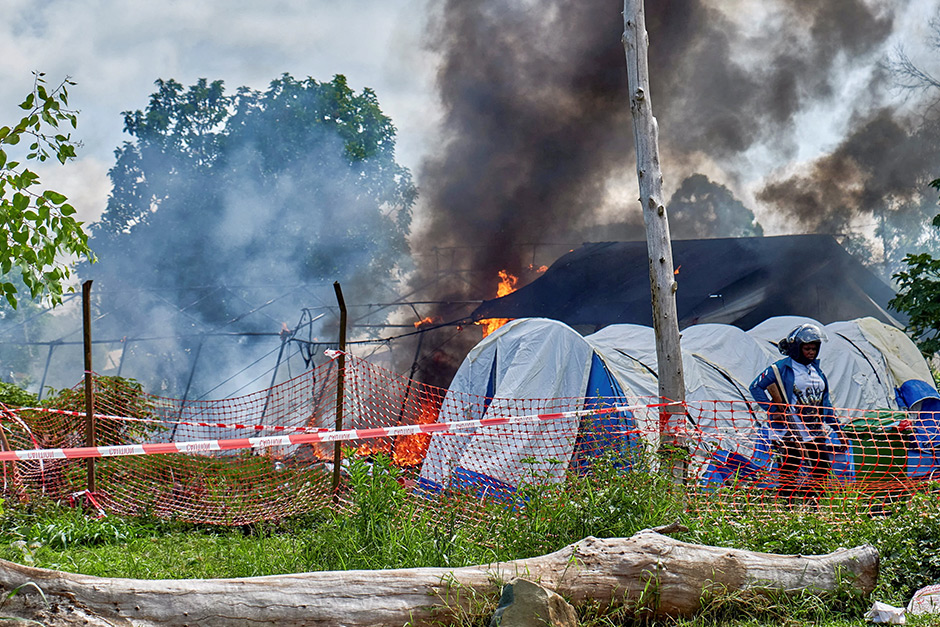
The practical consequences of these conspiracy theories are devastating. When communities believe that health workers are part of the problem rather than the solution, they resist vital public health measures. This resistance manifests in numerous ways: sick individuals are hidden from medical teams, safe burial practices are rejected (often leading to further spread during traditional rituals), and health facilities are viewed with suspicion, causing people to delay seeking treatment until it’s too late. Moreover, health workers themselves often face hostility, threats, and even violence, making their already perilous jobs even more dangerous.
Consider the heartbreaking reality: “When aid workers arrive, intending to help, they’re sometimes met with suspicion, even hostility. People genuinely believe we’re there to harm them, not heal,” said Dr. Lena Khan, a veteran humanitarian aid coordinator. “This profound lack of trust means every vaccination, every contact tracing effort, every burial team faces resistance. It’s a battle against disease, yes, but also against a narrative of fear that is costing lives.” This battle for hearts and minds is as critical as the medical fight against the virus itself. Without community cooperation and trust, the fundamental pillars of disease containment—early detection, isolation, and contact tracing—crumble, allowing the virus to spread unchecked and prolonging outbreaks.
A Call for Trust and Truth
Ultimately, overcoming Ebola isn’t solely a medical challenge; it’s also a battle for hearts and minds, demanding a multi-faceted approach that addresses both the virus and the information vacuum it exploits. Combating conspiracy theories requires more than just debunking myths; it demands genuine, culturally sensitive engagement, building long-term trust with communities, and empowering local leaders to be champions of accurate health information. Only by fostering an environment where facts are valued and trust can flourish can we hope to contain not just the virus, but also the dangerous narratives that feed its spread.

