


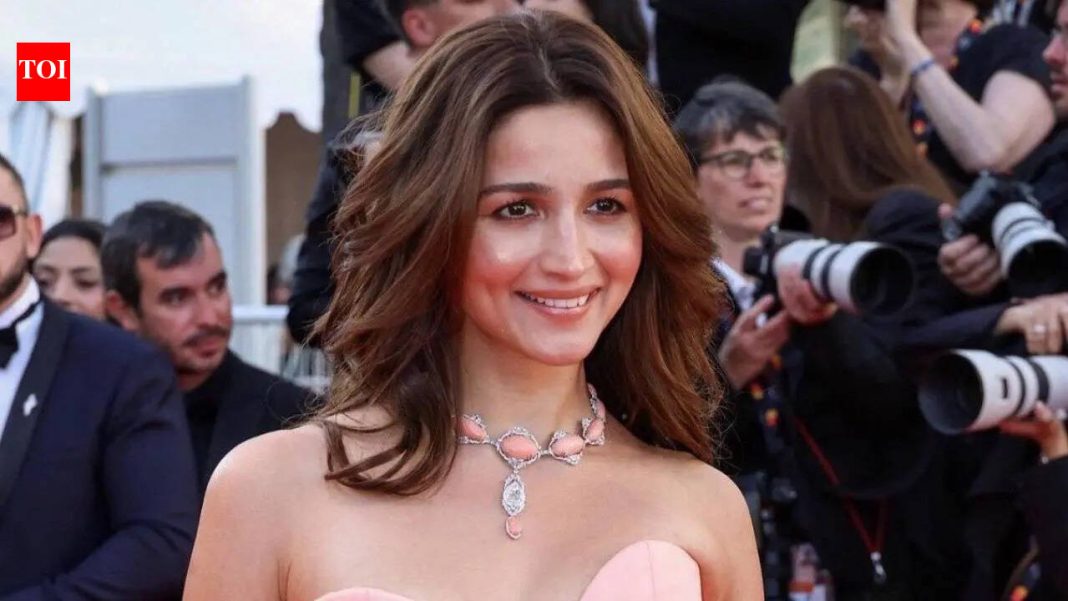
In a dynamic cinematic landscape where narratives are increasingly challenging traditional norms, Bollywood superstar Alia Bhatt has sparked an important conversation, asserting that Indian cinema largely continues to cater more to men. Her comments come at a time when women-led films are garnering unprecedented global success, prompting a critical look at the underlying structures and priorities within India’s vibrant film industry.
Bhatt’s observation underscores a perceived paradox: while Indian actresses are delivering powerful performances in complex, female-driven roles, and some of these films are achieving commercial and critical acclaim, the broader industry focus might still tilt heavily towards male protagonists and narratives. This perspective invites stakeholders to question whether the immense talent and storytelling potential centered around women are being fully harnessed, or if deep-seated biases continue to shape production decisions and audience expectations.
The Global Shift Versus Local Realities
The past few years have undeniably marked a watershed moment for women-led cinema on the global stage. Films like Greta Gerwig’s Barbie shattered box office records, proving the immense commercial viability of female-centric stories. Similarly, films such as Everything Everywhere All at Once and Poor Things, both featuring strong female leads, swept major international awards, signaling a clear shift in critical appreciation and audience demand for diverse narratives.
Within India, too, there have been significant strides. Alia Bhatt herself has fronted critically acclaimed and commercially successful ventures like Gangubai Kathiawadi and Raazi, which demonstrated the power of a strong female lead. Other examples include Vidya Balan’s Kahaani, Deepika Padukone’s Chhapaak, and Sonam Kapoor’s Neerja – films that not only resonated with audiences but also proved profitable. These successes suggest a burgeoning appetite among Indian viewers for stories beyond the traditional male-hero archetype. However, Bhatt’s recent statement implies that these instances, while significant, might still be seen as exceptions rather than a fundamental shift in industry philosophy.
Beyond the Lead Role: Deconstructing the Male-Centric Gaze
Alia Bhatt’s statement, “Why focus on only one gender?”, cuts to the heart of a long-standing debate. It’s not merely about who plays the lead, but about the entire ecosystem of filmmaking. Often, the bigger budgets, more extensive marketing campaigns, and prime release slots are reserved for films starring established male superstars, irrespective of the story’s depth or potential. This creates an uneven playing field, where women-led projects might struggle to secure the same level of investment or visibility.
The gender disparity also extends behind the camera. While there’s a growing number of female directors and writers making their mark—think Zoya Akhtar, Meghna Gulzar, Gauri Shinde—their representation in key creative and decision-making roles remains disproportionately low compared to their male counterparts. This imbalance can inadvertently perpetuate narratives and perspectives that primarily cater to a male worldview or target audience, even when the subject matter might involve women. Industry conversations often revolve around the ‘hero’s journey,’ the ‘hero’s arc,’ and storylines crafted to elevate the male protagonist, sometimes relegating female characters to supportive or ornamental roles.
The Path Forward: Embracing True Inclusivity
Bhatt’s comments serve as a timely reminder that while progress has been made, true gender parity in Indian cinema is still an aspirational goal. The industry stands to gain immensely by consciously moving beyond a singular gender focus. Embracing diverse voices in writing, direction, and production can lead to richer, more authentic storytelling that resonates with a wider audience demographic. The success of films on OTT platforms, where content is often driven by strong narratives irrespective of star power or gender, further highlights this demand for variety.
Investing equally in female-led projects, providing them with comparable budgets and marketing support, and actively promoting women in leadership roles are crucial steps. As the world witnesses a powerful wave of cinematic stories championing women, Indian cinema, with its immense talent pool and diverse cultural tapestry, has a unique opportunity to lead rather than follow. By genuinely questioning and dismantling the ‘why focus on only one gender’ mindset, the industry can unlock its full creative and commercial potential, delivering stories that truly reflect and inspire everyone.
The conversation initiated by Alia Bhatt is not just about a celebrity voicing an opinion; it’s a call to action for an industry to evolve, adapt, and ultimately, tell more inclusive and representative stories for the 21st century.

