


A catastrophic chemical tank implosion at the Domtar Paper Mill in Camas, Washington, has sent shockwaves across the industrial world, leaving one person confirmed dead and nine others tragically missing. The incident, which occurred during what was described as a routine maintenance operation, has prompted a massive emergency response and ignited urgent discussions about industrial safety protocols globally. For nations like India, with rapidly expanding industrial sectors, such events serve as potent reminders of the critical need for vigilance and robust regulatory frameworks.
The Catastrophe Unfolds: A Scene of Devastation
The calamity struck the Domtar facility in the early hours, a time when the mill was typically bustling with activity. Eyewitness reports and preliminary investigations suggest a large chemical tank, integral to the paper manufacturing process, suffered a sudden and violent implosion. The force of the blast was immense, ripping through the structure and causing significant damage to the surrounding area. Emergency services, including fire departments, HAZMAT teams, and search and rescue units, were immediately dispatched to the scene, confronted by a chaotic landscape of twisted metal, debris, and the lingering presence of hazardous chemicals.
The immediate aftermath was grim. One mill worker was tragically confirmed deceased at the site. The plight of nine other individuals, unaccounted for since the implosion, has cast a somber shadow over the entire operation. Search efforts are painstakingly underway, complicated by the structural instability of the remaining infrastructure and the inherent dangers posed by the chemicals involved. Authorities have not yet publicly identified the specific chemical, citing ongoing safety concerns and the need for thorough assessment, but have confirmed it is a corrosive substance used in the pulping process.
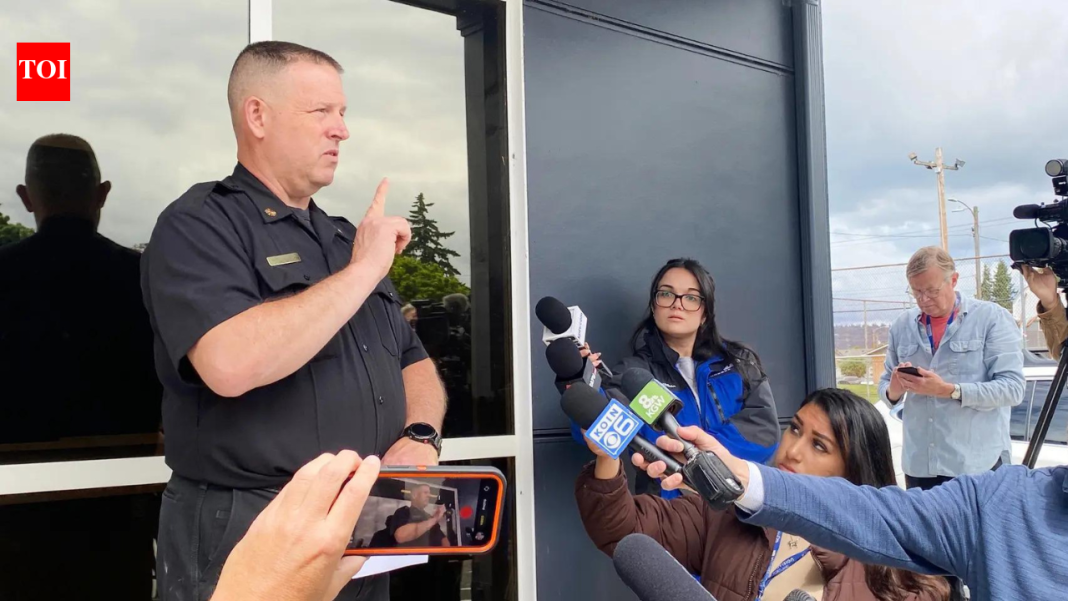
“This is a tragic day for our community, and our hearts go out to the victim’s family and those awaiting news of their loved ones,” stated Chief Robert Maxwell of the Camas Fire Department during a press briefing. “Our primary focus right now is on search and rescue, ensuring the safety of our responders, and containing any potential environmental impact.”
Search, Investigation, and Global Safety Echoes
The search for the nine missing individuals is a race against time, with rescue teams employing specialized equipment and techniques to navigate the treacherous debris field. The hope of finding survivors diminishes with each passing hour, yet the resolve of the responders remains unwavering. Concurrently, a multi-agency investigation has been launched by the Occupational Safety and Health Administration (OSHA) and other relevant federal and state bodies. The probe will seek to uncover the precise cause of the implosion, examining everything from equipment malfunction and material fatigue to operational procedures and human error. The findings will be crucial in preventing similar disasters in the future.
Beyond the immediate human tragedy, the incident at the Domtar mill raises significant environmental concerns. While officials have assured the public that efforts are being made to contain any chemical leaks and monitor air quality, the potential for long-term ecological impact in the surrounding area remains a key worry. Local residents have been advised to stay indoors and follow safety directives as a precautionary measure.
For a country like India, which is witnessing rapid industrialization and the establishment of numerous manufacturing units, this incident serves as a stark and sobering reminder. India’s industrial landscape, ranging from chemical plants to textile mills and steel factories, often faces challenges in maintaining consistent, high-level safety standards across all operations. Incidents like the Bhopal gas tragedy of 1984 stand as eternal monuments to the devastating consequences of industrial negligence. While regulations exist, their rigorous implementation and continuous auditing are paramount.
The Washington paper mill implosion underscores the universal truth that industrial safety is not merely about compliance but about a proactive culture of risk assessment, preventative maintenance, and employee training. It highlights the importance of investing in robust infrastructure, employing cutting-edge safety technologies, and fostering an environment where safety concerns are not just heard but acted upon decisively. As global supply chains become more interconnected, a major industrial incident anywhere in the world has potential ripple effects, highlighting shared responsibilities in ensuring safe working environments.
The disaster at the Domtar Paper Mill is a profound human tragedy and a critical lesson in industrial safety. As search operations continue and investigations deepen, the world watches, hoping for answers and reflecting on the ultimate cost of oversight. For burgeoning industrial economies like India, the echoes of this implosion resonate with a powerful message: constant vigilance and unwavering commitment to safety are the only true safeguards against catastrophe.
*

