


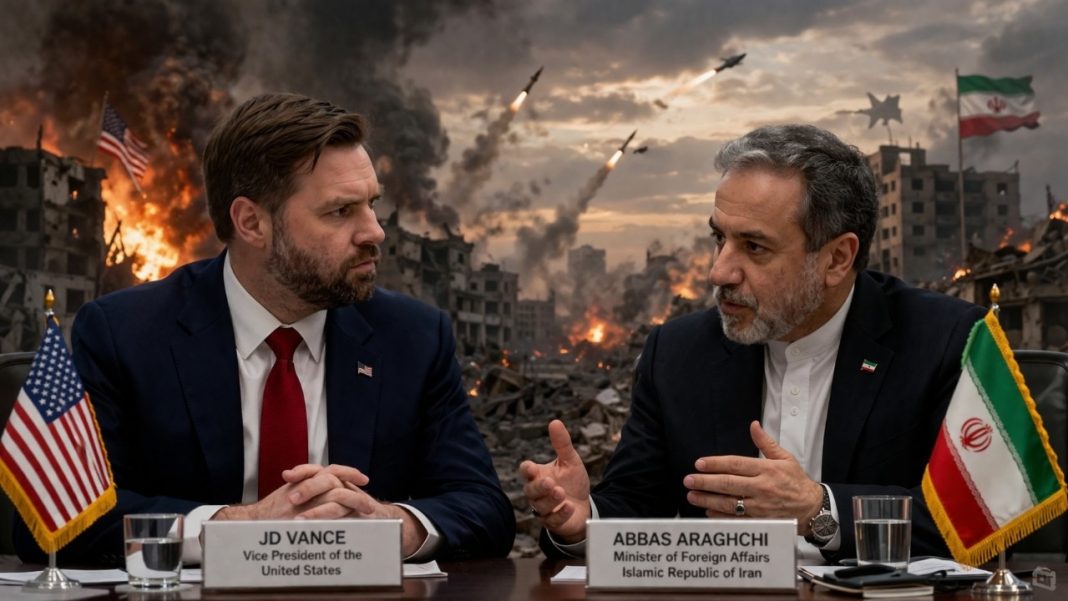
The global community’s hopes for a revived 2015 Iran nuclear deal, formally known as the Joint Comprehensive Plan of Action (JCPOA), appear to have been dashed. Tehran has vehemently blamed the United States for the talks’ collapse, claiming a deal was “inches away” but Washington failed to learn “zero lessons.” This breakdown ignites fresh concerns about regional stability and nuclear non-proliferation, a situation closely monitored by nations like India.
Iran’s Frustration: A Deal within Reach?
Iranian negotiators assert that diplomatic efforts in Vienna were on the cusp of a breakthrough. Senior Iranian officials claim their delegation showed flexibility, only to be met with inflexibility from the American side. Foreign Minister Hossein Amir-Abdollahian expressed profound disappointment, asserting that US demands were maximalist and did not reflect a genuine desire to resolve the impasse. Tehran believes Washington squandered a critical opportunity to restore the landmark agreement, which the US unilaterally withdrew from in 2018 under the Trump administration.
Iran’s core grievance stems from its perception that the US, despite advocating for revival, continued to impose new conditions beyond the original JCPOA. These conditions, Iran argues, aimed at undermining its sovereign rights and peaceful nuclear program. Tehran has consistently maintained it would only return to full compliance if the US first guaranteed full sanctions relief and provided assurances against future withdrawals – a complex demand given US domestic politics. “It reflects a lack of will and an unwillingness to make a tough decision,” stated Iranian Foreign Ministry spokesperson Nasser Kanaani, commenting on the US position and underscoring Tehran’s deep conviction that Washington lacked the political will to seal the deal despite being, as they claim, “inches away.”
Western Concerns and the Sticking Points
While Iran blames US inflexibility, Western powers, including the United States, present a different narrative. From their perspective, significant gaps remained, particularly concerning Iran’s nuclear advancements since the US withdrawal from the JCPOA. Over recent years, Iran has significantly escalated its uranium enrichment, reaching higher purities and installing advanced centrifuges, far exceeding original agreement limits.
Key sticking points for the Western side included demands for greater transparency and cooperation with the International Atomic Energy Agency (IAEA) regarding undeclared nuclear sites. The IAEA has repeatedly expressed concern over Iran’s lack of full cooperation, making it difficult to verify the peaceful nature of its entire nuclear program. Additionally, the West has sought stronger guarantees regarding Iran’s commitment, given its past actions. The US and European allies maintain their primary goal is to prevent Iran from developing nuclear weapons, and any revived deal must include robust verification and roll back Iran’s nuclear progress to a verifiable point.
Geopolitical Ripples and India’s Stake
The collapse of these crucial talks sends ripples across the geopolitical landscape, particularly in the already volatile Middle East. For India, a nation with significant energy interests and strategic partnerships in the region, this breakdown is a cause for concern. India has historically maintained robust diplomatic and economic ties with Iran, including cooperation on the Chabahar Port project, which serves as a vital gateway for Indian trade to Afghanistan and Central Asia, bypassing Pakistan.
An escalation of tensions or, worse, a military confrontation in the Persian Gulf would severely impact global oil supplies, leading to price spikes that directly affect India, one of the world’s largest crude oil importers. Furthermore, regional instability could jeopardize Indian diaspora workers in the Gulf, as well as crucial trade routes. New Delhi has consistently advocated for a peaceful, diplomatic resolution to the Iranian nuclear issue, stressing dialogue and de-escalation. The current stalemate presents a delicate balancing act for India, navigating its strategic relationship with the US while preserving historically significant ties with Iran and ensuring regional stability.
As the blame game continues, the immediate future of Iran’s nuclear program and regional security remains shrouded in uncertainty. The collapse of talks not only leaves the JCPOA in limbo but also raises the specter of proliferation and increased regional instability. While Iran advances its nuclear capabilities, the international community faces the daunting challenge of finding a new path forward. For India and other global powers, the imperative remains clear: encourage all parties to return to the negotiating table, demonstrating the flexibility and diplomatic foresight necessary to avert a potentially disastrous escalation and ensure a peaceful resolution to this enduring geopolitical challenge.

