


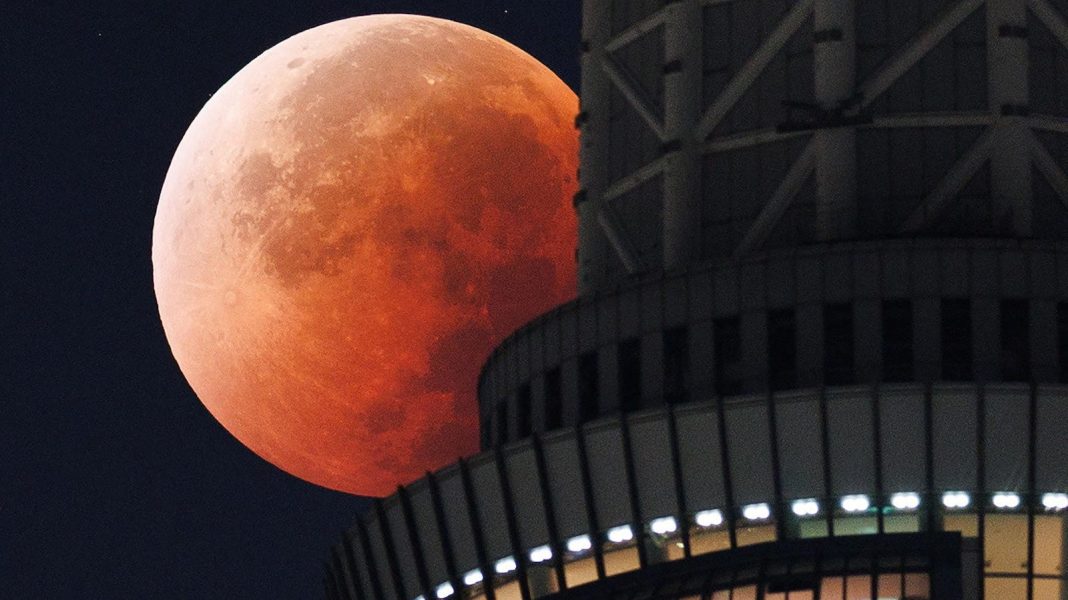
There’s an undeniable allure to the full moon, a luminous orb that has captivated humanity for millennia. Its steady glow in the night sky has inspired myths, guided ancient calendars, and offered a consistent point of wonder for observers worldwide. While we typically experience twelve full moons in a calendar year, some special years present an extra celestial treat. For those who track the lunar cycles, 2026 is poised to be one of these exceptional times, gracing us with a rare thirteenth full moon.
This upcoming year offers a unique opportunity to deepen our connection with the cosmos and appreciate the subtle rhythms of our planet and its celestial companion. Understanding why these “extra” moons occur adds another layer to their mystique, transforming a simple observation into an appreciation for astronomical mechanics.
The Rarity of the Thirteenth Full Moon
The secret behind an additional full moon in a single year lies in the interplay between our Gregorian calendar and the moon’s own cycle. A lunar month, or the time it takes for the moon to complete one full cycle of phases from new moon to new moon (known as a synodic month), averages about 29.5 days. Our calendar year, however, has between 365 and 366 days.
If you do the math, twelve lunar cycles amount to roughly 354 days (12 x 29.5). This leaves an approximate eleven-day gap between the end of the twelve lunar cycles and the close of the calendar year. Over time, these small discrepancies accumulate. Every two to three years, this surplus of days is enough to fit an entire thirteenth full moon into the calendar year. When this occurs, one calendar month will host two full moons. The second full moon in a single calendar month is popularly known as a Blue Moon. It’s not actually blue in color, but the term signifies its relative rarity, adding a poetic touch to an astronomical alignment.
For celestial enthusiasts, the presence of an extra full moon isn’t just a numerical curiosity; it’s a chance to extend a period of observation and reflection. It reminds us that our human-made calendars, while convenient, don’t always perfectly align with the universe’s natural rhythms, offering delightful surprises along the way.
Full Moons: More Than Just Light
Beyond their astronomical significance, full moons hold deep cultural and historical importance. Many cultures around the world have given unique names to each full moon of the year, often reflecting the natural events, seasonal changes, or agricultural cycles prevalent during that specific time. From the “Wolf Moon” of winter to the “Harvest Moon” of autumn, these names provide a rich tapestry of human observation and connection to nature.
The arrival of a thirteenth full moon in 2026 simply means an additional opportunity to connect with these traditions or to forge new ones. It provides an extra moment for observation, for setting intentions, or for simply marveling at the consistent beauty of our night sky. As one celestial enthusiast, Maya Singh, once remarked, “Each full moon offers a unique pause, a moment for collective reflection or individual intention. When we have an extra one, it feels like the universe is giving us a bonus opportunity to connect with the rhythm of the cosmos.”
Whether you’re an avid astronomer or simply someone who appreciates a stunning night sky, each full moon serves as a powerful reminder of the grandeur above us. An extra one amplifies this feeling, inviting us to look up and ponder our place within the vastness.
Embracing the Lunar Year
With 2026 promising this rare spectacle, it’s an ideal year to tune into the lunar calendar. You don’t need special equipment to appreciate a full moon; a clear night sky and an open mind are often enough. Many find full moon phases to be opportune times for personal reflection, journaling, meditation, or simply spending quiet moments outdoors under its soft glow. Some even find that certain energies or emotions feel heightened during these periods, making them ideal for personal rituals or communal gatherings.
Marking these occasions on your personal calendar can transform a regular year into a more mindful journey, punctuated by nature’s own magnificent clock. The extra full moon in 2026 simply adds another compelling reason to pause, look up, and celebrate the enduring magic of the moon.
So, as you look ahead, consider making space in your year for these luminous events. The 13 full moons of 2026 are not just astronomical occurrences; they are invitations to connect, reflect, and wonder.

