


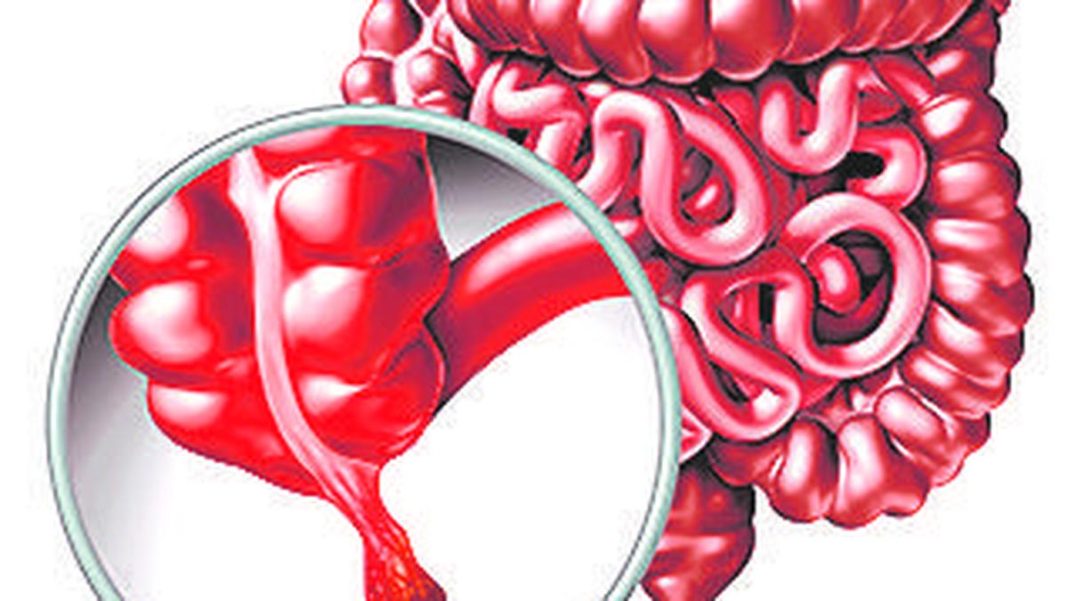
For generations, the human appendix has largely been dismissed as an evolutionary leftover, a vestigial organ with no discernible purpose beyond occasionally causing excruciating pain and requiring emergency removal. In India, like many parts of the world, an appendectomy is a common surgical procedure, often performed without much thought given to the organ’s potential function once the immediate crisis of appendicitis is averted. However, a growing body of scientific research is challenging this long-held perception, suggesting that this small, finger-shaped pouch attached to the large intestine plays a far more significant and multifaceted role in our overall health than previously imagined.
The Appendix: Re-evaluating a Biological Enigma
The notion of the appendix as a ‘useless’ organ gained prominence with Charles Darwin, who posited it was a shrunken remnant of a larger structure that once helped herbivorous ancestors digest tough plant matter. Over millennia, as human diets evolved, its necessity diminished, rendering it vestigial. This view became widely accepted, influencing medical textbooks and general understanding globally. However, modern medical science, equipped with advanced research tools, has begun to paint a different picture, one that highlights its involvement in crucial bodily processes, particularly those related to immunity and gut health.
Scientists now understand the appendix to be rich in lymphoid tissue, making it an integral part of the body’s immune system. This tissue is involved in the maturation of B lymphocytes (a type of white blood cell) and the production of immunoglobulins, which are antibodies crucial for fighting off infections. Far from being a mere relic, the appendix appears to actively participate in surveillance against pathogens and in maintaining the delicate balance of the immune response, especially within the gastrointestinal tract.
A Sanctuary for Gut Microbiota and Immune Hub
One of the most compelling arguments for the appendix’s function revolves around its role as a “safe house” for beneficial gut bacteria. The human gut is home to trillions of microorganisms, collectively known as the gut microbiota, which are vital for digestion, nutrient absorption, and immune system development. In times of severe digestive distress, such as cholera or dysentery – conditions not uncommon in parts of India – the gut can be “flushed out,” depleting these essential bacterial colonies. Researchers suggest the appendix, with its unique anatomical structure and location, may serve as a reservoir where beneficial bacteria can hide and repopulate the gut once the immediate threat has passed.
This protective function is particularly important in early life. “While once deemed vestigial, the appendix is now increasingly recognized for its role in the body’s immune system, acting as lymphoid tissue and potentially a ‘safe house’ for beneficial gut bacteria, contributing to overall immunological health,” notes a prominent researcher in gastroenterology. This perspective underscores its potential significance in the development and education of the immune system, particularly during infancy and childhood when the gut microbiome is still establishing itself.
Beyond Appendicitis: Broader Health Implications
If the appendix indeed plays such critical roles, its removal, though often life-saving in cases of acute appendicitis, could have subtle, long-term health implications. While appendectomies are generally considered safe with no apparent long-term adverse effects on survival, ongoing research is exploring potential links between appendectomy and altered risks for certain chronic conditions. For instance, some studies have investigated a possible, albeit complex, connection between appendectomy and an increased risk of inflammatory bowel diseases (IBD) or even Parkinson’s disease, though these findings are still largely observational and require extensive further research to establish causality.
For the average Indian, where digestive health challenges are prevalent due to diverse diets and environmental factors, understanding the appendix’s potential contributions to gut and immune health can foster a more holistic view of the body. It encourages medical professionals and individuals alike to appreciate the intricate design of the human body and the subtle interplay of its organs, even those once deemed redundant. The journey to fully comprehending the appendix’s contributions is ongoing, reminding us that there is still much to learn about our own biology.
The appendix, long relegated to the status of a biological footnote, is slowly but surely reclaiming its importance in the narrative of human health. As research continues to unravel its mysteries, it becomes clear that this small organ, far from being useless, is a fascinating and active participant in our immune defence and the delicate ecosystem of our gut. This evolving understanding prompts a re-evaluation, not just of the appendix itself, but of how we perceive the complexity and interconnectedness of our own bodies.

