


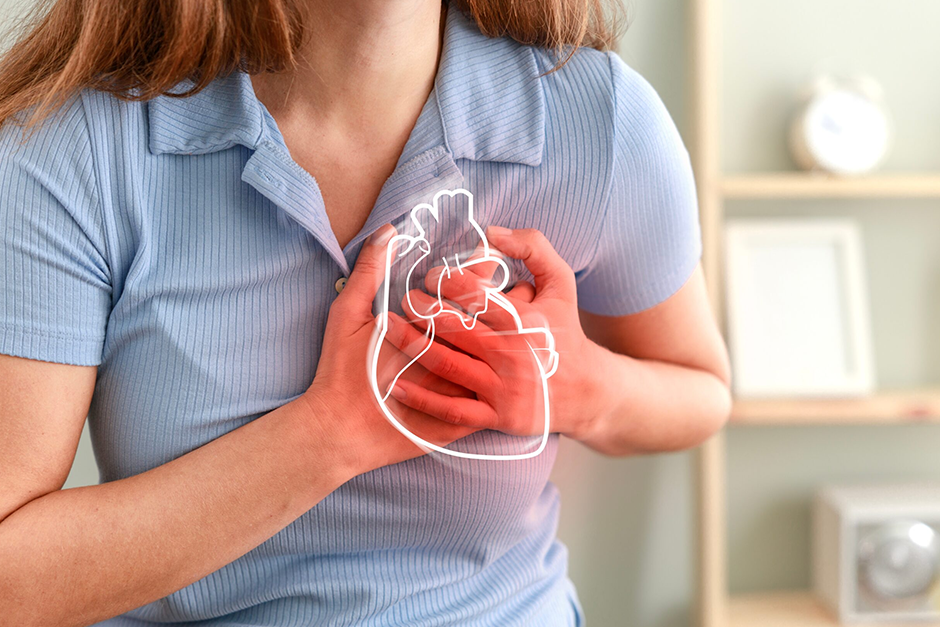
The image of a heart attack patient has long been associated with an older man, grappling with crushing chest pain. However, this outdated stereotype is proving to be a dangerous misconception, particularly in India. A concerning trend is emerging where young women under the age of 40 are increasingly falling victim to cardiovascular diseases, often with their warning signs tragically overlooked. This shift demands immediate attention, not just from medical professionals, but from women themselves and their families, to understand the unique challenges and subtle indicators of a silent crisis.
The Alarming Rise: A Demographic Shift
Recent data and clinical observations across India indicate a palpable rise in heart attack cases among women in their 20s and 30s. What was once considered a rare occurrence is now becoming disturbingly common, particularly in urban centres where lifestyle changes are most pronounced. Factors like demanding careers, sedentary lifestyles, increasing stress levels, and the pervasive shift towards processed foods are contributing to this worrying phenomenon. The traditional protective effect of hormones in younger women appears to be diminishing in the face of modern challenges, making them just as vulnerable, if not more so, due to delayed diagnosis.
This demographic shift is not merely anecdotal; cardiologists nationwide are reporting an influx of younger female patients presenting with acute myocardial infarction. The typical patient profile is evolving, underscoring the urgent need for heightened awareness and a re-evaluation of diagnostic approaches. Ignoring this trend could have severe public health consequences, impacting the productivity and well-being of a significant segment of India’s workforce and families.
Unpacking the Risk: Lifestyle and Unique Challenges for Young Indian Women
Understanding why young Indian women are increasingly at risk requires a closer look at a confluence of factors unique to their socio-economic and physiological context. Lifestyle choices play a significant role; the prevalence of fast food, lack of physical activity, and increased stress from balancing professional aspirations with societal expectations of home and family life contribute to conditions like obesity, diabetes, and hypertension, all potent risk factors for heart disease. Studies also point to a rising trend of smoking and alcohol consumption among young women, further exacerbating their cardiovascular vulnerability.
Beyond lifestyle, certain physiological conditions disproportionately affect women and amplify their heart disease risk. Polycystic Ovary Syndrome (PCOS), highly prevalent among Indian women, is closely linked to insulin resistance, inflammation, and increased risk of cardiovascular disease. Similarly, complications during pregnancy such as gestational diabetes and pre-eclampsia are now recognized as early indicators of future heart health issues. These unique risk factors often go unaddressed or are not adequately linked to long-term cardiac health, creating a dangerous blind spot in preventative care.
The Missed Signals: Why Warning Signs Go Unheeded
Perhaps the most critical aspect of this emerging crisis is the frequent failure to identify and act upon heart attack symptoms in young women. Unlike the dramatic, textbook chest pain often associated with men, women’s heart attack symptoms can be subtle, diffuse, and easily mistaken for other conditions. They might experience fatigue, shortness of breath, nausea, indigestion, upper back pain, or jaw pain without intense chest discomfort. These atypical symptoms are frequently dismissed as stress, anxiety, acid reflux, or even hormonal fluctuations.
“There’s a dangerous perception that heart attacks don’t happen to young women, leading both patients and sometimes even healthcare providers to misinterpret symptoms,” explains Dr. Priya Sharma, a leading cardiologist in Mumbai. “Women are often conditioned to put others first, delaying seeking help, or attributing their discomfort to exhaustion. By the time they present to a hospital, significant damage might have already occurred. We need to educate everyone that persistent, unexplained symptoms, even if subtle, warrant immediate medical evaluation, regardless of age.”
The societal tendency for women to prioritize family over personal health, coupled with a lack of awareness about female-specific heart attack symptoms, creates a perfect storm for delayed diagnosis and treatment. This delay can lead to more severe cardiac damage and poorer outcomes. Breaking this cycle requires a concerted effort to raise awareness, empower women to advocate for their health, and train healthcare providers to recognize and act upon the diverse presentation of heart disease in younger female patients.
The increasing incidence of heart attacks in young Indian women under 40 is a stark reminder that heart disease spares no one. It challenges our preconceived notions and demands a proactive, informed approach. Recognizing the unique risk factors, understanding the subtle warning signs, and fostering an environment where women feel empowered to seek timely medical attention are crucial steps. It’s time to listen to our bodies, challenge stereotypes, and ensure that no more lives are lost due to missed signals.

