


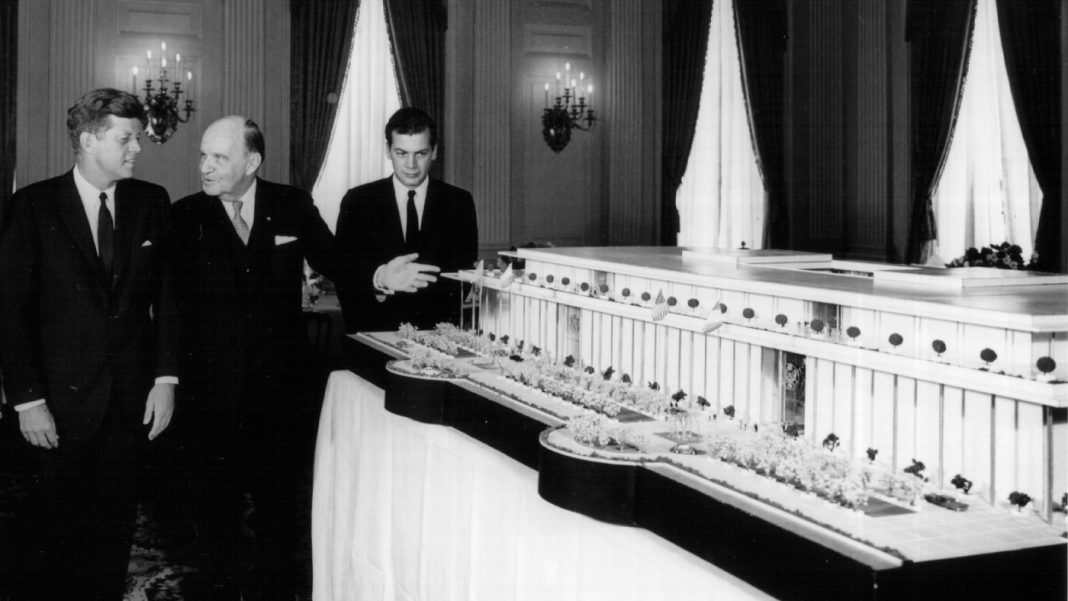
A lot of us know the Kennedy Center as that grand Potomac River institution, a beacon of arts and culture bearing a very famous name. But beneath its iconic silhouette lies a fascinating story of ambition, dedication, and presidential collaboration. It wasn’t built by one vision alone; rather, three American leaders, each with their own unique contributions, helped shape what we now recognize as a national treasure.
The Seeds of a National Cultural Hub
Before it was the Kennedy Center, the idea of a national stage for performing arts had been percolating in Washington for years. It was President Dwight D. Eisenhower who truly germinated these seeds. He envisioned a center that would not only host world-class performances but also serve as a memorial to all Americans who had contributed to the performing arts. Eisenhower signed the legislation establishing the National Cultural Center, recognizing the critical role arts play in a vibrant society and a nation’s identity. His foresight laid the foundational brick, initiating the monumental task of bringing such an ambitious project to fruition. This early push was crucial, providing the official mandate and initial momentum needed to transform a long-held aspiration into a tangible national goal.
A Vision Embraced, A Legacy Ensured
The momentum truly soared with President John F. Kennedy. A strong advocate for the arts himself, Kennedy infused the nascent project with renewed energy and personal passion. He saw the center not just as a building, but as a living testament to America’s cultural aspirations and its commitment to fostering creativity. He actively championed fundraising efforts and used his platform to highlight the importance of the arts in enriching public life. His tragic passing, however, transformed the project’s trajectory. In a poignant tribute to his dedication and belief in the arts, the National Cultural Center was swiftly renamed the John F. Kennedy Center for the Performing Arts. This decision cemented his enduring link to the institution, ensuring his vision would forever be etched into its very name and purpose.
From Vision to Grand Reality
With the center renamed and its significance amplified by tragedy, it fell to President Lyndon B. Johnson to steer the massive undertaking to completion. Johnson, committed to honoring his predecessor’s legacy and equally passionate about public service and cultural enrichment, ensured that construction proceeded with vigor. He understood the immense symbolic weight the Kennedy Center now carried, representing not just a hub for the arts but also a testament to continuity and shared national purpose. It was Johnson who presided over the groundbreaking and, ultimately, the dedication of the completed center, transforming a multi-presidential dream into a magnificent reality. His determination ensured that the architectural grandeur and cultural mission envisioned by two previous administrations finally opened its doors to the public, ready to inspire generations.
“It’s truly remarkable,” observes Dr. Evelyn Reed, a cultural historian, “how the Kennedy Center embodies a sort of relay race of presidential commitment. Each leader picked up the baton, adding their own unique drive to ensure this vital institution came to be. It’s a powerful reminder that some of our greatest national achievements are the result of collective, enduring effort, transcending individual tenures.”
The Kennedy Center stands today not just as a monument to one figure, but as a vibrant testament to a shared vision across presidential administrations. From Eisenhower’s foundational concept to Kennedy’s passionate advocacy and Johnson’s resolute completion, this national cultural beacon represents a powerful narrative of ambition realized through sustained dedication. It reminds us that our most cherished institutions often have roots far deeper and more collaborative than we initially imagine, a true reflection of the American spirit in pursuit of cultural excellence.

