


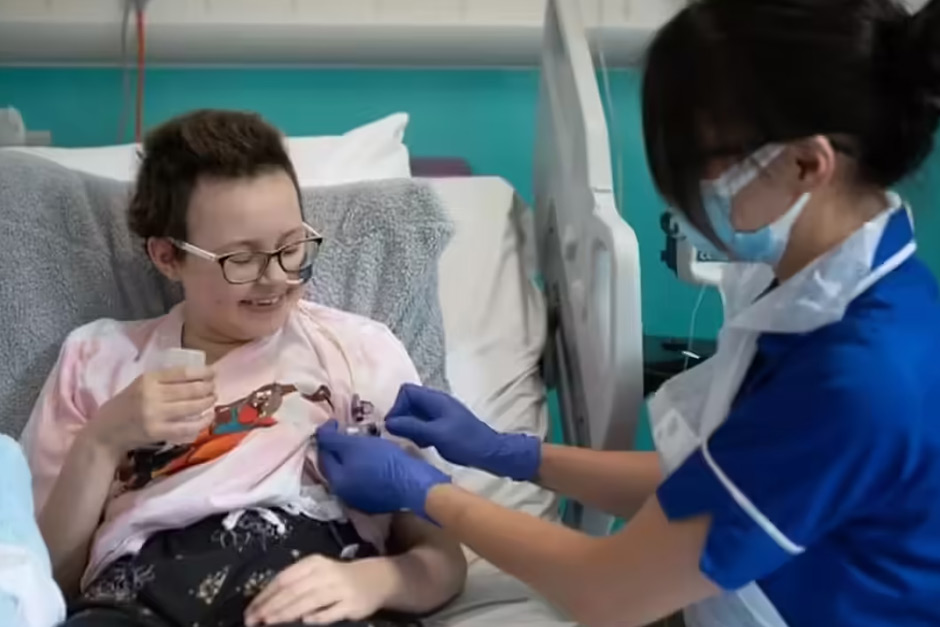
In a monumental stride for medical science, researchers have announced a world-first gene therapy showing unprecedented success in reversing “incurable” forms of leukemia in certain patients. This breakthrough, a beacon of hope for countless individuals worldwide battling aggressive blood cancers, marks a profound shift in how we approach diseases once considered terminal. While still in its early stages of application, the therapy’s potential to fundamentally transform cancer treatment is immense, offering a new frontier in personalized medicine.
Engineering Hope: The Power of CAR T-Cell Therapy
At the heart of this revolutionary treatment lies Chimeric Antigen Receptor (CAR) T-cell therapy. This innovative approach involves a sophisticated process where a patient’s own immune cells, specifically T-cells, are extracted and genetically re-engineered in a laboratory. These modified T-cells are equipped with special receptors – the CARs – that enable them to identify and attack cancer cells with remarkable precision. Once infused back into the patient, these “super-soldier” T-cells multiply and launch a targeted assault on the leukemia, essentially turning the body’s own defense system into a potent weapon against the disease.
The success stories emerging from clinical trials are nothing short of miraculous. Patients, many of whom had exhausted all conventional treatment options like chemotherapy, radiation, and even stem cell transplants, have experienced complete remission. For conditions such as aggressive B-cell acute lymphoblastic leukemia (ALL) and certain types of lymphoma, which often carry a grim prognosis, this therapy has not just prolonged life but, in many cases, achieved a sustained reversal of the disease. This is a radical departure from traditional treatments, offering a truly personalized “living drug” that adapts and persists within the body to continue its fight.
A Paradigm Shift for Indian Healthcare
The implications of such a breakthrough for a nation like India are particularly significant. Blood cancers, including various forms of leukemia and lymphoma, represent a substantial burden on India’s healthcare system. With a large population and varying access to advanced medical facilities, the prospect of a curative therapy for previously incurable conditions is transformative.
While the therapy is currently complex, expensive, and available only at specialized centers globally, its proven efficacy opens pathways for future development and accessibility within India. Indian oncologists and researchers are keenly observing and engaging with these advancements. The potential for local innovation, the establishment of more specialized CAR T-cell therapy units, and the eventual reduction in costs could democratize access to this life-saving treatment. Imagine a future where an Indian patient, once facing a bleak diagnosis, could have their own cells reprogrammed here, offering a renewed chance at life without the need to travel abroad for care.
Dr. Ananya Sharma, a leading oncologist in Mumbai, remarks, “This gene therapy represents a pivotal moment in oncology. For years, we’ve fought aggressive leukemias with limited success in relapsed cases. To see patients achieve complete remission with their own engineered cells is truly humbling. While accessibility and affordability remain key challenges for India, this breakthrough ignites immense hope and provides a clear direction for our own research and development in cellular therapies.”
Navigating the Future: Challenges and Opportunities
Despite its astounding success, CAR T-cell therapy is not without its hurdles. The treatment can cause severe side effects, such as cytokine release syndrome (CRS) and neurological toxicities, requiring intensive care and expert management. Furthermore, the manufacturing process is highly individualized and intricate, contributing to its substantial cost, which remains a significant barrier to widespread adoption, especially in an economy like India’s.
The road ahead involves sustained research to mitigate side effects, optimize manufacturing processes, and explore its application in other cancer types. For India, the opportunity lies in fostering domestic research and development, building indigenous capabilities for CAR T-cell production, and developing robust regulatory frameworks. Collaborations between public and private sectors, academic institutions, and international partners will be crucial to making such advanced therapies affordable and accessible to a broader patient base. This global breakthrough serves as a powerful reminder of the relentless pursuit of medical innovation and its profound potential to rewrite the narratives of disease and despair into stories of hope and healing.

