


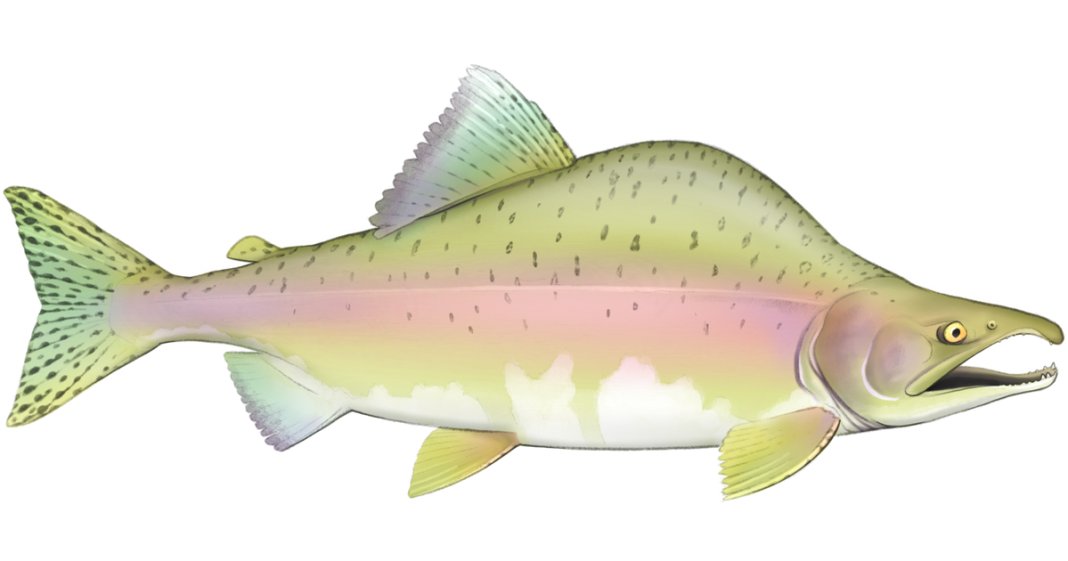
The story of salmon in a warming world often sounds like a tragedy. Iconic species face dwindling numbers, their ancient migratory paths disrupted by changing ocean currents and increasingly warm, low-oxygen rivers. It’s a stark reminder of climate change’s ecological toll. Yet, amidst these grim forecasts, one species of Pacific salmon is not just surviving but thriving, often increasing in abundance: the unassuming pink salmon. These remarkable fish, often overlooked in favor of their larger, more famous cousins, are writing an unexpected chapter of resilience against the odds.
The Agile Two-Year Cycle: A Built-In Advantage
One of the most significant factors in the pink salmon’s success is its remarkably consistent and rapid life cycle. Unlike other salmon species that can spend multiple years in freshwater or the ocean, pink salmon (Oncorhynchus gorbuscha) adhere to a strict two-year life span. They hatch in freshwater streams, migrate to the ocean for roughly 18 months, and then return to spawn and die, completing their cycle. This means that every odd-numbered year sees one distinct population, and every even-numbered year another. This rapid turnover is a powerful advantage in a volatile climate.
Imagine a river that experiences an unusually warm summer, making conditions difficult for juvenile salmon. For species with longer freshwater residency, a single bad year can decimate an entire generation. Pink salmon, however, quickly cycle through. If one odd-year brood struggles, the next odd-year brood two years later gets a fresh start, potentially in better conditions. This quick succession allows them to more readily adapt to intermittent environmental stressors, essentially “dodging” sustained periods of unfavorable climate conditions that can cripple longer-lived species.
Masters of Resourcefulness and Adaptation
Beyond their speedy life cycle, pink salmon exhibit a remarkable degree of flexibility and opportunism that makes them perfectly suited for an unpredictable world. They are not picky eaters; while in the ocean, their diet consists primarily of zooplankton and small invertebrates. This broad diet helps them avoid direct competition with other salmon species that might target larger prey fish, giving them a wider range of food sources when resources are scarce.
Their spawning habits also demonstrate incredible adaptability. While many salmon require specific, pristine freshwater habitats, pink salmon are more versatile. They can spawn in a wide variety of freshwater streams, from large rivers to small, ephemeral creeks. Crucially, they are also known to spawn in intertidal zones—the areas where freshwater rivers meet the saltwater ocean and are exposed at low tide. This ability allows them to utilize habitats that other salmon cannot, further reducing competition and providing alternative breeding grounds when traditional upstream areas are compromised by high temperatures or low water levels.
“As local fisherman and conservationist, Mark ‘River’ Riley, puts it, ‘These humpies, they’re just tough. While other salmon are struggling with warmer rivers, the pinks find a way. It’s like they have a secret cheat code for survival.’” This resourcefulness, coupled with their density-dependent population dynamics (meaning when populations are smaller, individual fish grow faster and survive better), allows them to rebound quickly and efficiently.
A Glimmer of Hope, A Lesson in Resilience
The pink salmon’s story is a compelling counter-narrative to the often-bleak discussions surrounding climate change and marine ecosystems. Their success isn’t a silver bullet for all salmon species, nor does it diminish the urgent need for climate action. However, it offers a fascinating case study in ecological resilience and the diverse ways life can adapt to profound environmental shifts.
By understanding the unique biological traits that allow pink salmon to flourish, scientists can gain valuable insights into the mechanisms of adaptation. These agile, opportunistic fish serve as a vibrant reminder that even in the face of immense global challenges, nature possesses an incredible capacity for survival and unexpected triumph.

