


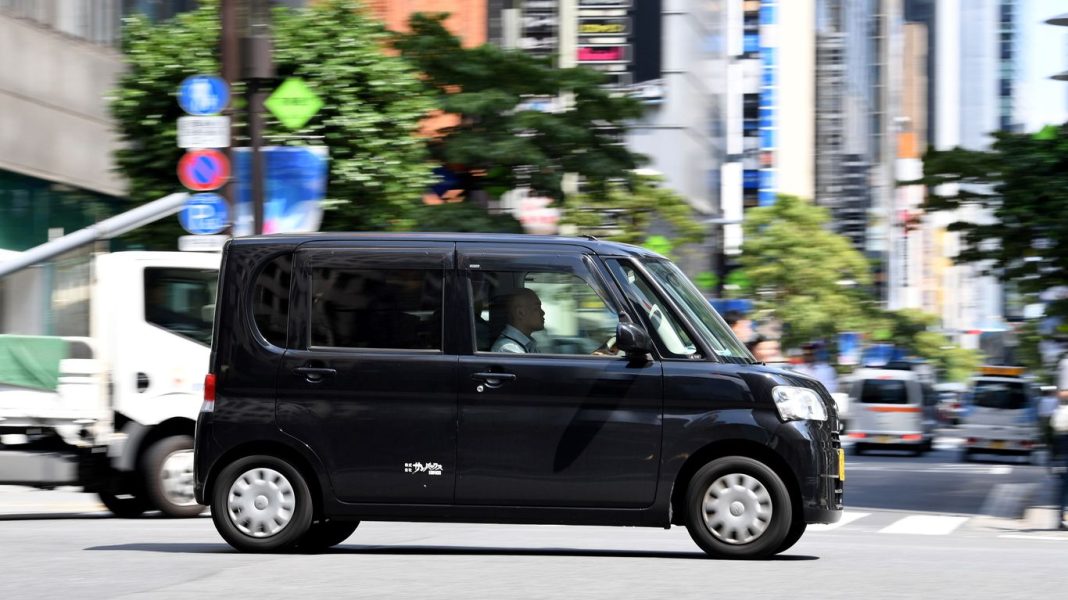
Step onto any bustling street in Europe or Asia, and you’ll likely spot them: a delightful array of tiny, nimble cars zipping through narrow lanes and squeezing into parking spots that seem to defy logic. They’re fuel-efficient, environmentally friendly, and perfectly suited for dense urban environments. So, why, in a country as innovative and diverse as the United States, do these automotive minnows rarely make a splash? It turns out, the reasons are as large and complex as a Ford F-150.
The “Bigger Is Better” Mindset & Infrastructure Mismatch
America has always had a love affair with the grand and the spacious. From expansive suburban homes to supersized sodas, our cultural preference often leans towards the generous. This applies heavily to our vehicles. The utility of a large SUV or a powerful pickup truck resonates with a lifestyle that often involves long commutes, road trips, and hauling everything from groceries to camping gear. Our infrastructure reflects this deeply ingrained preference.
Think about it: our parking spaces are wide, our drive-thrus are built for trucks, and our highways stretch for hundreds, sometimes thousands, of miles. A tiny car, while brilliant for a quick city jaunt, often feels out of place on these vast expanses. There’s a perceived vulnerability, almost an inconvenience, to driving a car designed for urban agility in a landscape built for automotive brawn. As automotive analyst Mark Thompson once put it, “We’re a nation that values capability and presence on the road. A tiny car, for many Americans, just doesn’t fit that psychological bill, regardless of its urban efficiency.”
Navigating the Regulatory Labyrinth and Safety Perceptions
Beyond cultural preferences, the regulatory landscape in the U.S. presents significant hurdles for tiny car manufacturers. American safety standards, set by organizations like the National Highway Traffic Safety Administration (NHTSA), are incredibly stringent. While these regulations are crucial for protecting drivers, they are largely designed around the physics of larger, heavier vehicles and their interaction with common crash scenarios.
For a manufacturer of a lightweight, compact vehicle, meeting these crash test requirements can be an engineering and financial nightmare. It’s not impossible to make a tiny car safe – many European models boast excellent safety ratings in their own right – but adapting them to U.S. standards often requires significant modifications that add weight, complexity, and cost. This makes it difficult for small cars to compete on price, especially when consumers already harbor a strong perception that smaller cars are inherently less safe, particularly when sharing the road with the prevalent trucks and SUVs.
The Practicality Paradox: Comfort, Range, and Cargo
For many Americans, a car isn’t just a way to get from A to B; it’s an extension of their lifestyle. This often means expecting a vehicle to comfortably seat passengers, carry a decent amount of cargo, and cover long distances without a second thought. Tiny cars, by their very design, are often a compromise on these fronts.
While perfect for a solo driver or a couple on a short trip, fitting a week’s worth of groceries, sports equipment, or even carpooling with more than one friend can quickly become a Tetris challenge. Furthermore, the sheer size of the U.S. often means longer commutes and intercity travel. The range anxiety or the sheer discomfort of extended periods in a very compact cabin can deter potential buyers. “Sure, a tiny car is great for zipping around a crowded city, but try fitting a week’s groceries or even a single surfboard in one,” says Sarah Chen, a city dweller who ultimately bought a compact SUV for its versatility.
Ultimately, the challenge of building and selling tiny cars in the U.S. is a multifaceted one, deeply rooted in our culture, infrastructure, and regulatory environment. While the benefits of fuel efficiency and urban maneuverability are undeniable, these advantages often clash with deeply held American expectations for space, utility, and a specific interpretation of safety. Until these foundational elements shift, the American road will likely remain a domain dominated by its larger, more imposing four-wheeled residents.

