


The volatile landscape of the Middle East, perpetually on edge, has once again drawn global attention to the simmering conflict between Israel and Lebanon. While headlines are often dominated by the crisis in Gaza, the northern border of Israel, extending into southern Lebanon, has witnessed a dangerous escalation, raising fears of a wider regional conflagration. For an Indian audience accustomed to nuanced geopolitics, understanding the intricate web of historical grievances, immediate triggers, and proxy dynamics is crucial. Why, then, is Israel attacking Lebanon, and what are the forces driving this precarious dance of deterrence and destruction?
The Shadow of Gaza: A Spillover Conflict
The most immediate and significant catalyst for the recent surge in Israeli military actions in Lebanon can be traced directly to the events of October 7, 2023. Following the unprecedented attacks by Hamas on southern Israel, and Israel’s subsequent large-scale military operation in Gaza, the Lebanese militant group and political party, Hezbollah, intensified its cross-border activities. Hezbollah, a powerful, Iran-backed Shia Islamist organisation, declared solidarity with Hamas and the Palestinian cause.
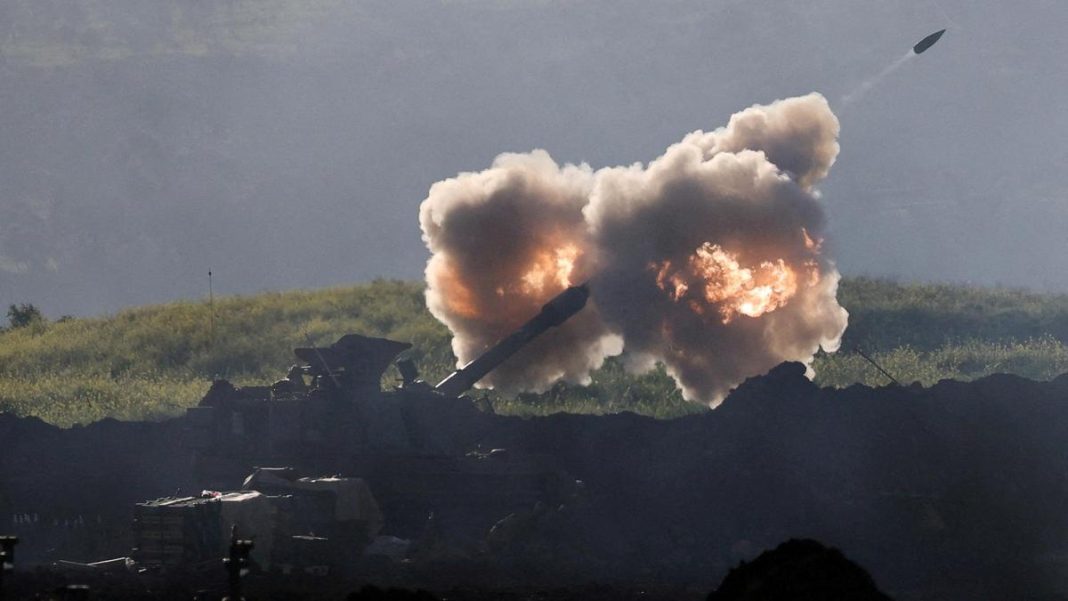
Initially, Hezbollah’s actions were largely symbolic, involving limited rocket fire and anti-tank missile strikes into northern Israel, primarily targeting military positions near the disputed Shebaa Farms area. Israel responded with artillery fire and airstrikes on Hezbollah infrastructure in southern Lebanon. However, as the Gaza conflict deepened, so did the intensity and scope of Hezbollah’s attacks, prompting more aggressive Israeli retaliation. Israel’s stated objective is clear: to push Hezbollah away from its northern border, dismantle its offensive capabilities, and prevent the opening of a significant second front while its forces are engaged in Gaza. This defensive posture, often termed ‘pre-emptive defence’, aims to create a security buffer and deter a larger, more devastating conflict.
Hezbollah’s Role: A State Within a State
Understanding Israeli actions necessitates a deeper look into the nature and power of Hezbollah. Formed in the early 1980s during the Lebanese Civil War and Israel’s occupation of southern Lebanon, Hezbollah evolved from a resistance movement into a formidable military and political entity. Today, it wields significant political influence within Lebanon’s fragile government and possesses a military arsenal that rivals, if not surpasses, that of the Lebanese national army. Iran provides substantial financial, military, and logistical support to Hezbollah, viewing it as a critical proxy in its regional rivalry with Israel and the West.
Hezbollah’s military wing maintains a vast network of tunnels, bunkers, and rocket launch sites in southern Lebanon, often integrated within civilian areas. Its extensive missile and rocket arsenal, including precision-guided munitions, poses a direct and existential threat to Israeli cities and strategic infrastructure. Israel views any Hezbollah aggression as a direct attack orchestrated by Iran, making their response not just against a Lebanese entity, but against a core component of Iran’s regional strategy. This complex dynamic means that Israeli strikes, while ostensibly against Hezbollah, are also a message to Tehran, aiming to deter broader Iranian-backed aggression.
Israel’s Security Doctrine and Regional Dynamics
Israel’s security doctrine is predicated on a strong deterrent capability and the willingness to respond decisively to perceived threats. Its northern border with Lebanon has been a flashpoint for decades, leading to major conflicts in 1982 and 2006. The current attacks are rooted in this long-standing security imperative, aimed at degrading Hezbollah’s capabilities and restoring a sense of security for its northern communities, many of which have been evacuated.
The situation is further complicated by the broader regional power struggles. The ongoing geopolitical chess game involves not just Israel, Lebanon, and Iran, but also global powers and regional Arab states. For India, a nation with significant interests in regional stability and a large diaspora in the Gulf, the escalation is concerning. India has consistently advocated for de-escalation, adherence to international law, and peaceful resolution of disputes. As Dr. C. Raja Mohan, a prominent Indian strategic affairs analyst, recently remarked, “The spillover from Gaza into Lebanon is a dangerous testament to the interconnectedness of regional conflicts. Both sides are treading a fine line between deterrence and full-scale war, with potentially catastrophic consequences for the entire region.” This precarious balance highlights the tightrope walk involved for all actors, including the international community, in preventing a full-blown regional conflict.
The Israeli attacks on Lebanon are not isolated incidents but rather a complex interplay of immediate reactions to Hezbollah’s actions, long-standing security concerns, and the wider geopolitical landscape of the Middle East. While Israel aims to neutralise threats from its northern border, the presence of a powerful, Iranian-backed non-state actor like Hezbollah ensures that the cycle of violence remains perilously close to spiralling out of control. The path to de-escalation demands not only restraint from all parties but also concerted diplomatic efforts from the international community to address the fundamental grievances and security imperatives that fuel this protracted conflict.

