


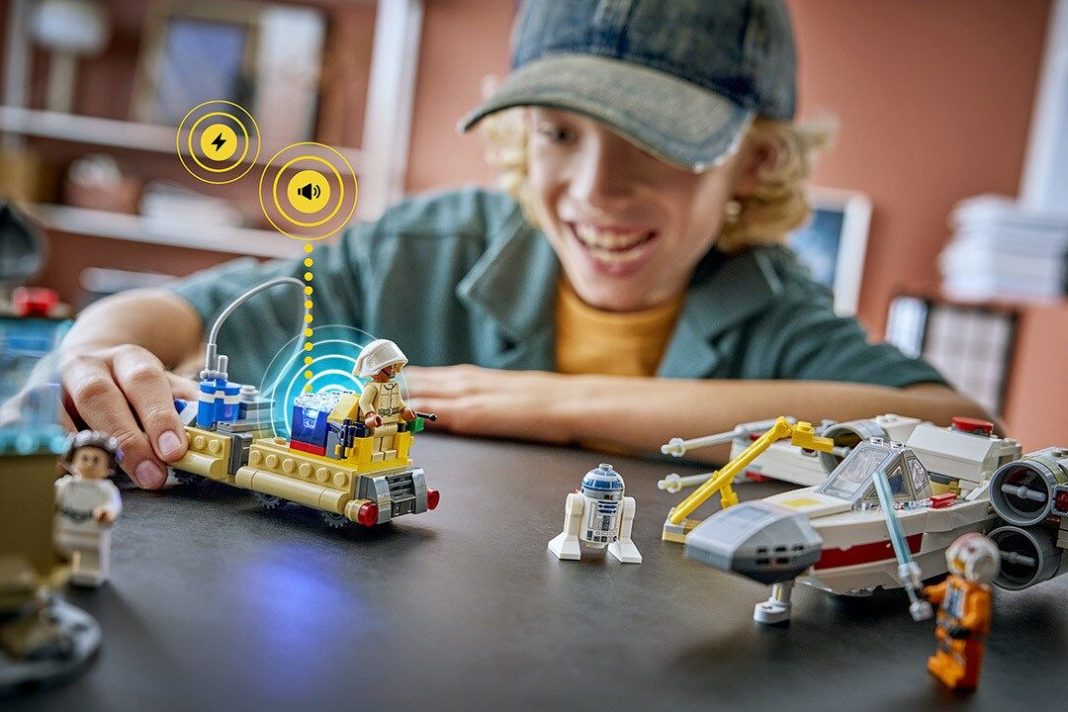
Lego. The name conjures images of boundless creativity, colorful bricks, and the satisfying click of pieces fitting together. For decades, it’s been a symbol of open-ended play. So, when a new Lego product causes widespread disquiet among its most ardent fans and the wider tech community, it’s worth paying attention. The culprit? The “Smart Brick,” specifically the programmable hub at the heart of sets like Lego Education SPIKE Prime and the new Mindstorms Robot Inventor.
The Shift: From Open Playground to a Curated Experience?
For years, Lego’s programmable robotics kits, like Mindstorms EV3, were celebrated not just for their educational value but for their remarkable openness. They were a hacker’s delight, supporting various programming languages, boasting extensive third-party documentation, and fostering a vibrant community of modders and independent developers. You could build almost anything, and program it almost any way you wanted. It was true to the Lego spirit of “build anything.”
Enter the newer Smart Brick. On the surface, it’s a sleek, powerful piece of tech, bringing new sensors, motors, and Bluetooth connectivity. The initial appeal was clear: easier entry for younger users, streamlined programming interfaces, and a modern aesthetic. Yet, beneath the polished exterior, a growing number of enthusiasts, educators, and robotics competitors began to feel a significant shift. The ease of use for beginners, it seemed, came at a cost to the advanced user and the creative freedom that defined previous generations.
The Core Grievances: A Walled Garden for Creativity
The primary source of discontent revolves around the Smart Brick’s perceived lack of openness and its heavy reliance on proprietary software. Unlike its predecessors, which offered rich documentation and welcomed third-party development, the new Smart Brick system feels more like a “walled garden.”
Proprietary Software Lock-in: The brick primarily communicates with a specific, officially sanctioned app. This dependency raises concerns about longevity and future compatibility. What happens if the app is no longer updated or supported years down the line?
Limited Programming Options: While it offers Scratch-based programming and some Python support, it lacks the broader ecosystem of languages and low-level access that made the EV3 a favorite among serious robotics enthusiasts and educational institutions.
Reduced Third-Party Support: The difficulty in reverse-engineering or obtaining official SDKs means a significant barrier for independent developers and the creative community that thrives on extending Lego’s functionality. This stifles the innovation that often comes from outside the corporate walls.
“It feels like Lego is telling us how to play, rather than truly giving us the tools to build our own worlds and push the boundaries,” remarked one long-time robotics competition coach, expressing a sentiment echoed across forums and social media. “The joy of Lego was always in its infinite possibilities, and this smart brick feels like it’s imposing limits rather than removing them.”
This isn’t merely about technical specifications; it’s about a philosophical clash. Lego has always been synonymous with ultimate creative freedom. For many, the Smart Brick, despite its advanced features, seems to subtly undermine that core promise by creating a more closed and controlled environment.
Finding Balance in the Smart Brick Era
The uproar over the Lego Smart Brick highlights a common challenge for companies in the modern age: how to innovate for a new generation without alienating the loyal, often advanced, user base that built the brand’s reputation. Lego’s aim to make robotics more accessible is understandable and laudable. However, the path chosen has inadvertently created friction with those who value deep programmability and open-source opportunities.
The debate around the Smart Brick is a vivid reminder that “smart” doesn’t always mean “better” for every user, especially when it comes at the expense of creative autonomy and community-driven innovation. As technology continues to integrate into our play, the conversation around openness, longevity, and true creative freedom will remain crucial for brands like Lego, ensuring the spirit of boundless possibility endures.

