


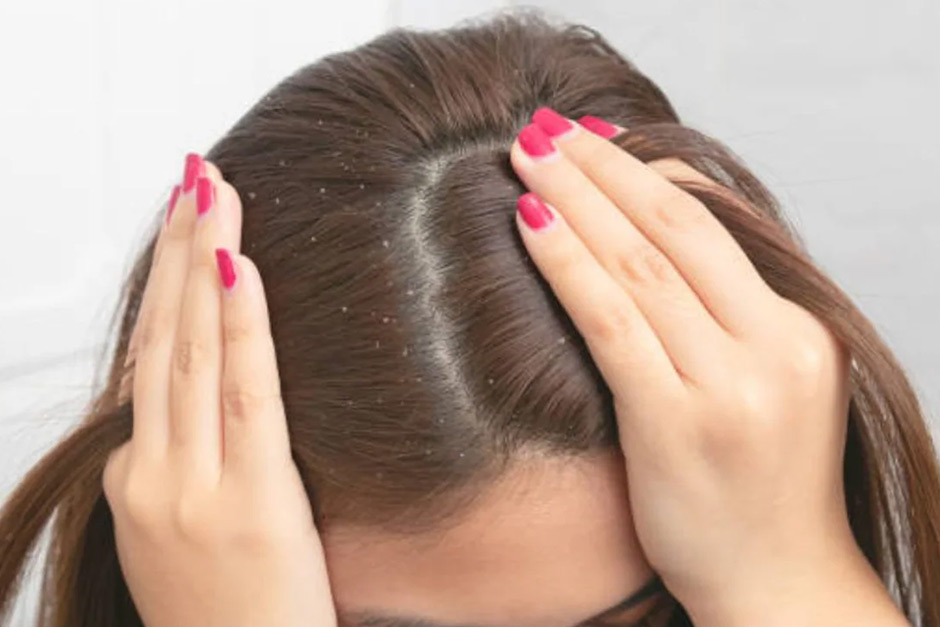
As winter’s crisp embrace settles over India, bringing with it the festive spirit and cozy evenings, it often ushers in an unwelcome guest for many: dandruff. That persistent itch, the tell-tale white flakes dusting shoulders – it’s a common winter woe that can dampen anyone’s confidence. While dandruff is a year-round concern for some, its noticeable surge during the colder months isn’t just a coincidence; it’s a direct interplay between our environment, lifestyle, and scalp health. Understanding this connection is the first step towards achieving a flake-free, healthy scalp even when the mercury drops.
Unpacking the Winter-Dandruff Dynamic
The primary culprit behind dandruff, a common condition affecting nearly half the adult population, is a yeast-like fungus called Malassezia globosa. This microorganism naturally resides on our scalps, feeding on sebum (the natural oils produced by our skin). While usually harmless, an overgrowth of Malassezia can trigger an inflammatory response, leading to accelerated skin cell turnover, irritation, and the characteristic flakes we associate with dandruff.
So, why does winter specifically provide a fertile ground for this fungus to flourish, or at least for its symptoms to become more pronounced? The answer lies in several interconnected factors:
Dry Air and Dehydration: Winter brings significantly lower humidity levels, both outdoors and indoors (thanks to heaters). This dry air strips moisture not just from our skin but also from our scalp, leading to dehydration. A dry scalp becomes itchy, flaky, and more susceptible to irritation, often exacerbating existing dandruff or triggering new episodes. The scalp’s natural barrier function can be compromised, making it easier for irritants and microbes to cause issues.
Hot Showers and Hair Washing Habits: The allure of a long, hot shower is undeniable in winter. However, excessively hot water can further strip the scalp of its natural oils, disrupting its delicate pH balance and contributing to dryness. Furthermore, some individuals may reduce their hair washing frequency to avoid the cold, leading to an accumulation of oil, dead skin cells, and product residue – all of which are a feast for Malassezia.
Headwear and Trapped Heat: While caps and scarves offer warmth, continuously covering the head can create a warm, moist environment underneath, ideal for fungal proliferation. Trapped sweat and oil can also contribute to scalp irritation and bacterial growth, worsening dandruff symptoms.
Dr. Priya Sharma, a leading trichologist based in Mumbai, explains, “Many patients come to us in winter complaining of increased flaking and itchiness. It’s often a combination of environmental dryness and changes in hair care routines. The scalp, much like the skin on our face, reacts to changes in humidity and temperature. It’s crucial to understand that simply being dry doesn’t always mean you have dandruff, but dryness can certainly aggravate a predisposed scalp.”
Smart Scalp Care: Your Winter Defence Strategy
Preventing and managing winter dandruff requires a proactive and consistent approach. It’s about creating a balanced environment for your scalp that discourages fungal overgrowth and maintains hydration.
Gentle Cleansing and Hydration
The foundation of smart scalp care begins with your washing routine. Opt for a mild, sulfate-free shampoo that cleanses without stripping natural oils. While hot showers feel comforting, try to use lukewarm water for your hair wash to prevent excessive drying. Adjust your washing frequency; for most, washing every 2-3 days is sufficient, but those with oilier scalps might need more frequent washes. Ensure you rinse thoroughly to remove all product residue.
Hydration is key. Incorporate natural hair oils like coconut oil, almond oil, or jojoba oil into your routine. A gentle pre-shampoo massage with warm oil can help nourish the scalp, improve blood circulation, and reduce dryness. Look for shampoos and conditioners specifically designed for ‘dry scalp’ or ‘dandruff’ that contain moisturizing agents like aloe vera or glycerin.
Targeted Treatment and Lifestyle Adjustments
If regular care isn’t enough, consider incorporating an anti-dandruff shampoo into your routine. These often contain active ingredients like zinc pyrithione, selenium sulfide, ketoconazole, or salicylic acid. It’s important to follow the instructions, often leaving the shampoo on for a few minutes to allow the active ingredients to work. Some experts recommend rotating between shampoos with different active ingredients to prevent the fungus from developing resistance.
Beyond products, lifestyle choices play a significant role. A balanced diet rich in omega-3 fatty acids, B vitamins, and zinc can support overall skin and scalp health. Staying well-hydrated by drinking plenty of water is equally important. Manage stress, as it can worsen various skin conditions, including dandruff. Regularly clean your combs and brushes to prevent the transfer of dirt and oils back to your scalp. And while headwear is necessary in winter, ensure it’s clean and allow your scalp to breathe occasionally.
Winter doesn’t have to mean a season of flakes and discomfort. By understanding the unique challenges the colder months pose to your scalp and adopting a smart, consistent care routine, you can maintain a healthy, hydrated, and dandruff-free scalp, allowing you to fully enjoy the season’s charms.

