


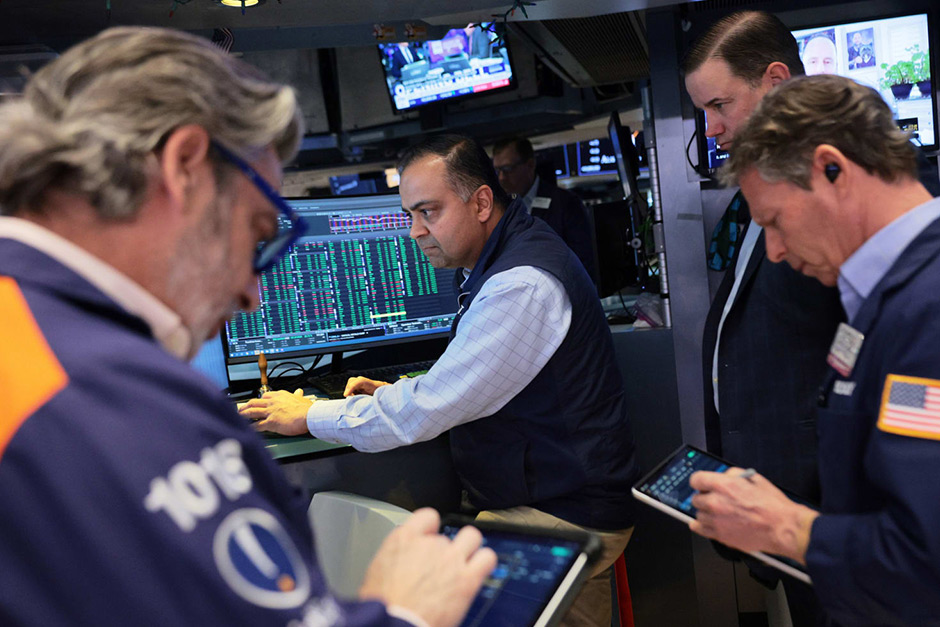
There’s a palpable tension in the air, a nervous twitch that’s been making its way through trading desks globally. If you’ve glanced at stock futures lately, you’ve seen the red, a clear indicator of discomfort among investors. The reason? Everyone is glued to the unfolding news out of the U.S. and Iran, and the implications for global stability and, by extension, our portfolios, are unsettling.
The Immediate Market Chill: Risk Off, Fast
When stock futures fall, it’s essentially the market whispering – or rather, shouting – its expectation of a lower open for major indices. It’s a preemptive move, a collective sigh of apprehension. Traders, known for their swift reactions, are doing what they do best: de-risking. This isn’t just a minor blip; it’s a significant shift in sentiment, pushing investors away from growth-oriented assets and towards traditional safe havens.
We’re seeing capital flow into assets like gold, which often shines brightest during times of uncertainty, and government bonds, which offer perceived stability. The Japanese Yen, another classic refuge currency, also tends to strengthen in these moments. Why the sudden scramble? Because the geopolitical landscape has shifted dramatically, introducing a level of unpredictability that markets despise. When the headlines are dominated by escalating tensions in a critical region, the first instinct for many is to protect capital, not deploy it.
Geopolitics Meets Portfolio: Why Iran News Hits So Hard
The Middle East, and Iran specifically, holds a unique and powerful sway over global markets for several critical reasons. The most obvious is oil. Iran’s strategic location, particularly its proximity to the Strait of Hormuz, a choke point for a significant portion of the world’s oil supply, means any disruption there can send crude prices soaring. Higher oil prices act like a tax on consumers and businesses alike, dampening economic activity and fueling inflationary fears. This is a nightmare scenario for corporate earnings and economic growth prospects.
Beyond oil, there’s the broader specter of regional instability. A wider conflict could disrupt trade routes, strain supply chains, and diminish consumer confidence globally. Companies with international operations, particularly those reliant on global shipping or with exposure to the region, face immediate headwinds. The ripple effects can be far-reaching, turning what might seem like a localized conflict into a global economic headache.
As one senior analyst recently remarked, “It’s not just about the immediate impact of oil anymore. It’s about the pervasive fear that sustained geopolitical instability could derail an already fragile global growth story, forcing central banks into difficult positions and choking off investment.” This sentiment perfectly encapsulates the anxiety permeating the market – it’s the unknown variables, the potential for escalation, and the long-term economic scarring that truly worry traders.
What Traders Are Watching Now
The market’s current trajectory is a direct mirror of the headlines. Traders are not just watching for updates; they’re dissecting every statement, every diplomatic maneuver, every military movement. The focus is on de-escalation, or conversely, any signs that tensions could flare further. The volatility is unlikely to subside until there’s a clearer picture of the path forward. This isn’t a market driven by fundamentals or earnings reports; it’s a market held hostage by the geopolitical chess match unfolding on the world stage.
In essence, the falling stock futures are a stark reminder that in our interconnected world, global events have immediate and profound impacts on our financial well-being. Traders are holding their breath, hoping for calm, but preparing for anything.

