


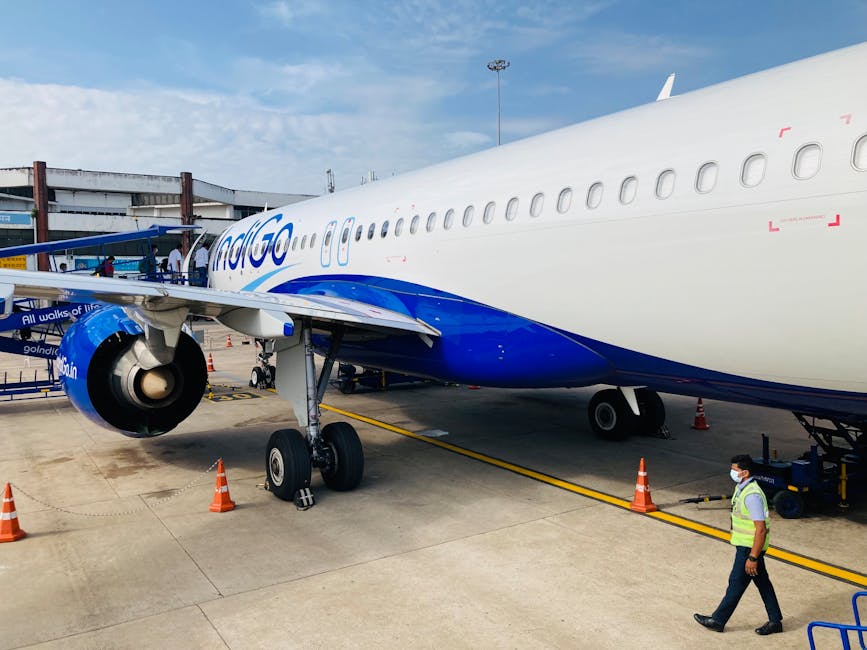
The skies over India, once bustling with the characteristic punctuality of IndiGo, have recently seen a noticeable shift. An increasing number of flight cancellations and significant delays across the airline’s vast network have left countless passengers stranded, frustrated, and questioning the reliability of the nation’s largest carrier. While a single cancelled flight might be an inconvenience, a trend points towards a deeper systemic issue. So, why exactly are IndiGo flights being grounded, and what does this widespread disruption signify for India’s aviation landscape?
The Persistent Hum of Engine Trouble: Pratt & Whitney’s Shadow
At the heart of IndiGo’s operational woes lies a critical technical issue concerning the Pratt & Whitney (P&W) geared turbofan (GTF) engines. These engines power a significant portion of IndiGo’s Airbus A320neo and A321neo fleet, which forms the backbone of its operations. For several years, these GTF engines have been plagued by known reliability issues, including premature wear of certain components, specifically the high-pressure compressor (HPC) blades and low-pressure turbine (LPT) sections.
While P&W has been working on fixes and modifications, the problem has escalated. A particular batch of these engines requires accelerated inspections and replacements due to a manufacturing defect identified in a powdered metal component. This has necessitated the grounding of a substantial number of aircraft – estimates suggest upwards of 70 IndiGo aircraft are currently out of service, awaiting engine replacements or extensive maintenance. Such a large proportion of a fleet being unavailable inevitably cripples an airline’s ability to adhere to its published schedule, leading directly to the wave of cancellations.
A Cascade of Operational Challenges and Supply Chain Bottlenecks
The engine issues, while primary, are compounded by a confluence of other factors that create a perfect storm for operational instability. The global aviation industry is still reeling from post-pandemic supply chain disruptions. Getting spare parts, including critical engine components, is no longer a swift process. Manufacturers are struggling to keep up with demand, leading to significant delays in turnaround times for repairs and overhauls.
Moreover, the availability of Maintenance, Repair, and Overhaul (MRO) facilities and skilled technicians is another bottleneck. With multiple airlines globally facing similar P&W engine issues, MRO slots are heavily booked, and the specialized expertise required for these complex engines is in high demand. This extends the time an aircraft spends on the ground, further exacerbating the “Aircraft on Ground” (AOG) situation. IndiGo, like many other airlines, finds itself in a challenging position, trying to manage a rapidly expanding fleet while simultaneously grappling with unprecedented maintenance demands and a constrained ecosystem of support services.
An aviation analyst, speaking on the broader industry context, observed, “The P&W GTF engine issue isn’t exclusive to IndiGo; it’s a global challenge impacting airlines operating the A320neo family. However, given IndiGo’s sheer size and reliance on this specific engine type, the impact on its operations and subsequently on Indian air travel is far more pronounced.”
Navigating the Turbulence: IndiGo’s Response and Passenger Impact
In response to the crisis, IndiGo has been actively working on mitigation strategies. These include aggressively accelerating the delivery of new Airbus aircraft, which typically come equipped with the latest engine modifications or alternative engine options (CFM LEAP engines for some A320neos). The airline is also exploring wet-leasing aircraft from other carriers to temporarily boost capacity and reduce cancellations. Efforts are underway to streamline its own MRO capabilities and work closely with P&W to expedite engine repairs and replacements.
However, the immediate impact on passengers remains significant. Frequent cancellations lead to last-minute travel plan changes, missed connections, and often, higher rebooking costs. The economic ripple effect on business travelers, tourists, and families is considerable. Beyond the monetary aspect, the erosion of trust and confidence in the airline’s schedule reliability is a long-term challenge that IndiGo must address. The Directorate General of Civil Aviation (DGCA) is closely monitoring the situation, ensuring passenger rights are upheld and airlines adhere to safety and operational standards.
The current turbulence faced by IndiGo is a complex interplay of specific engine technology challenges, global supply chain fragilities, and MRO capacity constraints. While the airline is taking steps to navigate this crisis, a comprehensive resolution will likely take time. For the Indian aviation sector, this situation underscores the critical need for diversified fleet strategies, robust MRO infrastructure, and resilient operational planning to ensure that the skies remain clear for millions of travelers.

