


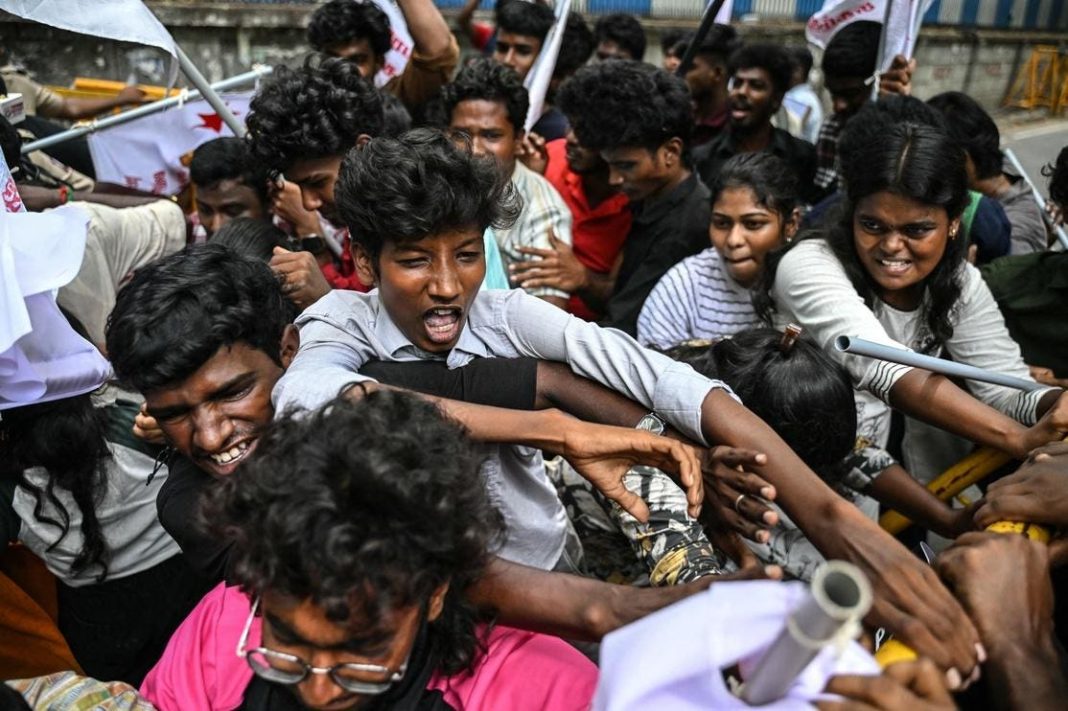
In the bustling digital landscape of India, where trends ignite and spread like wildfire, a peculiar and thought-provoking phenomenon has captured the attention of the nation’s youth: the viral emergence of the ‘Cockroach’ Protest Party. Far from a conventional political outfit, this movement represents a growing, often humorous yet deeply serious, form of dissent among young Indians. It’s an unconventional banner under which a generation expresses its frustrations, aspirations, and a defiant sense of resilience against perceived systemic neglect.
The Genesis of a Viral Metaphor
The “Cockroach Protest Party” is less a formal organisation and more a collective identity that coalesced organically through social media. The moniker itself is a stark, self-deprecating metaphor. It symbolises the persistent, often overlooked, and seemingly insignificant yet ubiquitous presence of ordinary citizens, particularly the youth, who feel resiliently present despite efforts to ignore or marginalise them. Like cockroaches, they are perceived to survive, adapt, and persist in challenging environments, often in the shadows, yet undeniably present.
This identity quickly resonated across various online platforms, from Instagram reels to WhatsApp forwards and X (formerly Twitter) hashtags. Memes depicting a lone cockroach navigating a complex, often broken, system became shorthand for shared grievances. The shift from purely digital chatter to subtle, real-world manifestations—like symbolic gatherings, wearing specific, understated colours, or leaving small, symbolic representations in public spaces—indicates a transition from online virality to a nascent, albeit unconventional, form of collective action. This movement isn’t about traditional rallies or fiery speeches; it’s about a quiet, persistent, and often ironic presence that demands acknowledgement.
Decoding the Youth’s Discontent
The burgeoning popularity of the ‘Cockroach’ identity among young Indians is a potent symptom of deeper socio-economic and political frustrations. At its core, the movement taps into a pervasive sense of disenchantment. India’s youth, a demographic powerhouse, often grapple with severe challenges:
- Unemployment and Underemployment: Despite possessing degrees and skills, many find themselves struggling to secure meaningful and well-paying jobs, leading to widespread disillusionment. The promise of economic growth often feels distant to those navigating a competitive job market with limited opportunities.
- Rising Cost of Living: Inflationary pressures and escalating living expenses squeeze disposable incomes, making it harder for young people to achieve financial independence or build a stable future.
- Perceived Political Disenfranchisement: There’s a growing sentiment that traditional political structures and leaders are unresponsive to the unique challenges and perspectives of the younger generation. Their voices often feel unheard or dismissed in mainstream discourse.
- Systemic Barriers: Issues like corruption, bureaucratic hurdles, and a perceived lack of meritocracy in various sectors contribute to a feeling of being stuck or unable to progress despite their efforts.
“The ‘Cockroach’ persona allows young people to ironically embrace their perceived insignificance while simultaneously asserting their undeniable presence and resilience,” explains Dr. Anjali Sharma, a sociologist studying youth movements. “It’s a subtle but powerful act of reclaiming agency in a system where they often feel powerless. They might be small, but they are everywhere, and they are not going away.” This sentiment highlights how the youth are leveraging satire and a unique form of self-identification to articulate their struggles and demand attention.
Beyond the Buzz: A New Language of Protest?
The ‘Cockroach’ Protest Party, while unconventional, signals a significant evolution in youth activism. Unlike previous generations that might have gravitated towards organised student unions or formal political parties, today’s youth often prefer decentralised, digitally driven, and symbolically rich forms of protest. This approach allows for greater inclusivity, lower entry barriers, and a degree of anonymity that can be appealing in a politically charged environment.
Its impact, though not measured in conventional metrics like protest attendance, lies in its ability to spark conversations, foster solidarity among disparate groups, and subtly challenge the status quo. Whether it evolves into a more structured movement or remains a viral expression of collective sentiment, the ‘Cockroach’ Protest Party offers a fascinating glimpse into the ingenious ways India’s youth are finding their voice and demanding their place in the national narrative. It underscores a generation’s determination to persist, adapt, and ultimately, be seen, even if they must metaphorically scuttle their way into the public consciousness.
The viral spread of the ‘Cockroach’ Protest Party is more than just an internet trend; it is a resonant echo of a generation finding its unique vocabulary for resistance and resilience in contemporary India. Its growth is a clear indicator that beneath the surface of digital virality lies a profound desire for change, recognition, and a voice in shaping their own future.

