


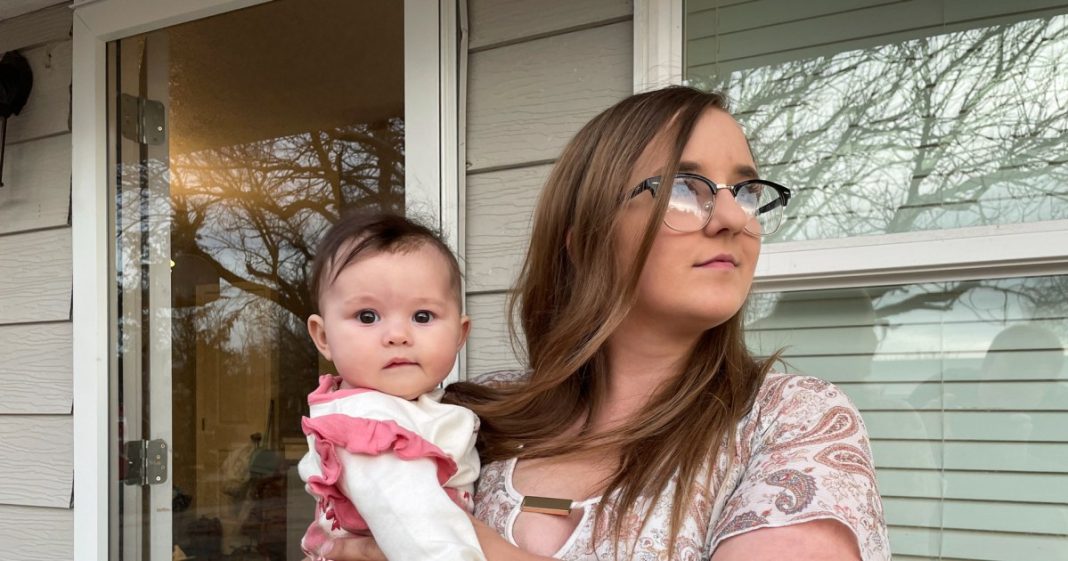
Once a ghost of the past, a disease largely relegated to history books thanks to effective vaccines, whooping cough is making a troubling comeback. Public health officials and medical professionals are sounding the alarm: cases of pertussis, commonly known as whooping cough, are on the rise. And the reason is clear – a concerning dip in childhood vaccination rates. It’s a trend that impacts not just individuals, but entire communities, threatening to undo decades of progress.
What Makes Whooping Cough So Dangerous?
Pertussis isn’t just a bad cough; it’s a highly contagious bacterial infection that attacks the respiratory system. For adults, it can mean weeks of debilitating coughing fits, sometimes severe enough to cause broken ribs or exhaustion. But for infants and young children, whooping cough can be deadly. Before the widespread use of the pertussis vaccine, it was a leading cause of childhood mortality.
The characteristic “whoop” sound occurs as a child gasps for breath after a violent coughing spasm. These episodes can be so intense that babies struggle to breathe, turn blue, or even stop breathing temporarily. They may also suffer from pneumonia, seizures, or brain damage due to lack of oxygen. What’s especially frightening is that young infants are often too young to have completed their full course of vaccinations, making them entirely dependent on the immunity of those around them – a concept known as “herd immunity.” Their tiny, vulnerable lungs simply aren’t equipped to handle the relentless assault of this disease, making community protection their only real defense.
The Unraveling of Herd Immunity: Why Shots Matter
For decades, vaccines have been the bedrock of public health, dramatically reducing the incidence of diseases like whooping cough. The DTaP vaccine, which protects against diphtheria, tetanus, and pertussis, has been incredibly effective. However, a confluence of factors – from vaccine misinformation and hesitancy to a sense of complacency born from the very success of vaccines – has led to a noticeable decline in vaccination coverage in many areas. This isn’t just a local issue; it’s a pattern emerging in various communities, creating pockets of vulnerability.
When fewer people are vaccinated, the protective shield of herd immunity weakens. This means that if whooping cough enters a community with low vaccination rates, it can spread rapidly, finding unprotected individuals with ease. It’s not just about personal choice; it’s about collective vulnerability, particularly for those who can’t be vaccinated due to age or medical conditions. As one concerned parent, Sarah Jenkins, recently shared, “I vaccinated my kids because I remember stories from my grandparents about polio and measles. I can’t imagine knowingly putting my child, or someone else’s baby, at risk when there’s a safe way to prevent such a terrible illness.” Her sentiment highlights the shared responsibility inherent in public health and the deep-seated fear many parents feel about preventable diseases making a comeback.
The consequences of this decline are already being seen in increased outbreaks. These aren’t isolated incidents; they are direct results of a drop in the collective immunity that once kept these diseases at bay. It’s a stark reminder that while the threat might seem distant, these preventable diseases are always lurking, ready to resurface when we let our guard down and fail to maintain robust vaccination coverage.
The resurgence of whooping cough serves as a powerful, unsettling reminder of the delicate balance between individual health decisions and community well-being. Vaccines aren’t just a medical intervention; they’re a societal tool, a collective defense against serious infectious diseases. As whooping cough continues its unwelcome ascent, it calls on us to re-evaluate our understanding of public health, to counter misinformation with facts, and to remember the critical role vaccination plays in protecting the most vulnerable among us. Let’s ensure that whooping cough remains a historical footnote, not a present danger.

