


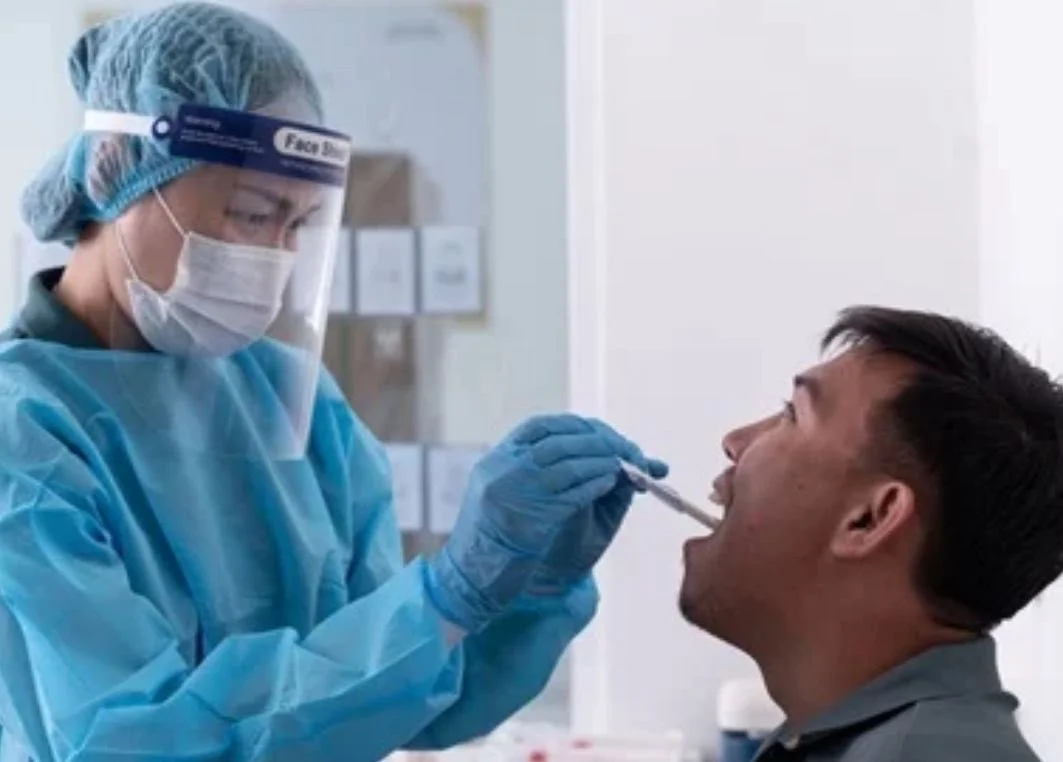
Tuberculosis (TB), an ancient and persistent scourge, continues to cast a long shadow over global public health, claiming millions of lives annually. While treatment has advanced, timely and accurate diagnosis remains the cornerstone of effective control. Recognizing this, the World Health Organization (WHO) has unveiled updated guidelines, recommending innovative diagnostic tools poised to revolutionize TB detection. These recommendations offer renewed hope and enhanced capabilities, particularly for high-burden nations like India.
Advancing the Arsenal: WHO’s New Diagnostic Recommendations
For decades, TB diagnosis primarily relied on sputum smear microscopy – a method with low sensitivity, especially in vulnerable populations. This often led to delayed diagnoses and continued transmission. The WHO’s latest recommendations mark a pivotal shift, advocating for a significant move away from this conventional method towards more sophisticated, rapid, and accurate molecular and AI-based tools.
The new guidelines champion the widespread adoption of rapid molecular tests such as Xpert MTB/RIF and Truenat as the initial diagnostic for virtually all individuals suspected of pulmonary TB. These tests offer unprecedented speed, providing results within hours, and crucially, can simultaneously detect drug resistance to rifampicin, a first-line TB drug. This capability is vital for initiating appropriate treatment without delay, preventing the spread of drug-resistant strains. Furthermore, the WHO now strongly recommends computer-aided detection (CAD) software for chest X-rays as a screening tool, particularly in resource-limited settings. CAD, powered by artificial intelligence, can rapidly analyze X-ray images, identifying potential TB cases with high accuracy, streamlining the diagnostic pathway and reaching more people in community screenings.
India’s Accelerated Fight: A Critical Juncture
India shoulders nearly 28% of the global TB burden and is steadfast in its ambitious goal to eliminate the disease by 2025. This target, five years ahead of global Sustainable Development Goals, necessitates robust strategies and cutting-edge tools. The WHO’s new diagnostic recommendations are therefore not just global advisories but powerful reinforcements for India’s ongoing National Tuberculosis Elimination Program (NTEP).
The enhanced sensitivity and speed of rapid molecular tests are particularly impactful in India’s diverse demographic and geographical landscape. Early and accurate diagnosis, especially of drug-resistant TB (DR-TB), remains a critical challenge. India has been progressively integrating molecular tests into its diagnostic network, and the WHO’s endorsement further solidifies their importance. These tools enable clinicians to quickly identify individuals requiring complex treatment for DR-TB, significantly improving patient outcomes and curbing further transmission. The emphasis on AI-powered chest X-ray screening can also transform large-scale community outreach, allowing efficient pre-screening in rural and underserved areas where laboratory access might be limited.
Dr. Rakesh Sharma, a senior public health official involved with India’s NTEP, recently commented: “These WHO guidelines provide a crucial impetus to our mission. Rapid, precise diagnostics are the bedrock of our ‘TB Mukt Bharat’ vision. By adopting these advanced tools more widely, we can identify cases faster, initiate tailored treatment sooner, and ultimately break the chain of transmission more effectively, bringing us closer to our 2025 elimination goal.”
Overcoming Hurdles: Implementation and Equity
While the promise of these new diagnostic tools is immense, their effective implementation, particularly in a country of India’s scale, comes with inherent challenges. Ensuring equitable access remains paramount. The cost of advanced molecular platforms and CAD software, along with the need for trained personnel to operate and maintain them, requires significant investment. Infrastructure development, especially in remote areas, is another critical factor. India’s NTEP has made considerable strides in decentralizing molecular testing, yet continuous funding, capacity building, and robust supply chains are essential to scale up these technologies nationwide.
Integrating these sophisticated tools seamlessly into existing healthcare systems, from primary health centres to tertiary care hospitals, demands careful planning and execution. It’s not just about deploying technology, but about ensuring that every suspected TB case, regardless of their socio-economic status or geographical location, has access to the best available diagnostic. Success hinges on strong political will, sustained financial commitment, and innovative partnerships between government, civil society, and the private sector to bridge current gaps in access.
The World Health Organization’s latest recommendations for TB diagnostics represent a significant leap forward in the global fight against tuberculosis. By championing rapid, accurate, and accessible tools, WHO provides a clear pathway towards more effective disease control and elimination. For India, these guidelines offer powerful reinforcement to its ambitious elimination goals. While implementation challenges persist, the potential for these innovations to transform public health outcomes and save countless lives is undeniable, heralding a new era of hope in the persistent battle against TB.

