


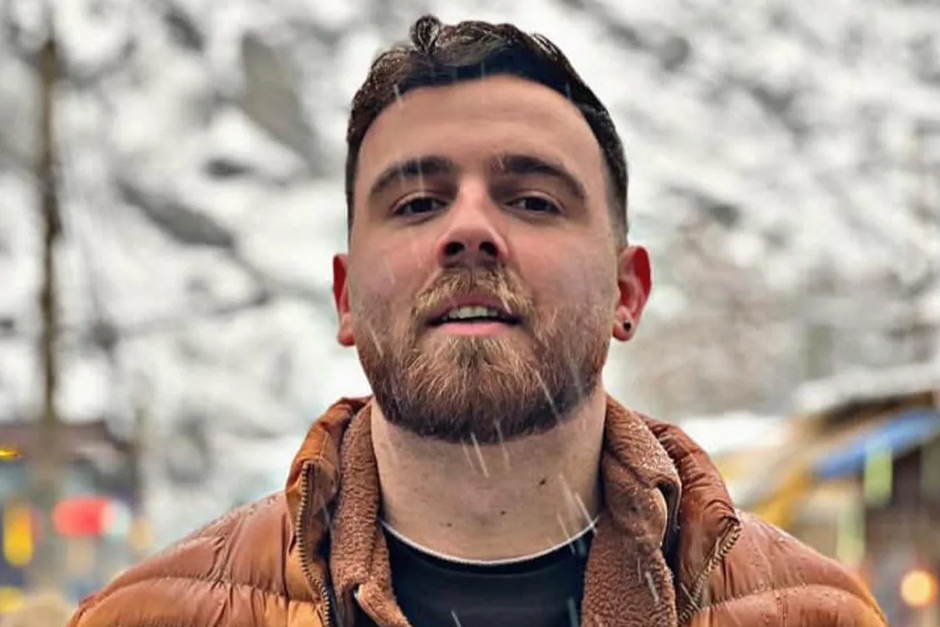
The grim headlines emerging from Iran continue to resonate across the globe, painting a stark picture of a nation gripped by dissent and a state responding with severe repression. At the heart of this unfolding tragedy is Erfan Soltani, a young protester now reportedly facing an execution order. His story is not just one of personal despair, but a poignant reflection of Iran’s wider human rights crisis, particularly in the wake of the “Woman, Life, Freedom” movement. For an Indian audience, accustomed to the robust principles of democracy and justice, Soltani’s plight serves as a potent reminder of the fragility of freedoms and the universal cry for human dignity that transcends borders.
Who is Erfan Soltani? A Glimpse into his Life
Information about Erfan Soltani, like many other protesters detained in Iran, remains tragically limited due to the state’s opaque judicial system and severe restrictions on reporting. What is known, however, paints a picture of a young man caught in the sweeping crackdown that followed nationwide protests. Soltani was reportedly arrested amidst the significant unrest that erupted in Iran after the death of Mahsa Amini in September 2022. He stands accused of grave charges such as “enmity against God” (moharebeh) or “corruption on Earth” (efsad-e fel-arz) – vague yet severe accusations frequently leveraged by the Iranian judiciary against political dissidents and protesters.
These charges carry the death penalty and are often based on forced confessions extracted under duress, without access to fair legal representation. Human rights organisations consistently highlight that trials for such charges in Iran are often summary, lacking transparency and international legal standards. Erfan Soltani’s case is thus emblematic of hundreds of others, where young lives hang precariously based on judicial proceedings widely condemned as unfair. For a country like India, where constitutional rights, due process, and judicial independence are cornerstones of democracy, the absence of these fundamental safeguards in Soltani’s case underscores a profound disregard for human dignity and legal fairness.
The Protests, the Crackdown, and Global Outcry
Erfan Soltani’s predicament is inextricably linked to the seismic protests that rocked Iran for months. Sparked by the death of Mahsa Amini, a 22-year-old Kurdish woman who died in the custody of the morality police, the “Woman, Life, Freedom” movement saw millions take to the streets, demanding an end to mandatory hijab laws, greater freedoms, and fundamental human rights. It represented one of the most significant challenges to the Iranian clerical establishment in decades.
The Iranian state’s response has been brutal and uncompromising. Security forces have used lethal force against protesters, resulting in hundreds of deaths, and thousands more have been arrested. The judicial system has been weaponised to crush dissent, with dozens of individuals sentenced to death on charges related to their participation in the protests. Several executions have already been carried out, sending a chilling message to anyone considering further defiance.
The international community has largely condemned these actions. Global leaders, human rights bodies, and activist groups have repeatedly called for a halt to the executions and urged Iran to respect fundamental human rights, including the right to peaceful protest and a fair trial. A leading human rights organisation stated, “The systematic use of the death penalty against protesters after grossly unfair trials, often based on torture-tainted confessions, is a blatant violation of international law. The world must not remain silent as young lives are extinguished for demanding basic freedoms.” This outcry reflects a universal concern for justice, a sentiment deeply understood in India, a nation that cherishes pluralism and democratic discourse.
What Lies Ahead for Erfan Soltani?
The immediate future for Erfan Soltani remains shrouded in terrifying uncertainty. With an execution order reportedly issued or imminent, time is of the essence. While legal appeals mechanisms exist in Iran, particularly for death sentences, they are often seen as formalities, frequently disregarded or fast-tracked, especially in politically sensitive cases. The Iranian Supreme Court has often upheld such verdicts despite widespread international condemnation and evidence of judicial irregularities.
The grim reality is that Soltani’s life, like that of many others similarly condemned, hangs by a thread, contingent on either an unlikely act of clemency from the highest echelons of power or overwhelming international pressure. The executions are perceived by many as a calculated strategy by the Iranian regime to instill fear and prevent any resurgence of widespread protests, effectively using capital punishment as a tool of political suppression. For observers in India, these events serve as a potent reminder of the fragility of rights when state power is unchecked and accountability is absent, underscoring the vital role global vigilance plays in protecting human lives and fundamental freedoms.
Erfan Soltani is more than just a name; he represents the countless young Iranians who dared to dream of a more just and free society, only to be met with severe repression. His looming execution is a stark indicator of the desperate measures employed to silence dissent in Iran, turning legal processes into instruments of fear. As the global community continues its appeals for clemency and justice, the story of Erfan Soltani serves as a powerful testament to the enduring human spirit that seeks freedom, even in the face of overwhelming odds. For the world, and especially for nations like India that uphold democratic values, remaining informed and vocal about such human rights violations is not just an act of solidarity, but a reaffirmation of our collective commitment to justice and the sanctity of every human life.

