


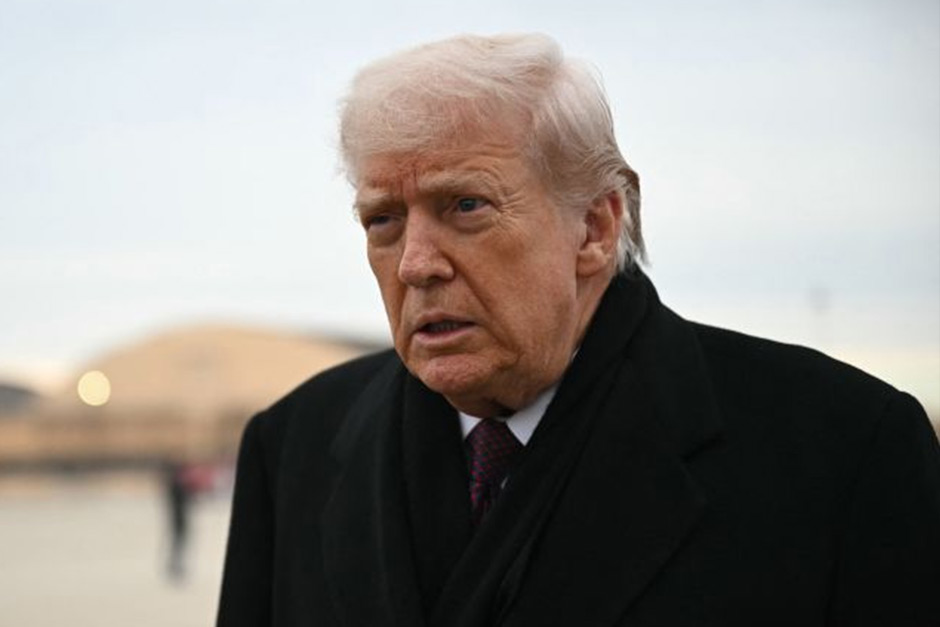
When a new administration takes the helm, particularly one with a distinctive approach to foreign policy, the international community often begins to speculate about shifts in global priorities. A potential return to a past presidential style ignites conversations across capitals worldwide, wondering which nations might find themselves at the forefront of diplomatic attention, whether through engagement, negotiation, or re-evaluation of existing relationships.
Economic Relationships and Trade Rebalancing
One area that has historically drawn significant focus is international trade and economic relationships. A key theme has been the desire to renegotiate what are perceived as unfavorable trade agreements and to address trade imbalances. Countries with substantial trade surpluses with the United States, or those whose trade practices have been deemed unfair, could anticipate renewed scrutiny.
China often stands out in this context, given past actions involving tariffs and extensive trade negotiations aimed at restructuring the economic relationship between the two global powers. The pursuit of reshoring manufacturing and reducing reliance on foreign supply chains could translate into continued pressure on Beijing regarding intellectual property, market access, and state subsidies. Beyond China, other major trading partners in Europe and Asia might also face calls for adjustments in trade terms, particularly concerning sectors like agriculture or specific industrial goods, driven by a philosophy that prioritizes domestic industries and jobs.
Alliances and Burden Sharing
Another significant aspect of past foreign policy has been a transactional view of international alliances. This approach often questions the reciprocity and equitable distribution of defense burdens, potentially leading to demands for allies to increase their contributions to collective security. This perspective could lead to fresh evaluations of various long-standing agreements.
The NATO alliance is a prominent example, where member nations have previously faced calls to meet or exceed defense spending targets. Such pressure could intensify, with a renewed focus on contributions from individual members. Similarly, defense pacts with countries like South Korea and Japan might also be subject to reassessment, particularly regarding the financial aspects of hosting U.S. military forces. The underlying principle appears to be that allies must demonstrate clear and commensurate commitment to their own defense and shared security, ensuring the U.S. does not bear a disproportionate share of the costs.
Navigating Geopolitical Flashpoints
Beyond economics and alliances, specific geopolitical hot spots around the world could also draw particular attention. The approach here tends to favor direct negotiation and a willingness to challenge established diplomatic frameworks in pursuit of specific outcomes.
The Middle East remains a region of perennial interest. Policy on Iran, for instance, could see a strong emphasis on isolating its regime and preventing nuclear proliferation, potentially involving a withdrawal from or renegotiation of existing international agreements. Support for Israel has been a consistent feature, and future initiatives might seek to build on past peace efforts or further consolidate regional alliances. Further east, the ongoing conflict in Ukraine could see a different diplomatic posture, with potential pressure for a negotiated settlement and a re-evaluation of the scale and nature of U.S. aid. As one foreign policy observer noted, “A defining characteristic of this approach is often a willingness to challenge long-standing diplomatic frameworks and prioritize perceived national interests, suggesting that virtually no international relationship is off-limits for re-evaluation.”
Ultimately, a future foreign policy direction would likely be dynamic, influenced by evolving global events and a consistent focus on what is perceived as American national interest. The nations highlighted here represent areas where a past administration demonstrated a clear willingness to challenge the status quo, suggesting these relationships could once again be subject to significant shifts and intense diplomatic activity.

