


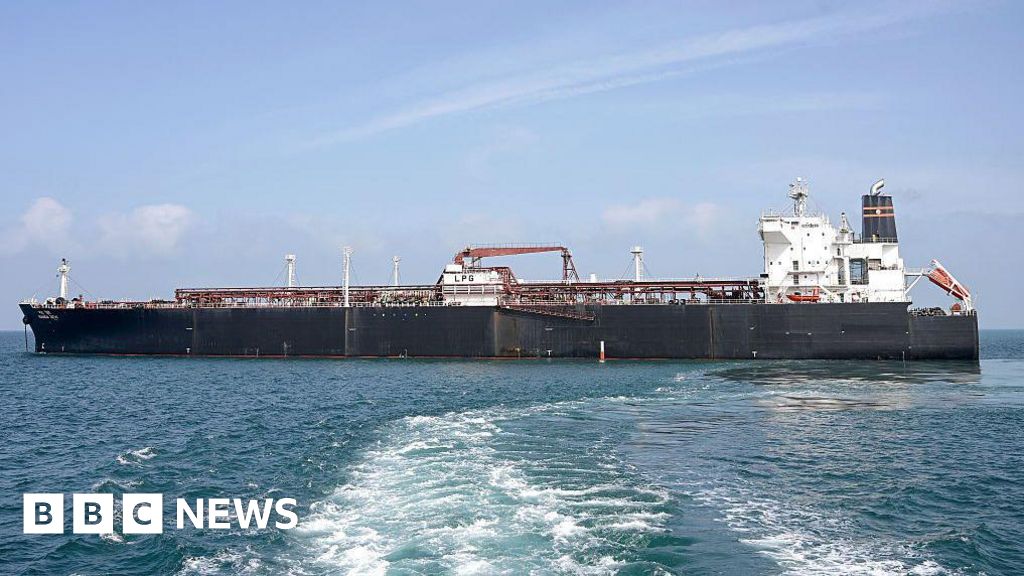
The Strait of Hormuz, a relatively narrow waterway nestled between Oman and Iran, might seem like just another dot on the world map. However, its strategic significance far outweighs its modest size. This chokepoint serves as the sole maritime passage from the Persian Gulf to the open ocean, making it an indispensable artery for global energy trade. Given that the Persian Gulf region is home to some of the world’s largest oil and natural gas producers, the Strait of Hormuz becomes a critical conduit for countries worldwide, particularly those in Asia that fuel their immense economies with resources from this region.
For many Asian nations, access to the Strait of Hormuz is not merely about trade; it’s about energy security, economic stability, and the very foundation of their industrial output and daily life. Understanding which Asian countries rely on this passage sheds light on the interconnectedness of global energy markets and the strategic importance of maritime routes.
East Asia’s Industrial Engines and the Strait
The economic powerhouses of East Asia are arguably the most heavily reliant on the Strait of Hormuz for their energy needs. These nations, with their massive manufacturing bases, dense populations, and high energy consumption, import the bulk of their crude oil and increasingly, liquefied natural gas (LNG), from the Middle East.
China: As the world’s largest crude oil importer, China’s reliance on the Middle East is profound. A significant portion of its oil imports, vital for its industrial expansion, transportation, and growing consumer market, transits directly through the Strait of Hormuz. Its diversified energy strategy still sees the Persian Gulf as a primary source.
Japan: A nation with limited domestic energy resources, Japan is acutely dependent on imported oil and gas. The vast majority of its crude oil, and a substantial share of its LNG, comes from the Middle East, making the Strait of Hormuz an absolutely critical lifeline for its economy, from powering factories to heating homes.
South Korea: Similar to Japan, South Korea’s advanced industrial economy—known for its electronics, automobiles, and shipbuilding—demands a constant and reliable flow of energy. Middle Eastern oil and gas arriving via the Strait of Hormuz are fundamental to sustaining its economic engine.
These countries have invested heavily in robust shipping infrastructure and maintain substantial strategic reserves, yet the fundamental dependency on this single chokepoint remains. “For many East Asian economies,” noted one trade analyst, “the Strait of Hormuz isn’t just a shipping lane; it’s the very jugular of their industrial heartland, supplying the lifeblood of crude oil and natural gas. Any disruption there sends immediate ripples through their markets.“
South and Southeast Asia’s Critical Connections
Beyond East Asia, a significant number of South and Southeast Asian nations also critically depend on the seamless transit of energy through the Strait of Hormuz to power their growth and meet their societal needs.
India: As the world’s third-largest oil consumer, India sources a substantial percentage of its crude oil requirements from the Middle East. Tankers carrying this vital commodity must pass through the Strait of Hormuz before heading across the Arabian Sea to India’s bustling ports. The strait is therefore indispensable for India’s burgeoning economy, transportation sector, and energy security.
Pakistan: Sharing a border with Iran, Pakistan also relies on the Strait of Hormuz for its imported energy resources from the Gulf, fueling its industries and meeting domestic demand.
Southeast Asian Nations: While some Southeast Asian countries are energy producers themselves, many others, or even the producers, still import significant quantities of crude oil and LNG. Countries like Singapore (a major refining and petrochemical hub), Thailand, Vietnam, and the Philippines either directly import energy from the Middle East or indirectly receive refined products that originated from crude oil transiting the Strait. Singapore, in particular, functions as a critical re-export and bunkering hub for vessels that have passed through Hormuz.
The collective reliance of these diverse Asian economies underscores the Strait’s unparalleled global strategic importance. From the bustling ports of Shanghai to the refineries of Jamnagar, the energy lifelines of a vast continent converge on this narrow strip of water.
Conclusion
The Strait of Hormuz stands as an undeniable lynchpin in the global energy supply chain, with its importance resonating most strongly across the Asian continent. Major economies from East Asia’s industrial giants like China, Japan, and South Korea, to the rapidly developing nations of India, Pakistan, and key Southeast Asian states, are profoundly reliant on this waterway for their crucial oil and gas imports. It is more than just a transit point; it is a strategic economic artery that underpins the stability and growth of a significant portion of the global population and economy. The continuous, unimpeded flow of energy through the Strait of Hormuz is thus not merely a regional concern but a matter of international economic stability and energy security.

