


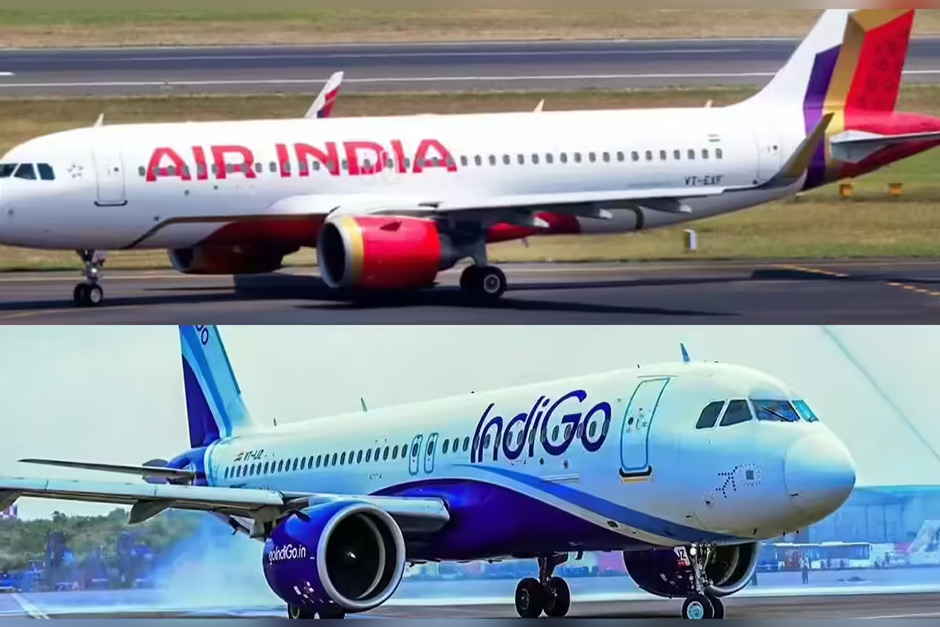
The skies over India are buzzing, not just with increased air traffic, but with an intense, behind-the-scenes battle for a crucial resource: experienced airline pilots. As India’s aviation sector witnesses unprecedented growth and stricter regulatory oversight, a fierce “dogfight” has erupted between two giants, Air India (AI) and IndiGo, over seasoned captains. The stakes are high, with joining bonuses reportedly soaring up to an eye-watering Rs 50 lakh, as both airlines grapple with an urgent need to staff their expanding fleets and comply with stringent new Flight Duty Time Limitations (FDTL) regulations.
The Intensifying Pilot Scramble
India’s aviation landscape is undergoing a massive transformation. With a booming domestic travel market and ambitious expansion plans from carriers like Air India – revitalised under the Tata Group – and IndiGo, which recently placed a historic order for 500 Airbus aircraft, the demand for skilled pilots has skyrocketed. This surge in demand is compounded by several factors, primarily the revised FDTL norms by the Directorate General of Civil Aviation (DGCA) set to become fully effective from June 1st. These stricter rules, aimed at enhancing aviation safety by curbing pilot fatigue, mandate longer rest periods and reduced flight hours, effectively increasing the number of pilots required per aircraft.
In this high-stakes environment, poaching pilots has become a common strategy. Air India, including its subsidiaries like Vistara and AIX Connect (formerly AirAsia India), is aggressively recruiting to support its massive fleet overhaul and expansion. IndiGo, on the other hand, is battling to retain its workforce while also needing to grow its pilot pool to manage its burgeoning operations. The result is a competitive scramble where attractive packages, accelerated command upgrades for first officers, and improved roster patterns are being used as powerful lures. The reported joining bonus of up to Rs 50 lakh for experienced captains underscores the desperation and the premium placed on their expertise.
FDTL Fallout and Operational Strain
The DGCA’s updated FDTL regulations are a critical pivot point in this pilot shortage crisis. Designed to align Indian aviation with global best practices in safety, the new rules significantly impact how airlines schedule their crew. For instance, the maximum flight time for pilots at night has been reduced, and mandatory weekly rest periods have been extended. While universally welcomed for improving safety, these changes mean that airlines require a larger reserve of pilots to operate the same number of flights without breaching compliance. This regulatory shift has suddenly amplified the existing supply-demand gap, forcing airlines into immediate action.
The operational strain on airlines and existing pilots is palpable. Airlines face the challenge of cancelling or delaying flights if they don’t have enough rested crew, directly impacting passenger experience and profitability. For pilots, while the FDTL changes bring better rest, the underlying shortage can still lead to demanding schedules until the numbers balance out. “The FDTL changes, while necessary for safety, have exposed a systemic vulnerability in our pilot supply chain,” explains Dr. Rohan Mehta, a senior aviation analyst based in Mumbai. “Airlines are now in a frantic race against time, not just to expand, but to simply maintain their current operational footprint under the new norms.”
The Long-Term Challenge: Sustaining Pilot Supply
While the immediate battle for pilots is driven by FDTL and expansion, the challenge extends far beyond short-term recruitment drives. Training a commercial pilot to reach the rank of captain is a rigorous and lengthy process, typically spanning 7 to 10 years, including extensive flight hours and command experience. India’s current training infrastructure, though expanding, struggles to keep pace with the exponential growth trajectory of its aviation sector. Many aspiring pilots still look to foreign flight schools due to limited domestic capacity or higher quality perceptions, further delaying their entry into the Indian workforce.
Cadet pilot programs, offered by various airlines in conjunction with training academies, are a crucial long-term strategy. However, these programs require significant investment and time to yield results. Without a sustained increase in indigenous training capacity and a robust pipeline of new talent, the “where do we get captains from?” question will continue to haunt Indian airlines. The ongoing pilot scarcity could potentially lead to higher operational costs, which might eventually translate into increased airfares or reduced flight frequency for consumers, unless a sustainable solution for talent generation is found.
The current dogfight between Air India and IndiGo for pilots, characterised by lavish joining bonuses and aggressive recruitment, highlights a critical juncture for Indian aviation. While a testament to the sector’s growth, it also underscores the urgent need for a strategic, long-term approach to pilot training and retention to ensure the industry’s continued upward trajectory remains safe and sustainable.

