


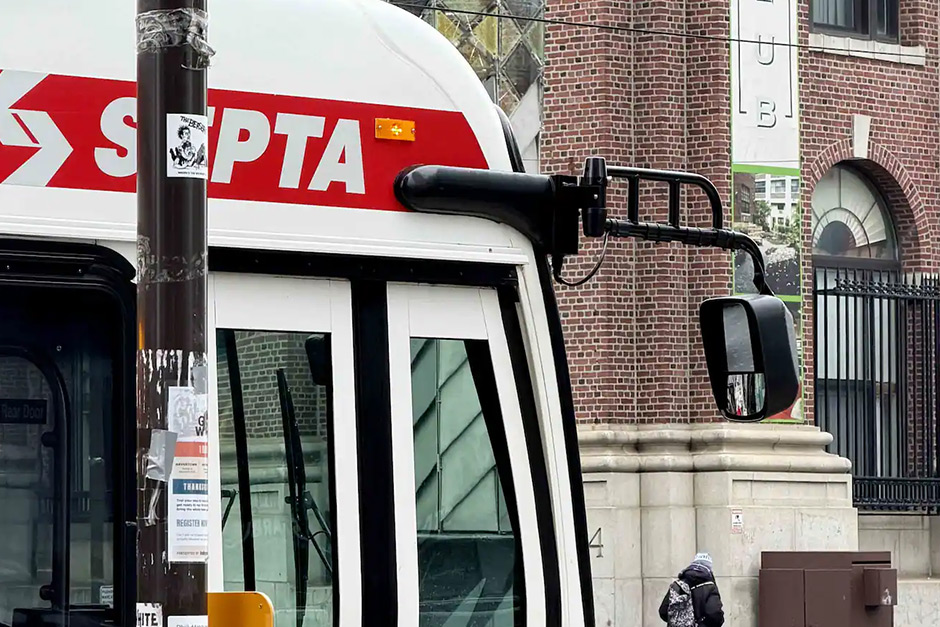
Imagine the scene: you’re standing at a bus stop, smartphone tucked away, scanning the horizon for a bus that may or may not be coming. There’s no digital display, no route map, just a pole and a whole lot of guesswork. This was the frustrating reality for countless commuters in Philadelphia, where many bus stops lacked essential real-time tracking information. But then, an anonymous hero, or perhaps a collective, decided enough was enough. Enter the legend known only as “Bus Stop Banksy.”
The Invisible Bus and the Waiting Game
For a modern city with a sprawling public transit system, the absence of basic passenger information at numerous bus stops was a glaring oversight. While apps offered real-time tracking, they assumed universal smartphone ownership and data access, leaving many riders, particularly those from lower-income brackets or older generations, in the dark. The experience of waiting became a test of patience, often tinged with anxiety. Did I miss it? Is it late? Should I just give up and walk? These were daily dilemmas for thousands of Philadelphians relying on Southeastern Pennsylvania Transportation Authority (SEPTA) services.
The lack of physical signage wasn’t just an inconvenience; it was a barrier to accessibility and efficiency. It disproportionately affected vulnerable communities and created an atmosphere of uncertainty, eroding trust in the very system designed to connect people. This silent struggle highlighted a gap between technological possibility and ground-level implementation, leaving a palpable void in the urban transit experience.
“Bus Stop Banksy” Steps Up to the Curb
This is where the story takes a turn for the refreshingly resourceful. An individual, or perhaps a small group, began to meticulously craft and install their own informational signs at these underserved bus stops. These weren’t crude, haphazard scribbles. They were thoughtfully designed, often weatherproof, and crucially, they provided what official channels had not: QR codes that linked directly to real-time bus tracking, clear route numbers, and sometimes even concise maps. The moniker “Bus Stop Banksy” quickly stuck, evoking the spirit of anonymous, subversive art that serves a public good.
The impact was immediate and overwhelmingly positive. Riders found relief and gratitude in these unofficial additions. “It was like someone finally heard our silent screams of frustration,” remarked one regular commuter. “Suddenly, you weren’t just guessing anymore. It made a world of difference.” This grassroots initiative didn’t just provide information; it restored a sense of dignity and control to the commuting experience. It was a potent display of civic hacking, where citizens took matters into their own hands to improve their immediate urban environment.
Beyond the QR Code: A Blueprint for Engagement
The phenomenon of “Bus Stop Banksy” is more than just a tale of clever DIY signage; it’s a powerful commentary on urban planning, civic responsibility, and the potential of grassroots action. It highlights how vital basic information is for a functioning public service and how frustratingly slow official channels can sometimes be in addressing fundamental user needs. The anonymous efforts served as both a practical solution and a symbolic critique, gently but firmly nudging the official transit authority towards action.
While unauthorized installations raise questions about public space and official protocols, the overwhelming public support for these signs underscored a critical need that was going unmet. It sparked conversations about the responsiveness of city services and the power of individuals to catalyze change. The “Bus Stop Banksy” phenomenon serves as a compelling reminder that innovation often springs from necessity, and sometimes, the most effective solutions come from the very communities experiencing the problem firsthand.
In the end, “Bus Stop Banksy” wasn’t just about signs; it was about empowerment, about filling a void, and about demonstrating the profound impact a dedicated, anonymous effort can have on the daily lives of thousands. It’s a testament to the ingenuity that emerges when a community’s needs meet a spirit of proactive problem-solving.

