


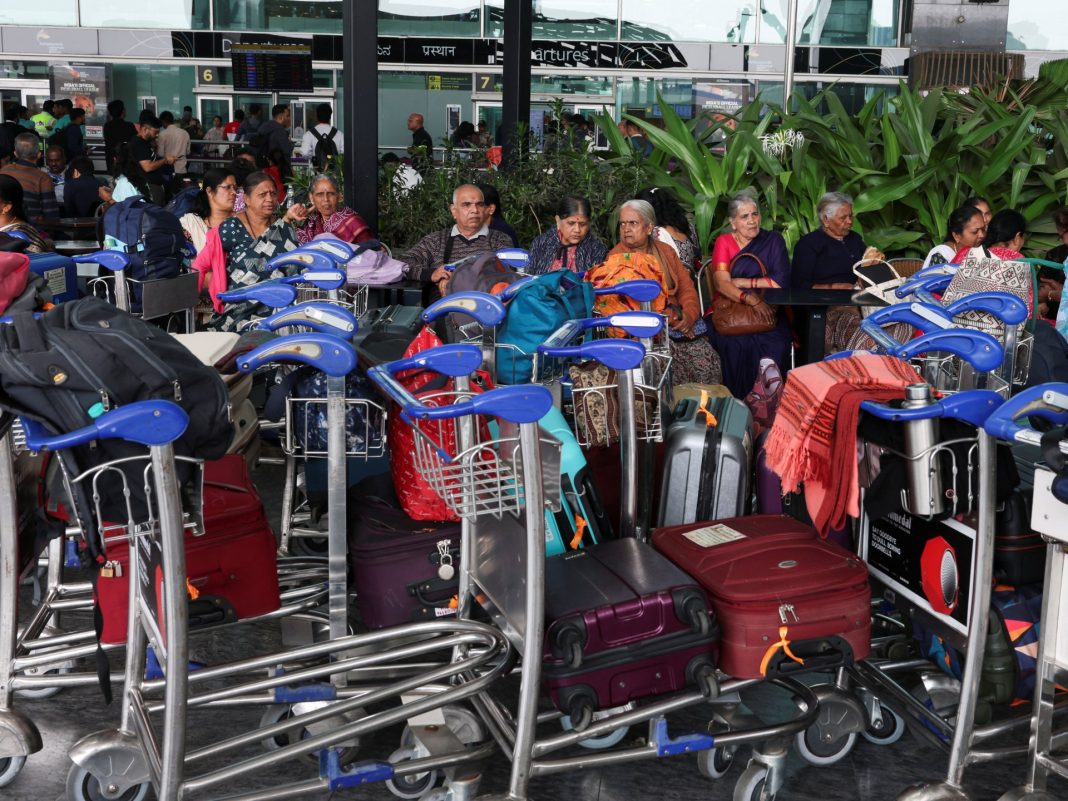
India’s skies have been bustling, but recently, one of its largest carriers, IndiGo, has been making headlines for a less desirable reason: a wave of flight cancellations. For an airline that ferries millions of passengers annually and commands a significant share of the domestic market, such disruptions inevitably raise questions. Why is India’s biggest airline, known for its punctuality and vast network, suddenly grounding so many flights?
Understanding the Engine Troubles at the Core
The primary reason behind IndiGo’s recent operational snags traces back to a persistent and complex issue affecting a crucial component of its fleet: the Pratt & Whitney (P&W) engines powering many of its Airbus A320neo aircraft. These engines have, for some time, presented technical challenges, requiring frequent inspections and, in many cases, premature removal and replacement of parts.
Specifically, certain components within the engine, such as the low-pressure turbine (LPT) and high-pressure compressor (HPC) blades, have shown susceptibility to wear and tear faster than anticipated. This necessitates regular checks and, often, the grounding of aircraft for maintenance or engine swaps. Given that IndiGo operates one of the world’s largest A320neo fleets, its exposure to these issues is significantly higher. Each grounded aircraft represents a significant reduction in capacity, leading directly to flight cancellations as the airline struggles to cover its vast schedule with fewer operational planes.
The Global Supply Chain Bottleneck and Maintenance Crunch
While the engine’s inherent design challenges are a significant factor, the problem is compounded by broader industry issues. When engines need servicing or replacement parts, they enter a global supply chain that is currently under immense strain. Post-pandemic, the aviation maintenance, repair, and overhaul (MRO) industry, along with aerospace manufacturing, has faced severe labor shortages and material delays. This means getting a new engine or waiting for a faulty one to be repaired can take months, not weeks.
“This isn’t just an IndiGo problem; it’s a systemic challenge impacting several airlines globally reliant on these engine types,” noted an aviation analyst familiar with the situation. “The backlog for parts and MRO slots is immense, turning what might have been a minor hiccup into a prolonged operational headache for carriers.”
This extended turnaround time for engines and spare parts creates a cascading effect. With a certain percentage of its fleet perpetually out of commission or awaiting maintenance, IndiGo is left with a reduced pool of aircraft. To manage this reduced capacity, the airline has had to make difficult decisions, including proactively canceling flights on certain routes to minimize last-minute disruptions and ensure the reliability of its remaining schedule. This strategic rationalization, while aimed at improving overall operational stability, still results in a considerable number of cancellations.
Navigating the Disruption and Looking Ahead
The situation presents a substantial operational puzzle for IndiGo. It’s not simply a matter of fixing one engine; it’s about managing a continuous cycle of inspections, repairs, and part replacements within a constrained global supply environment. The airline has been working to mitigate the impact, including leasing additional aircraft and adjusting its flight schedules to factor in the reduced availability of its Neo fleet. However, these measures can only partially offset the scale of the challenge.
For passengers, the cancellations translate into inconvenience, altered travel plans, and the occasional need for rebooking. While airlines strive to inform passengers well in advance and offer alternative arrangements, any disruption to travel schedules is understandably frustrating. The ongoing situation highlights the complex interplay between advanced aerospace technology, global supply chain resilience, and the operational realities of running a large-scale airline.
Ultimately, IndiGo’s current wave of cancellations is a symptom of deeply intertwined technical and logistical challenges. It underscores the critical need for robust supply chains and reliable engine performance in the fast-paced and high-volume world of Indian aviation. While efforts are underway to address these issues, a complete resolution will likely take time as the industry works through its current global bottlenecks.

