


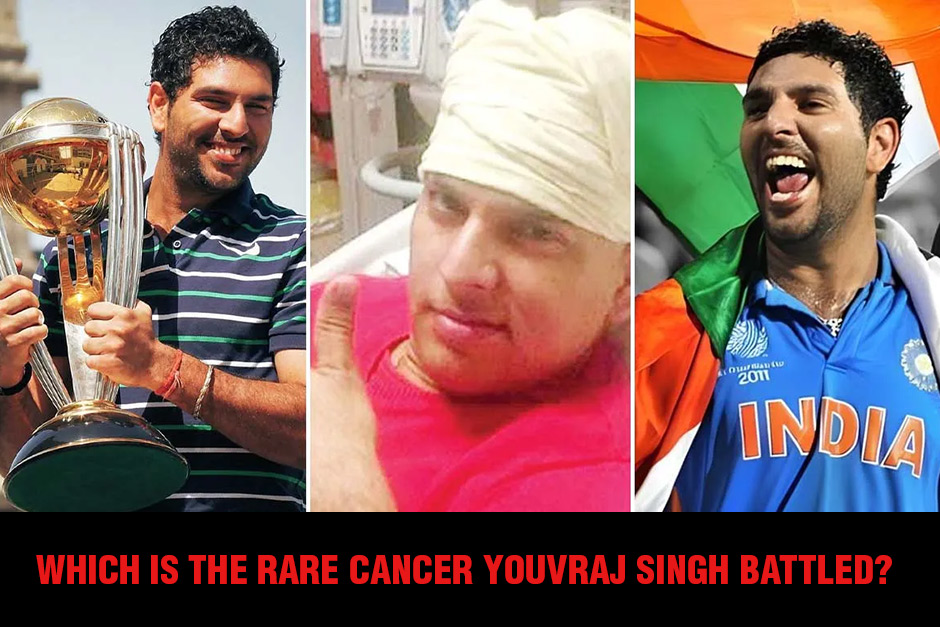
The year 2011 was momentous for Indian cricket, with the nation celebrating a historic World Cup victory. Amidst the euphoria, one of its brightest stars, Yuvraj Singh, was silently battling a formidable opponent far more challenging than any bowler or field. His subsequent revelation of being diagnosed with a rare form of cancer, Mediastinal Seminoma, sent shockwaves across the country, bringing an often-overlooked medical condition into the national conversation. Yuvraj’s journey from diagnosis to triumphant return became a beacon of hope and resilience, but it also prompted a crucial question: What exactly is Mediastinal Seminoma?
Understanding the Mediastinum and Seminoma
To grasp what Mediastinal Seminoma entails, we must first understand its constituent parts. The mediastinum is a crucial anatomical space located in the chest, nestled between the two lungs. It houses vital organs such as the heart, great blood vessels, trachea (windpipe), esophagus, thymus gland, and lymph nodes. Given its central location, any mass or growth here can significantly impact various bodily functions.
A seminoma, on the other hand, is a specific type of germ cell tumour. Germ cells are the reproductive cells in the body – sperm in males and eggs in females. Seminomas typically originate in the testes in males and, less commonly, in the ovaries in females. However, in rare instances, germ cell tumours can develop outside the gonads, in what are known as “extracardiac” or “extrapulmonary” sites. The mediastinum is one such site, making mediastinal seminoma an extragonadal germ cell tumour.
The genesis of these extragonadal tumours is attributed to the abnormal migration of embryonic germ cells during fetal development. Instead of settling in their intended gonadal locations, some of these cells might aberrantly lodge in areas like the mediastinum. Years later, these misplaced cells can undergo malignant transformation, leading to the development of a seminoma in an atypical location, making it a rare and complex diagnosis.
Symptoms, Diagnosis, and Treatment Pathways
Due to its location within the crowded mediastinum, symptoms of mediastinal seminoma often arise from the tumour pressing on surrounding structures. These can include a persistent cough, shortness of breath (dyspnea), chest pain, or even superior vena cava (SVC) syndrome, where compression of the large vein causes swelling in the face, neck, and arms. Other non-specific symptoms like unexplained weight loss, fatigue, and fever can also be present, often leading to delayed diagnosis due to their vague nature.
Diagnosing mediastinal seminoma typically involves a combination of imaging techniques and pathological confirmation. Initial investigations often include a chest X-ray, followed by more detailed scans like CT (Computed Tomography) or MRI (Magnetic Resonance Imaging) of the chest. These imaging studies help delineate the size and extent of the tumour. Crucially, a biopsy – taking a tissue sample for microscopic examination – is essential for a definitive diagnosis and to differentiate it from other mediastinal masses. Blood tests for tumour markers such as human chorionic gonadotropin (hCG) and lactate dehydrogenase (LDH) are also vital, as they are often elevated in seminomas, helping guide diagnosis and monitor treatment response, while alpha-fetoprotein (AFP) is typically normal in pure seminomas.
Fortunately, mediastinal seminoma is generally a highly treatable and often curable cancer, even in advanced stages. The primary mode of treatment is chemotherapy, which uses powerful drugs to kill cancer cells. Regimens involving cisplatin-based chemotherapy have shown remarkable efficacy. Radiation therapy may be used for residual disease after chemotherapy, or in specific circumstances. Surgery, while challenging due to the tumour’s location amidst vital organs, might be considered for biopsy or to remove residual masses that persist after chemotherapy. Yuvraj Singh famously underwent chemotherapy in the United States, showcasing the global medical advancements available for such conditions.
“The story of Yuvraj Singh brought crucial attention to rare cancers like mediastinal seminoma,” says Dr. Anjali Sharma, a leading oncologist in Mumbai. “His recovery underscores the importance of early detection and adherence to comprehensive treatment plans. Even rare cancers, when caught in time and managed by expert teams, can have excellent outcomes, giving immense hope to patients and their families across India.”
Raising Awareness in the Indian Context
Mediastinal seminoma accounts for less than 1% of all cancers and is a small fraction of all germ cell tumours, making it inherently rare. Yuvraj Singh’s battle, however, served as a powerful catalyst for cancer awareness in India. Before his public disclosure, many Indians, including those in medical professions outside oncology, might have been unfamiliar with this specific cancer. His journey demystified the disease, illustrating that cancer is not a death sentence and that even celebrated athletes can be vulnerable, yet resilient.
The widespread media coverage of his diagnosis and successful treatment helped destigmatize cancer, encouraging more individuals to seek medical advice for persistent symptoms without fear or hesitation. It highlighted the critical need for a vigilant approach to health, emphasizing that unusual or persistent symptoms should always be investigated by a medical professional. In a country like India, where healthcare access and awareness can vary significantly, such high-profile cases play an invaluable role in educating the public and fostering a proactive approach to health.
Yuvraj Singh’s victory over Mediastinal Seminoma is more than just a personal triumph; it’s a testament to medical science and the power of the human spirit. It amplified a vital message: rare cancers exist, they can be debilitating, but with timely diagnosis and appropriate treatment, a full recovery is often possible. His legacy continues to inspire millions, reminding us all of the importance of awareness, resilience, and hope in the face of adversity.

