


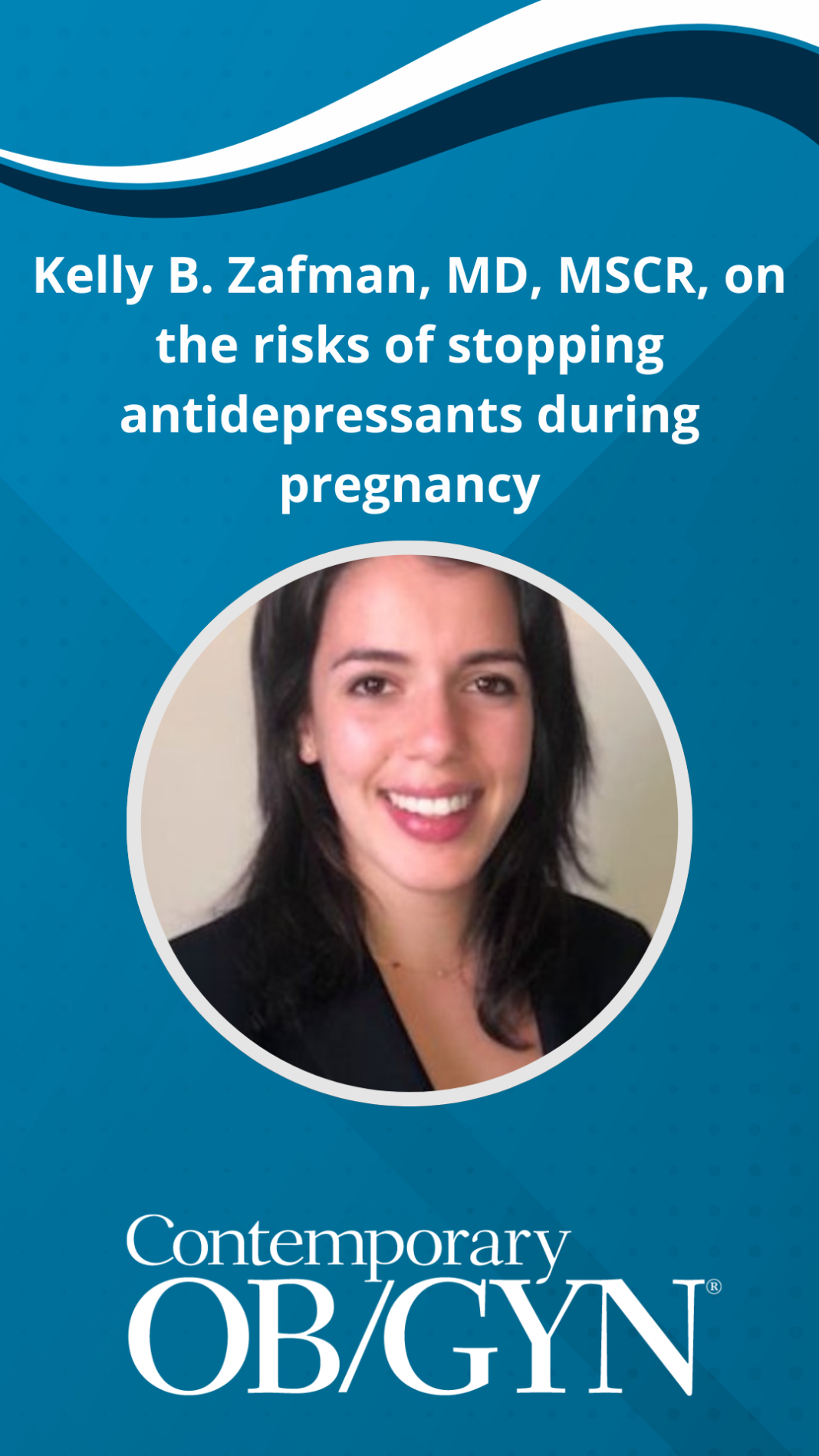
Pregnancy is often painted as a time of unbridled joy and glowing health. While it absolutely can be, it’s also a period of immense physiological and emotional flux, where pre-existing conditions don’t magically disappear. For the millions of women managing depression or anxiety with antidepressants, pregnancy introduces a profound dilemma: should I stop my medication for the baby’s sake? It’s a question loaded with fear, love, and sometimes, misinformation. Dr. Kelly Zafman, a leading voice in perinatal mental health, offers a crucial perspective that challenges conventional, often unhelpful, advice and emphasizes the profound risks of going off antidepressants during pregnancy.
The Unseen Costs of Untreated Depression in Pregnancy
The instinct to protect your unborn child is powerful, leading many expecting mothers to believe that abstaining from all medication is the safest route. However, Dr. Zafman highlights a critical, often overlooked truth: untreated maternal depression and anxiety carry significant risks that can sometimes outweigh those associated with continuing medication. It’s not just about the mother feeling unhappy; it’s about a serious medical condition impacting both her and the developing fetus.
When a mother’s mental health deteriorates, the ripple effects can be substantial. Untreated depression during pregnancy is linked to higher rates of preterm birth, low birth weight, and even preeclampsia. Beyond the physical, there’s the emotional toll: diminished self-care, difficulty maintaining healthy habits, a reduced ability to bond with the baby after birth, and an increased risk of postpartum depression. Dr. Zafman points out that the stress hormones associated with maternal depression can cross the placenta, potentially impacting the baby’s long-term development. “The greatest risk to a developing baby is an unwell mother,” she often emphasizes. “Prioritizing maternal mental health isn’t selfish; it’s foundational to the well-being of the entire family.“
Navigating Medication Decisions: A Nuanced Conversation
The decision to continue or stop antidepressants should never be made in isolation or based on internet speculation. Dr. Zafman advocates for a comprehensive, individualized discussion with a healthcare team that includes an OBGYN, a psychiatrist specializing in perinatal care, and potentially a therapist. This collaborative approach allows for a careful weighing of the known risks of specific medications against the very real and often greater risks of a depressive relapse.
For many common antidepressants, the absolute risk to the baby is remarkably low. Yet, the fear persists, leading some women to discontinue their medication abruptly, often without medical supervision. This can result in severe withdrawal symptoms and a rapid return of depressive episodes, putting both mother and baby in a more precarious position. Dr. Zafman refers to this as creating a “worst of both worlds” scenario – the mother suffers, and the initial anxiety about medication exposure may still linger, compounded by newfound distress. It’s crucial to understand that simply stopping medication doesn’t erase any past exposure; it only removes the current protective effect. With proper guidance, many women can safely continue their treatment, often with adjustments, ensuring their mental stability throughout pregnancy and beyond.
The journey through pregnancy is uniquely personal, and decisions about medication are incredibly complex. Dr. Kelly Zafman’s insights offer a powerful reminder that mental health is an integral part of maternal and fetal well-being. Far from being a luxury, managing depression and anxiety during pregnancy is a critical act of self-care and a profound investment in your baby’s future. Don’t make this journey alone. Seek expert guidance, advocate for your mental health, and make informed choices that empower both you and your growing family.

